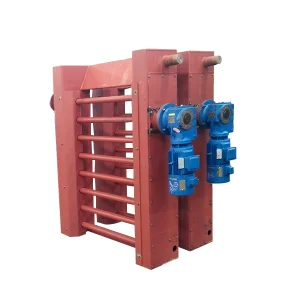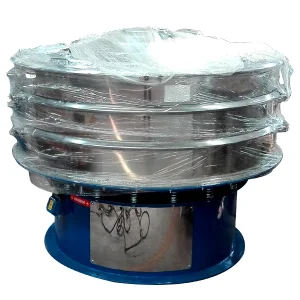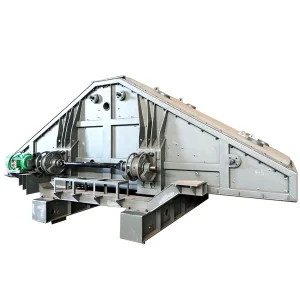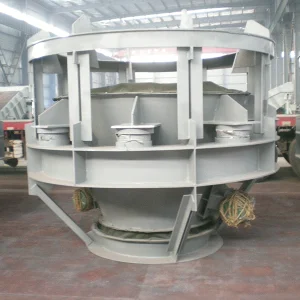
Explore our premium-grade vertical conveyors and sorting machinery custom-calibrated for Los Angeles commercial and manufacturing hubs.
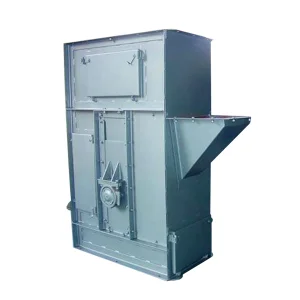
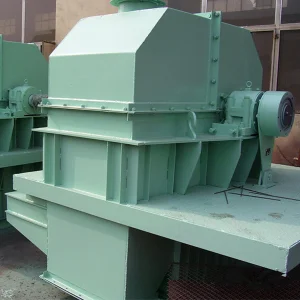
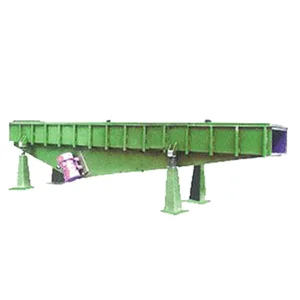
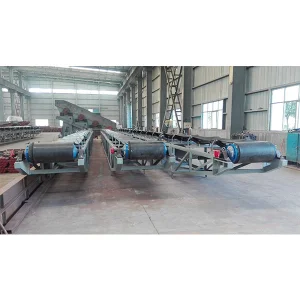
Southern California, anchored by the massive ports of Los Angeles and Long Beach, operates as the primary gateway for trans-Pacific raw commodities, agricultural goods, and heavy materials. Efficient bulk material handling is not just an operational necessity; it is a critical competitive driver for industries spanning from aggregate processing in the Inland Empire to recycling plants, food processing facilities, and chemical manufacturing depots scattered throughout the Los Angeles basin.
Within this ecosystem, vertical material transport is a persistent challenge. Traditional conveyor systems demand excessive floor space, leaving local manufacturers with reduced operational room. Modern bucket elevators solve this constraint by utilizing vertical lift profiles that maximize throughput while retaining a compact footprint, facilitating high-speed transshipment and continuous production cycles.
How the integration of IoT, advanced metallurgy, and strict environmental regulations are redefining international conveyor standards.
Global operations are incorporating real-time vibration indicators, temperature tracking on head shafts, and belt misalignment sensors to predict equipment failures before they manifest, preventing expensive unscheduled downtime.
Stricter global emissions frameworks demand airtight elevator designs. Modern continuous systems incorporate localized dust extraction hoods and negative-pressure seals to limit particulate emissions into the environment.
By using structural elements coated with specialized manganese alloy steels and polyurethane-lined discharge chutes, equipment lifespans are expanded up to 300% when managing abrasive products like iron ore or hard minerals.
A comprehensive overview comparing the design configurations used across major material handling systems.
Selecting the optimal equipment layout requires analyzing material characteristics (bulk density, abrasiveness, moisture levels, moisture sensitivity) and structural constraints. The primary mechanical paths utilize either high-strength belts or heavy-duty linkage chains, configured for centrifugal or continuous material release:
| Feature Parameter | Centrifugal Discharge Elevator | Continuous Discharge Elevator |
|---|---|---|
| Primary Transport Elements | Reinforced vulcanized rubber belt or light-duty chain linkage | Heavy-duty dual chain or high-capacity wire-reinforced belt |
| Ideal Material Types | Free-flowing, fine to medium-sized particles (grains, sand, pellets) | Abrasive, sluggish, heavy, or delicate materials (ore, lime, chemicals) |
| Discharge Velocity Range | High velocity (1.2 to 2.5 m/s) relying on centrifugal force projection | Low velocity (0.5 to 1.0 m/s) using gravity slide over previous bucket backs |
| Casing Configurations | Spaced single-column or twin-leg configurations | Closely spaced single-column steel housing structure |
| Key Structural Vulnerability | Direct physical impact degradation at high speeds on bucket lips | Chute wear at the discharge face, requiring sacrificial wear liners |
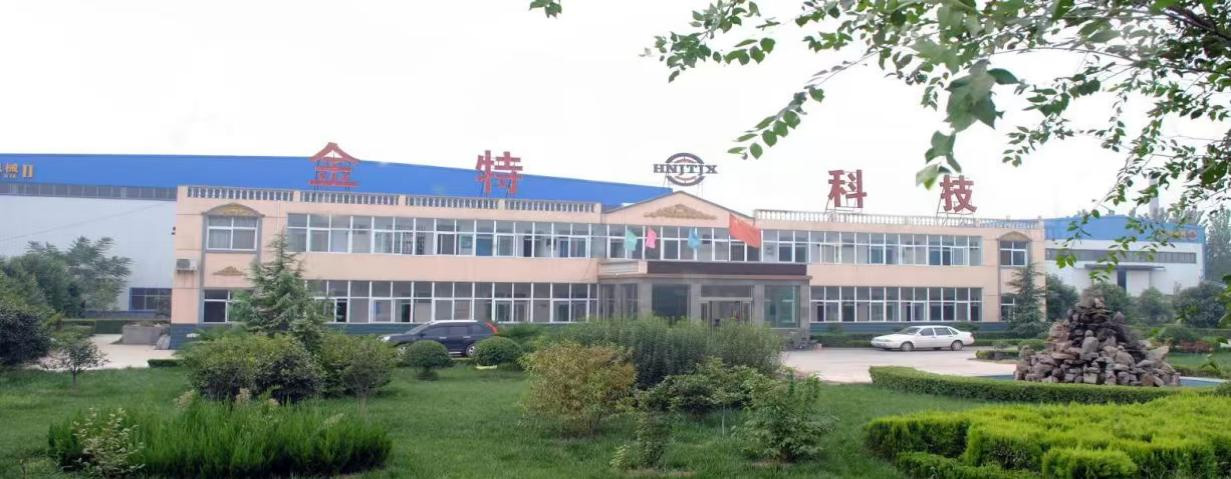
Henan Jinte Technology Co., Ltd. was officially registered and established in 2018. It has now developed into a mid-to-large-scale international enterprise specializing in the design and production of complete screening equipment, vibration equipment, and conveying products for sand and gravel production lines. The company also engages in machinery manufacturing, as well as the import and export of goods and technology.
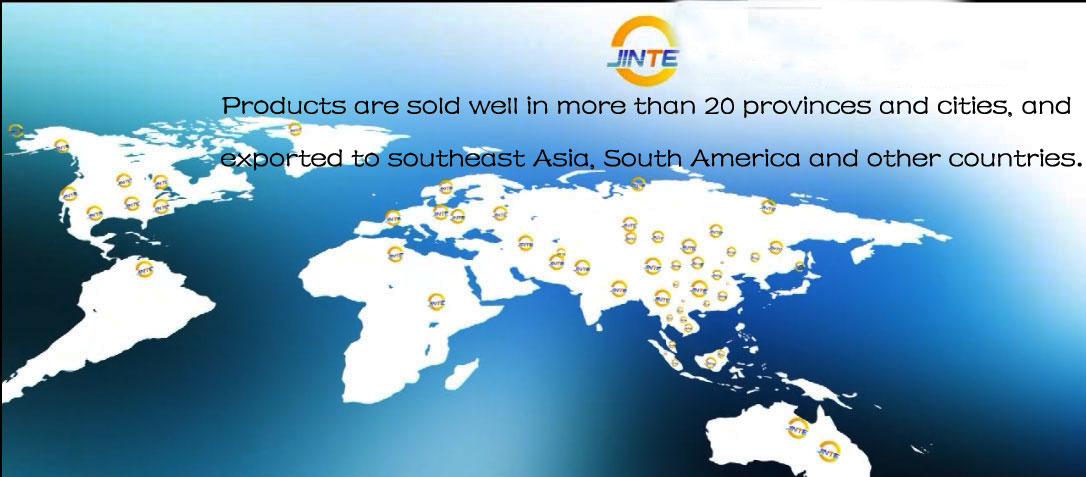
Our company's products are exported to countries such as Iran, India, Central Africa, and Asia. The design of our products emphasizes the concepts of environmental protection and energy efficiency, with current technical standards meeting international benchmarks and maintaining a leading position in the vibration machinery industry.
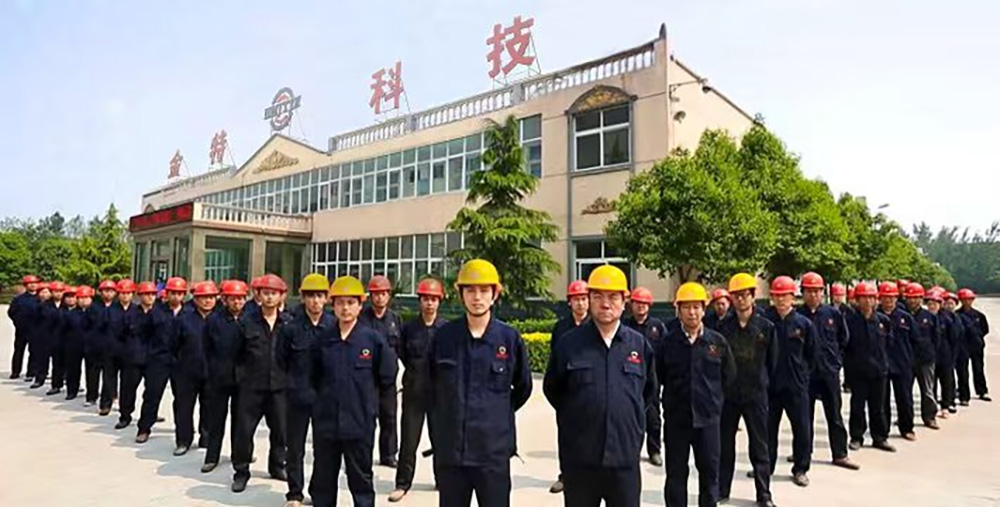
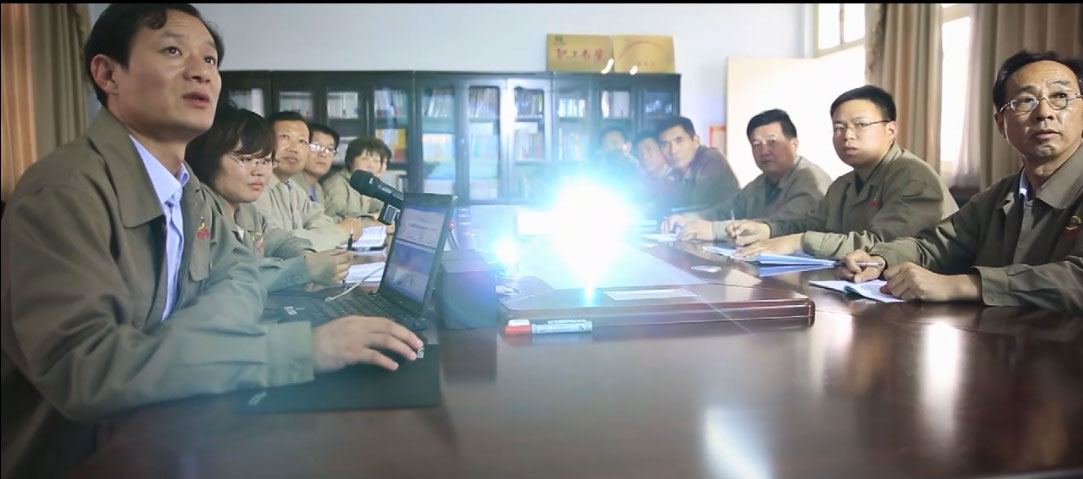
Our company has over 100 employees, including more than 45 technical and new product development teams. This heavy emphasis on engineering talent ensures that custom site specifications are carefully calculated, rather than relying on guesswork.
No matter where your company is located, we are able to establish a professional team as required. Our teams are always in high alert so your potential problems can be solved with military precision. Our staff are constantly educated, which is up to date with current market trends.
Quantifiable parameters illustrating our industrial scale and client support capabilities.
Professional Ability Rating
Customer Service Level
Transport Safety Rating
Years in Industrial Design
Providing machinery combinations configured to perform under demanding production environments.
Our company mainly produces vibrating screen and its supporting equipment and complete sets of equipment, which are widely used in metallurgy, electric power, mining, coal, sand and stone, the chemical industry, ceramics, tailing and other complete production lines.
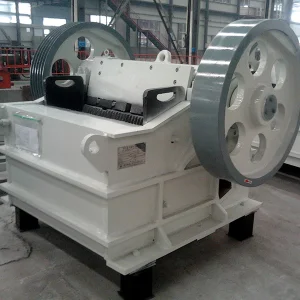
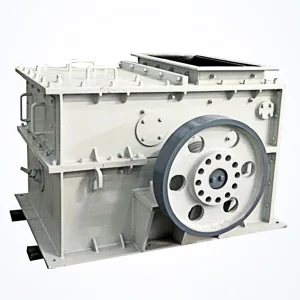
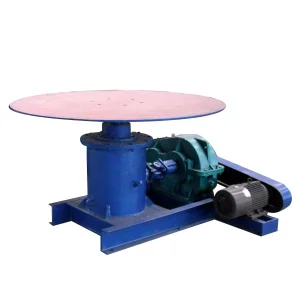
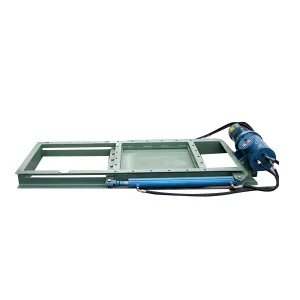
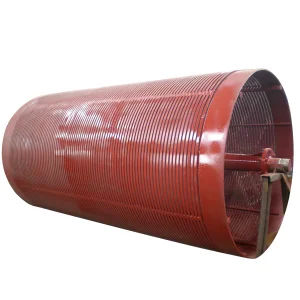
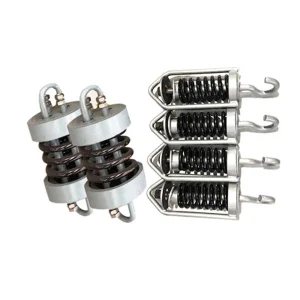
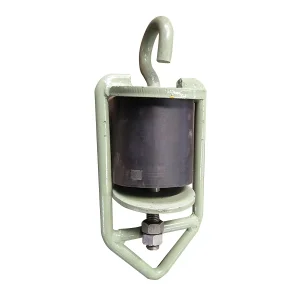
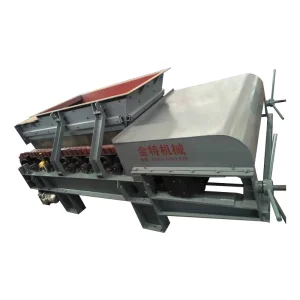
Product has more than 700 varieties of screening equipment, vibration equipment, conveying products and crusher, ect. Including sandstone complete equipment, environmentally friendly sintered vibrating screen, supporting belt conveyor, mixing machine, unit composite vibrating screen, high-efficiency heavy-duty vibrating screen, large circular vibrating screen, double-axis three-axis self-synchronizing elliptical screen, probable rod screen , feeder, vibrating feed (coal) machine, electromagnetic feeder, disc feeder, reciprocating coal feeder, vibrating conveyor, bucket elevator, vibration motor, linear self-vibration source, crusher, composite springs, etc.
As one of the basic equipment industries in China, screening machinery is mainly used in smelting sintering, the screening and grading of pellets and raw materials, sand and stone production and other systems. Through screening, the utilization efficiency of raw materials can be improved, material consumption can be reduced, and environmental pollution can be reduced. It is an industry supported and encouraged by the national industrial policy.
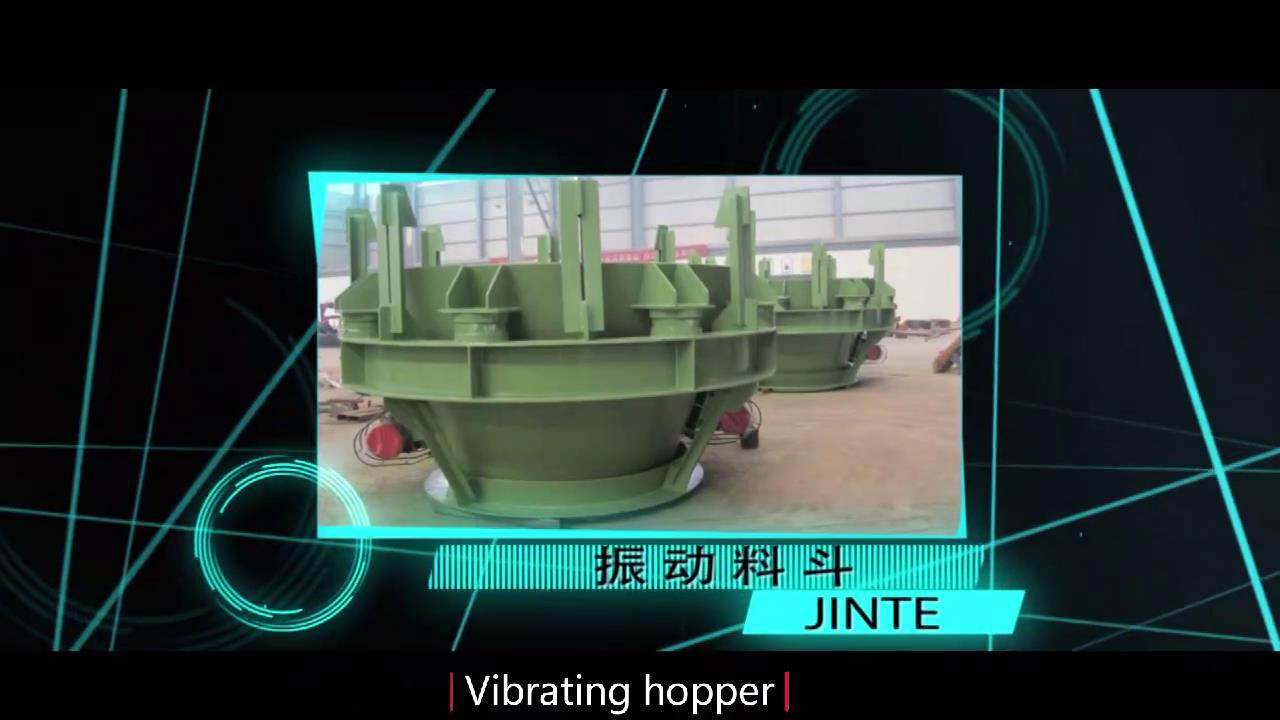
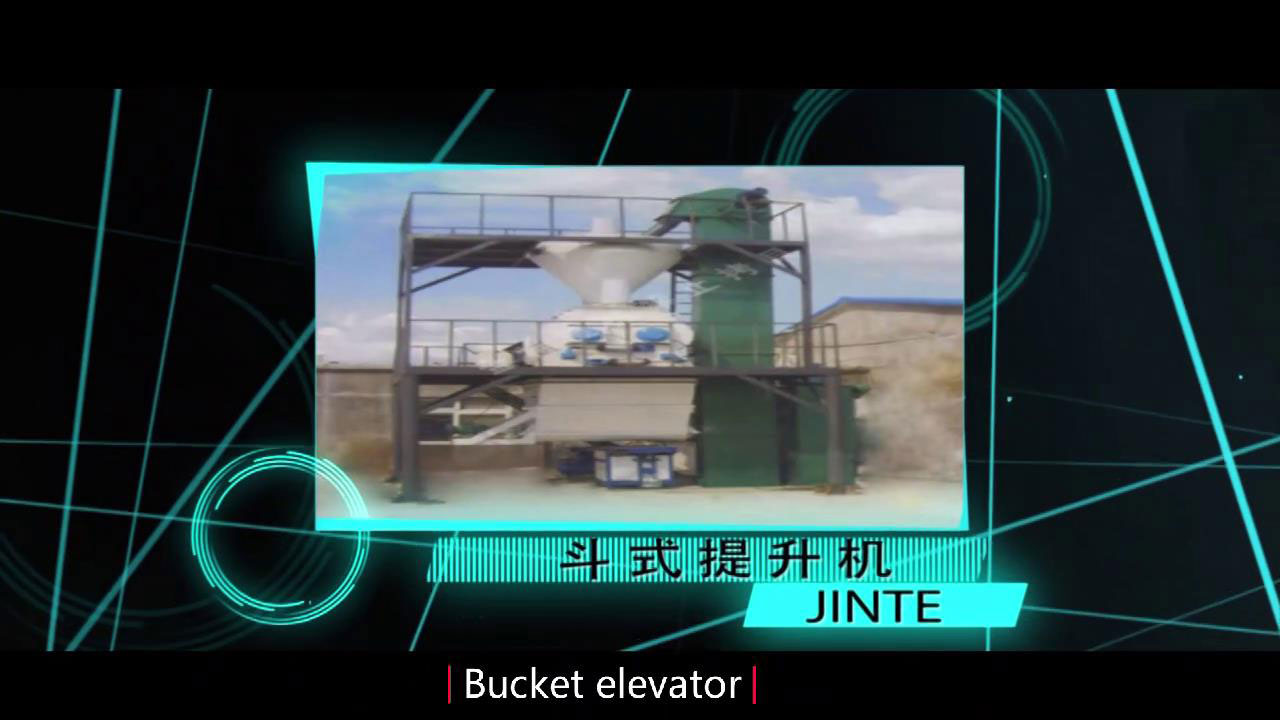
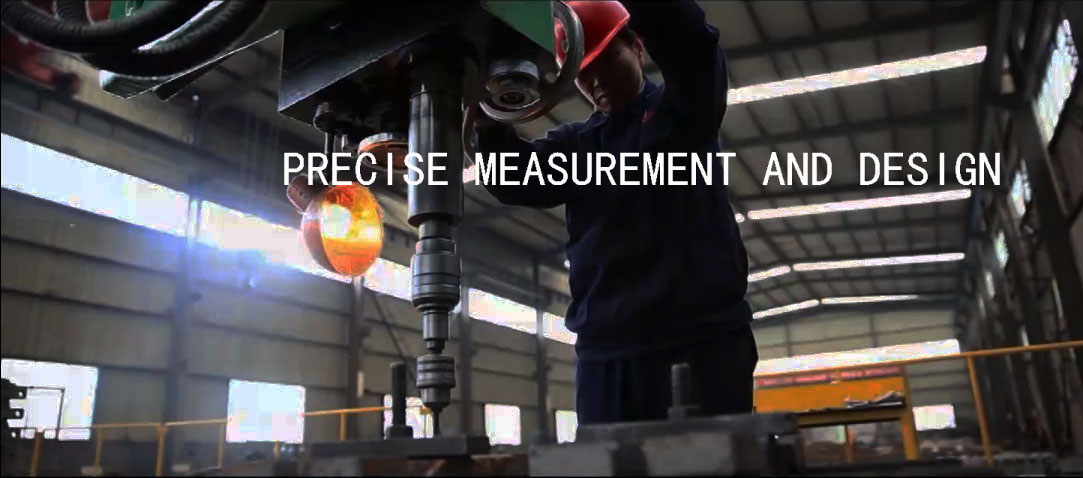
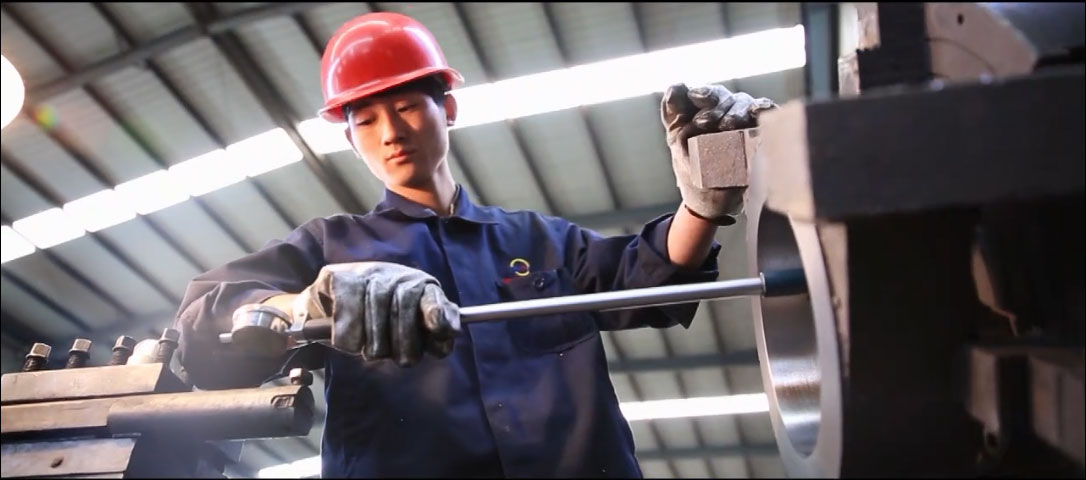
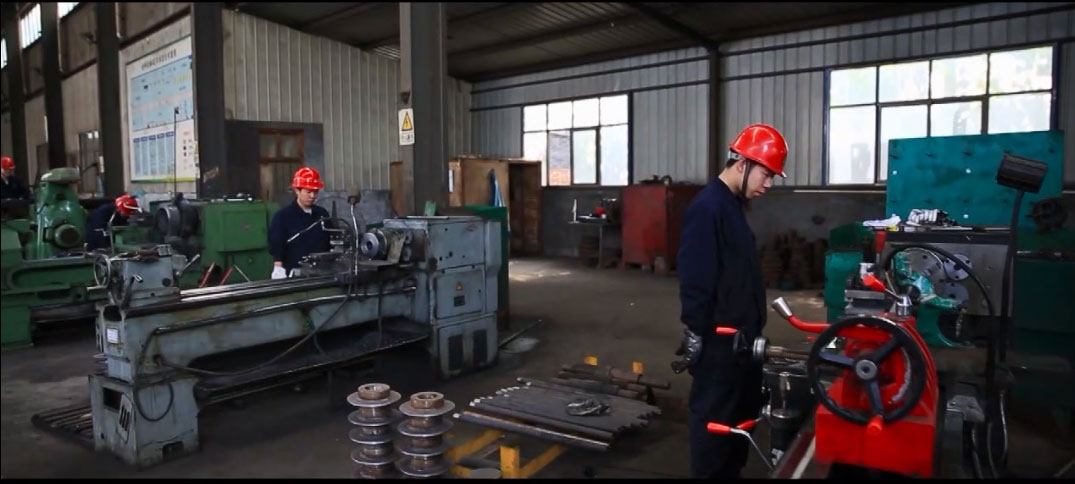
Our plant located in the Xinxiang Economic Development Zone occupies 26,000 square meters with a factory building area of 25,000 square meters. The production floors house more than 80 advanced machining toolsets including large vertical CNC machining centers, automatic CNC flame cutting units, automated bending and shearing equipment, shot blasting installations, and overhead crane setups capable of handling single loads exceeding 20 tons.
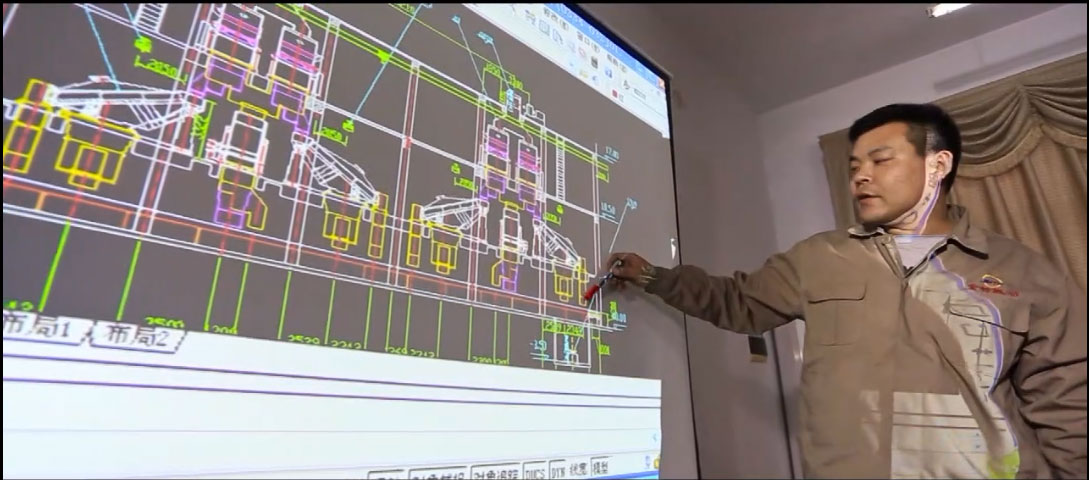
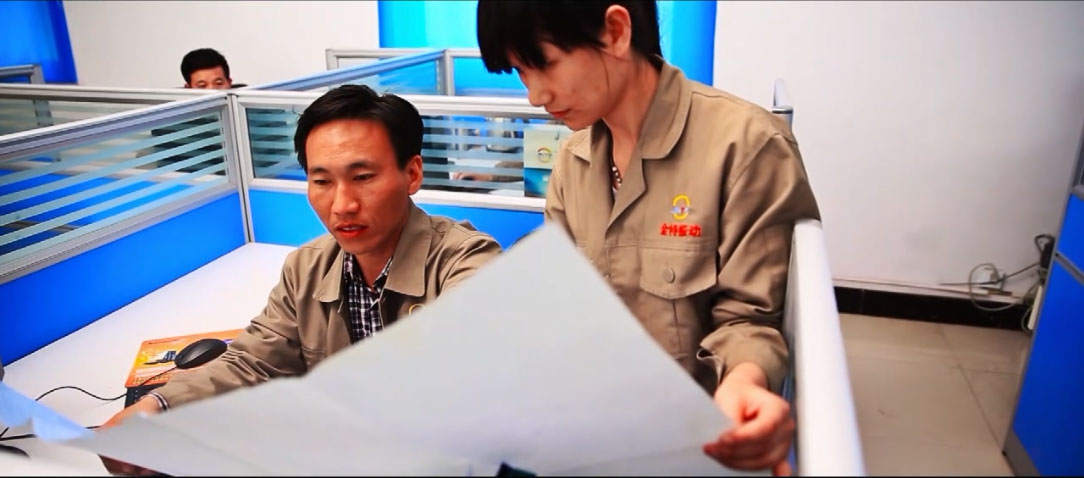
Our design team makes extensive use of CAXA 3D design platforms along with finite element modeling to perform stress testing prior to initiating steel fabrication. This meticulous design approach ensures that each bucket elevator, vibratory screen, or crusher is constructed to perform safely and reliably under continuous loads.
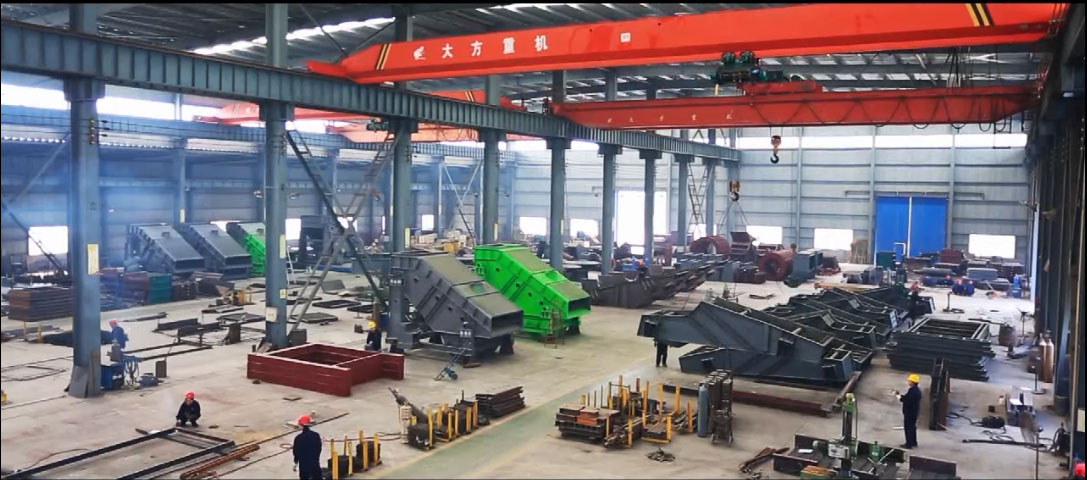
A look at our plant workers, quality testing procedures, and assembly lines in action.
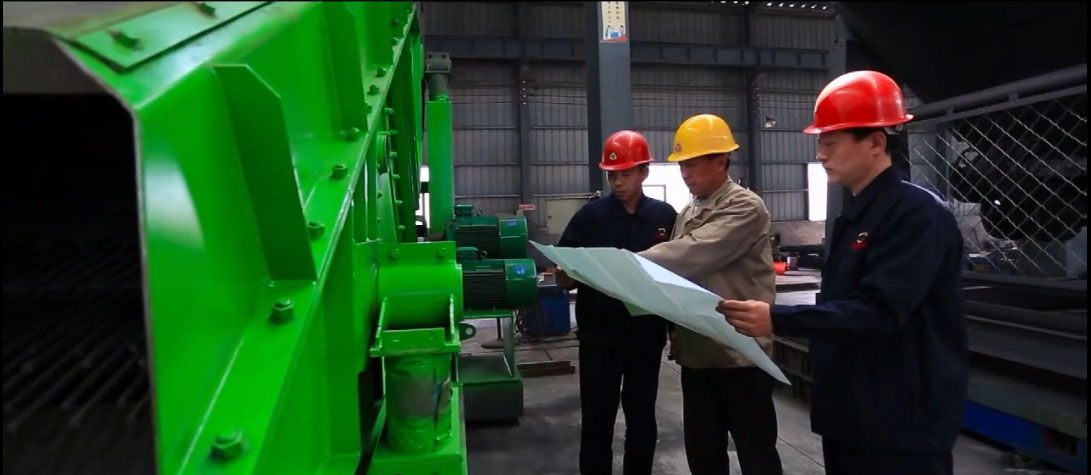
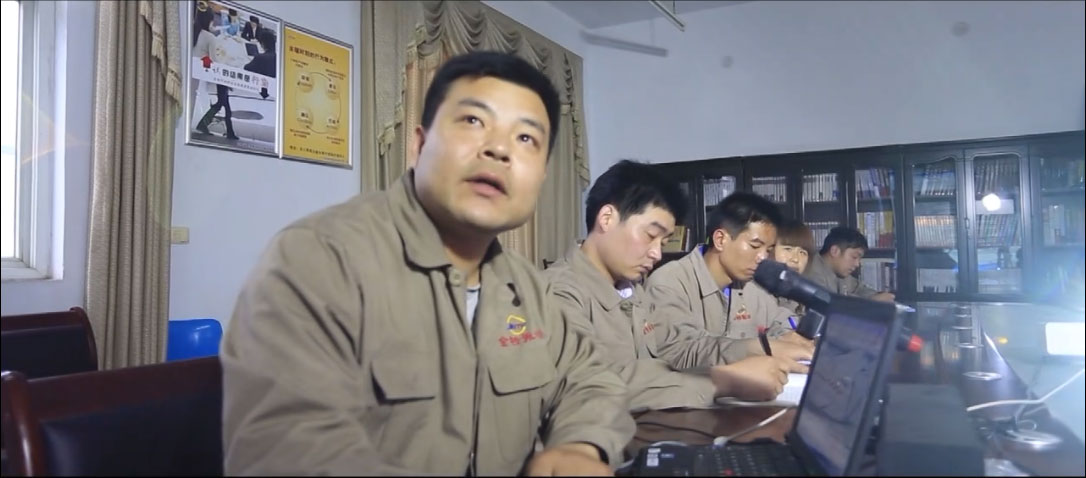
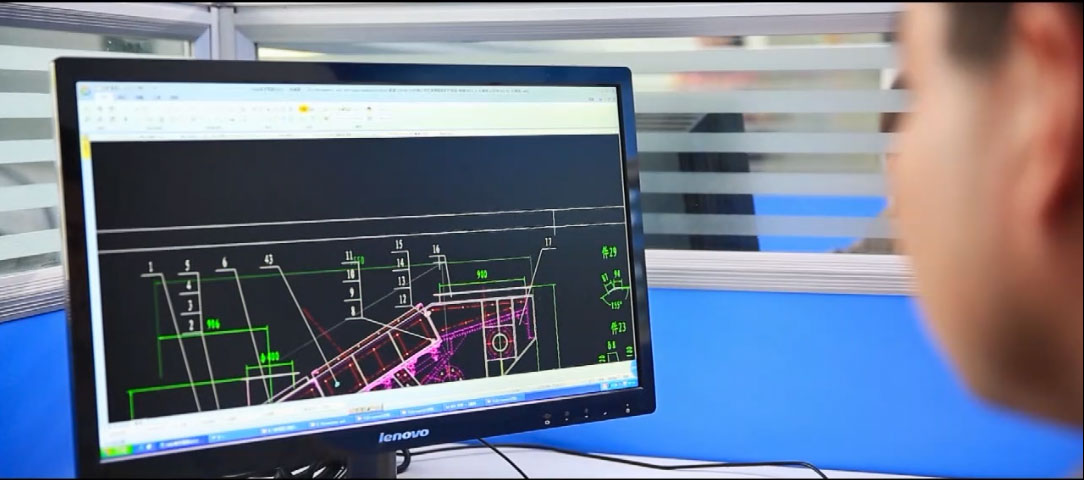
From our main production facilities, Jinte Technology maintains a broad distribution network supplying processing sites throughout the US, Middle East, India, and Africa. Because our equipment relies on globally standard motors, bearings, and belts, procurement and local maintenance are simplified for our clients.
Each unit is crated and secured according to strict international shipping standards, helping ensure that components arrive at your installation site undamaged and ready for integration.
Common questions answered by our engineering and regulatory compliance experts.
Sizing is determined by calculating the required volumetric flow rate: Capacity (m³/h) = Volumetric Bucket Capacity (L) × Buckets per Meter × Belt/Chain Speed (m/s) × 3.6 × Fill Factor. Ensure you adjust the fill factor based on your material's flow characteristics—typically between 60% and 85% to account for sluggish movement or overfill spilling.
For aggressive materials like crushed limestone, iron ore, or granite, we construct continuous discharge elevators with high-strength wear liners (such as Hardox steel or polyurethane linings). The buckets feature reinforced lips and are positioned closely to catch spillback, helping protect the conveyor drive and housing.
In highly enclosed industrial locations like Los Angeles County, dust containment is heavily regulated. We offer fully sealed, dust-tight casings, localized venting connections, and explosion relief panels. Elevators handling organic material (such as grains or wood dust) are fitted with anti-static belts and non-sparking bucket options to comply with local NFPA safety codes.
For chain-driven elevators like our TH or NE series, check chain tension weekly and lubricate linkages every 150 operating hours (unless running oil-free designs). Inspect the sprocket teeth every six months for wear and replace them if you notice tooth hooking, preventing uneven chain wear or tracking problems.
Chain-driven bucket elevators are best for heavy-duty lifts, high-temperature materials (over 250°F), or large, abrasive materials. Belt-driven elevators are suited for high-speed centrifugal discharge of grains, sand, agricultural fertilizers, and other materials running under 150°F.
Yes. Our engineering division works with CXAX 3D modeling and finite element software to match existing facility layouts. We customize inlet hopper profiles, height limits, motor frame brackets, and discharge angles to ensure the machinery integrates cleanly with your existing storage and screening equipment.
Explore our complete range of crushers, feeders, vibrating screens, and support components designed for industrial sorting and conveying plants.