In modern industrial and municipal wastewater management, mechanical pretreatment stands as the primary barrier protecting sensitive downstream processes. Among various filtration systems, the rotary screen (also known as rotary drum screen) is highly regarded for its continuous, self-cleaning operation and high hydraulic capacity. These units are engineered to efficiently remove suspended solids, micro-fibers, organic debris, and inorganic particulate from process water, thereby drastically reducing Chemical Oxygen Demand (COD) and Total Suspended Solids (TSS) loadings prior to biological or chemical treatments.
As global environmental regulations tighten and wastewater treatment costs scale upward, understanding the manufacturing technologies, hydraulic design mechanics, and global pricing structures of rotary screen wastewater filters has become essential for procurement teams, civil engineering contractors, and plant managers. This comprehensive industry whitepaper provides an expert-level breakdown of the operational principles, engineering specifications, and sourcing parameters of Chinese manufactured systems, focusing on the quality indicators outlined in the Google Search Quality Rater Guidelines (Experience, Expertise, Authoritativeness, and Trustworthiness).
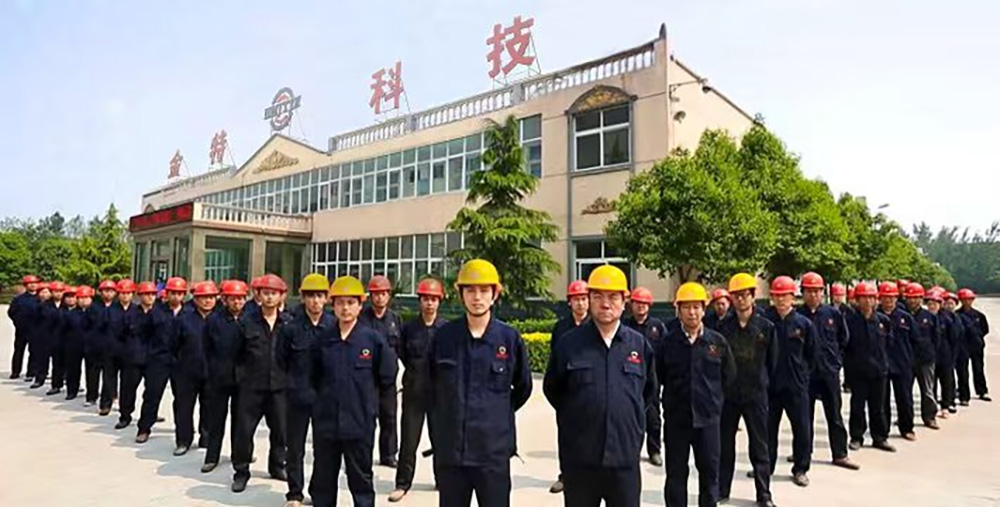
Henan Jinte Technology Co., Ltd. was officially registered and established in 2018, continuing a heritage of manufacturing excellence that dates back to 2000. Over the past two and a half decades, Jinte has developed into a mid-to-large-scale international enterprise specializing in the design, engineering, and production of complete screening equipment, vibration equipment, conveying systems, and specialized industrial crushing components.
We do not simply fabricate metal; we design systems that improve raw material recovery, lower power consumption, and mitigate industrial pollution. Our products are exported to countries including Iran, India, Central Africa, and broader Asia, serving demanding environments where downtime is not an option. By integrating international engineering principles with advanced materials, Henan Jinte maintains a leading position in the vibration and separation machinery sector.
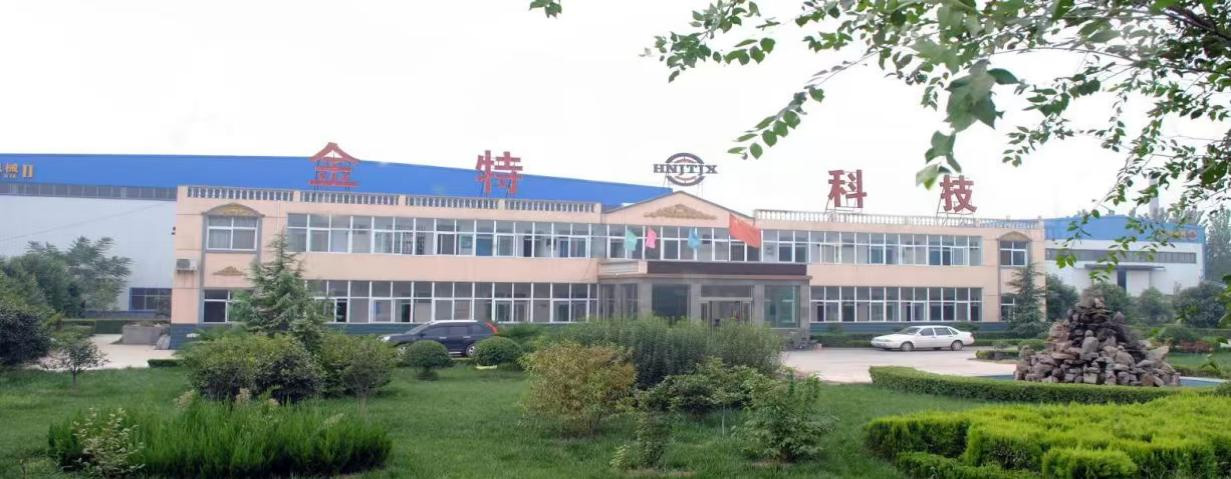
Located in the west section of Xinglong Road within the Xinxiang Economic Development Zone, Henan Province, China, the Henan Jinte manufacturing facility spans 26,000 square meters, with a dedicated production workshop footprint of 25,000 square meters. The plant is surrounded by a 100,000 square meter green development area, embodying our commitment to modern, low-impact industrial practices.
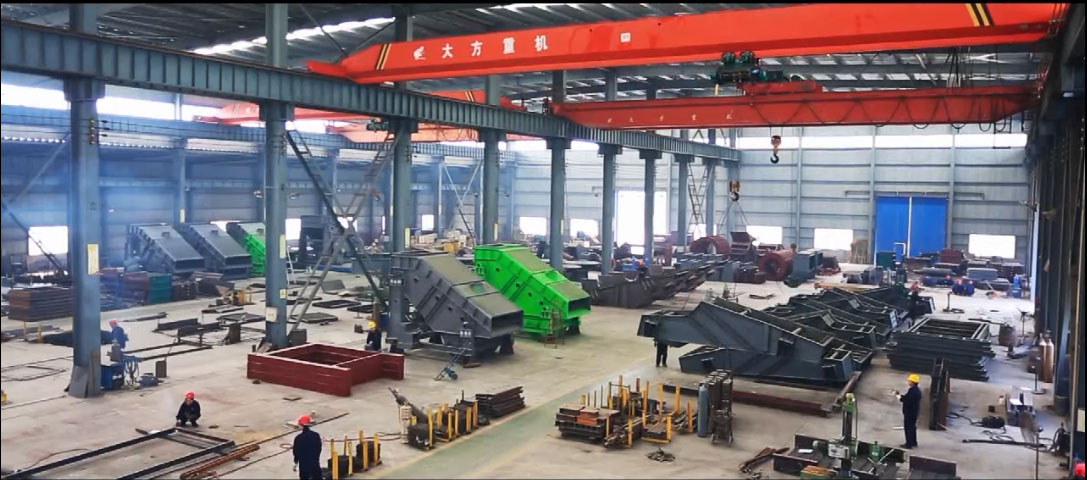
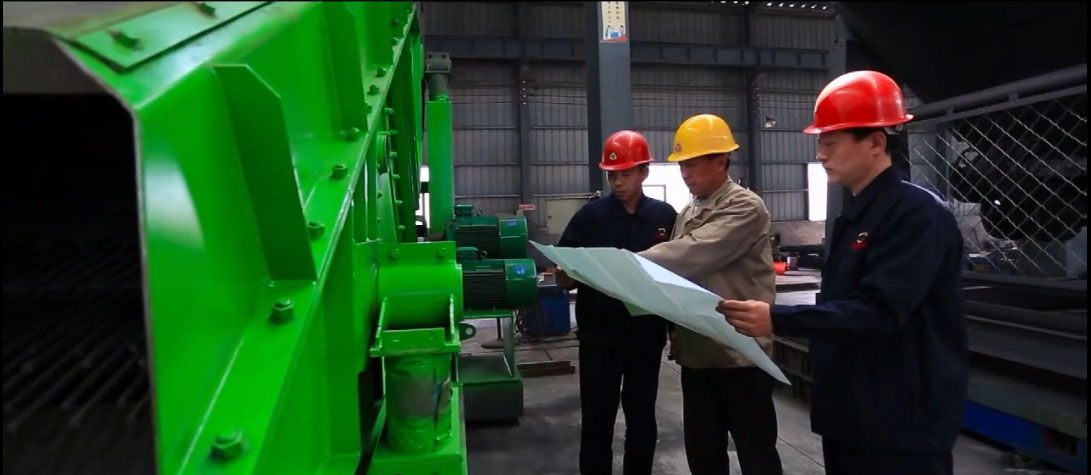
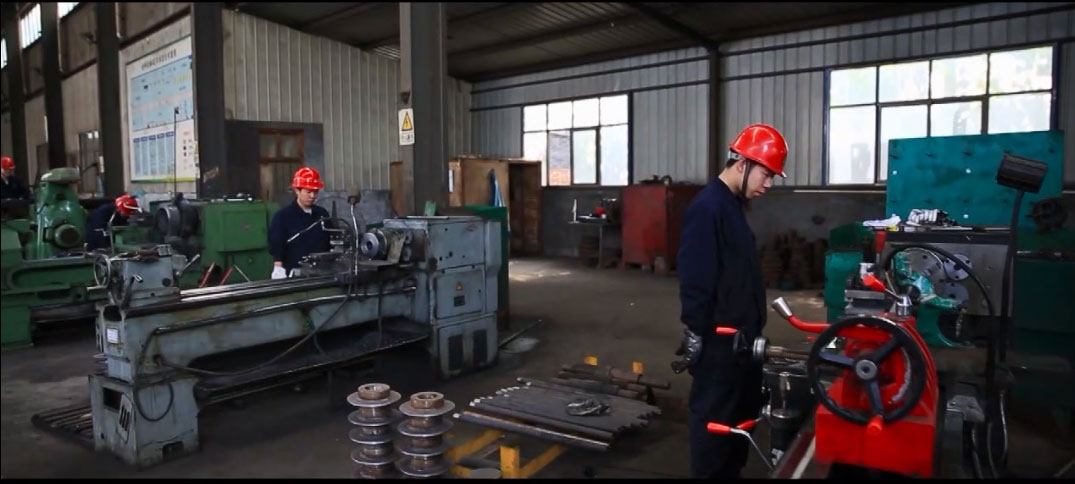
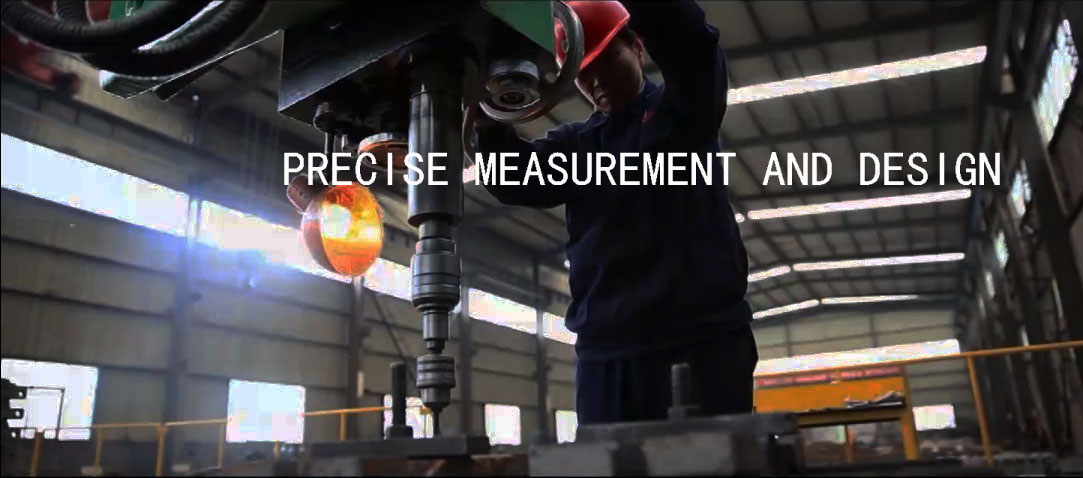
Our manufacturing workflow is equipped with over 80 sets of high-precision heavy processing machinery, including:
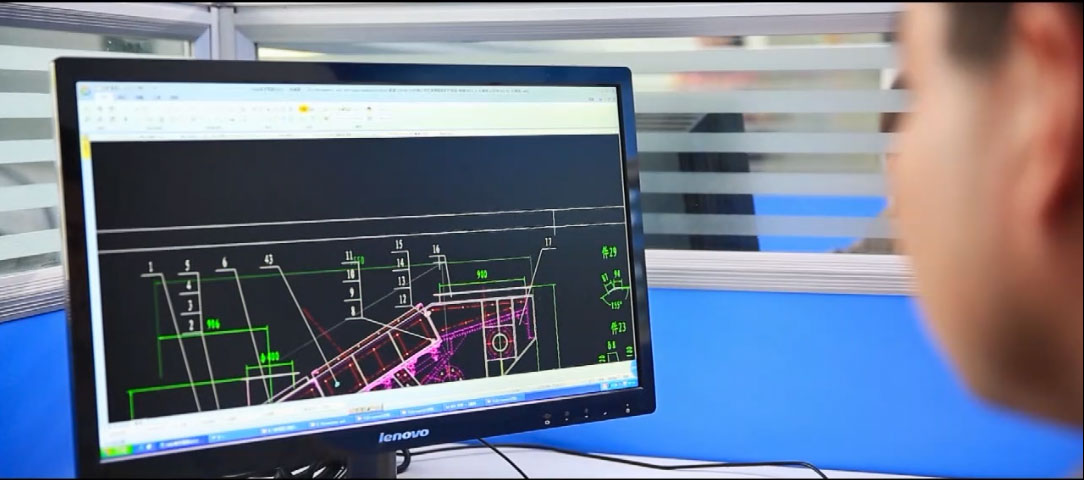
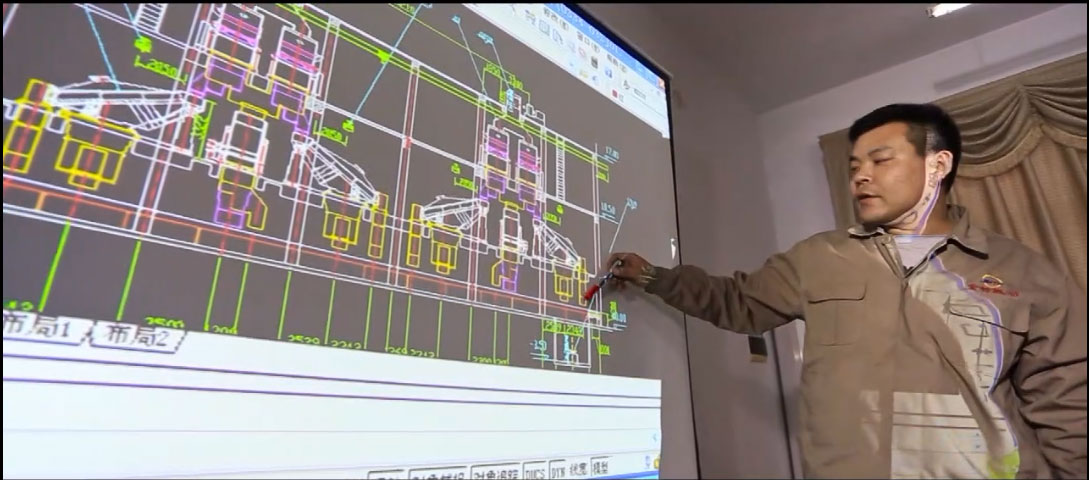
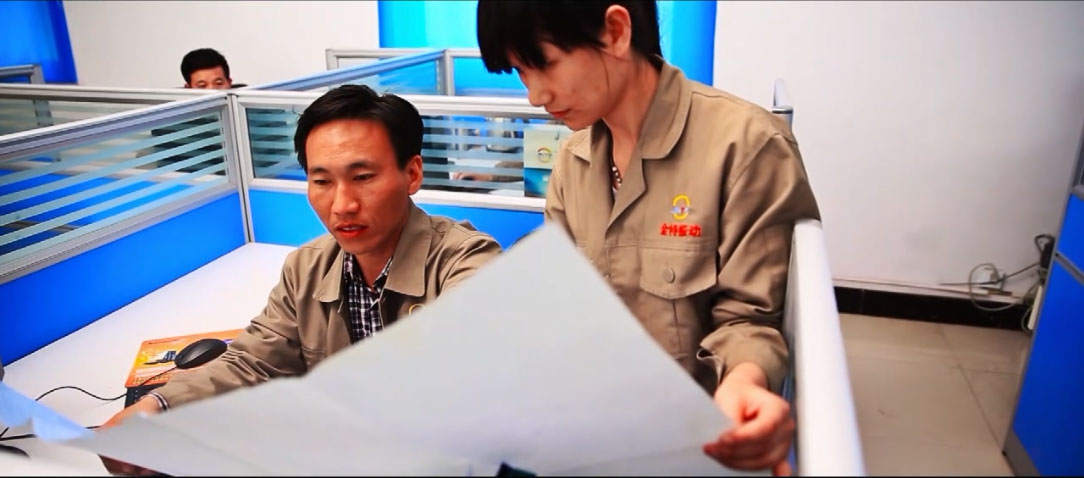
By employing centralized CAD workstations alongside CXAX 3D modeling and Finite Element Analysis (FEA) software, our engineering team maps out mechanical stress points, dynamic torque distributions, and fluid flow dynamics in a simulated 3D space prior to raw steel fabrication. This virtual testing ensures that our rotary screen cylinders can endure high hydraulic impact and abrasive wear over years of continuous service.
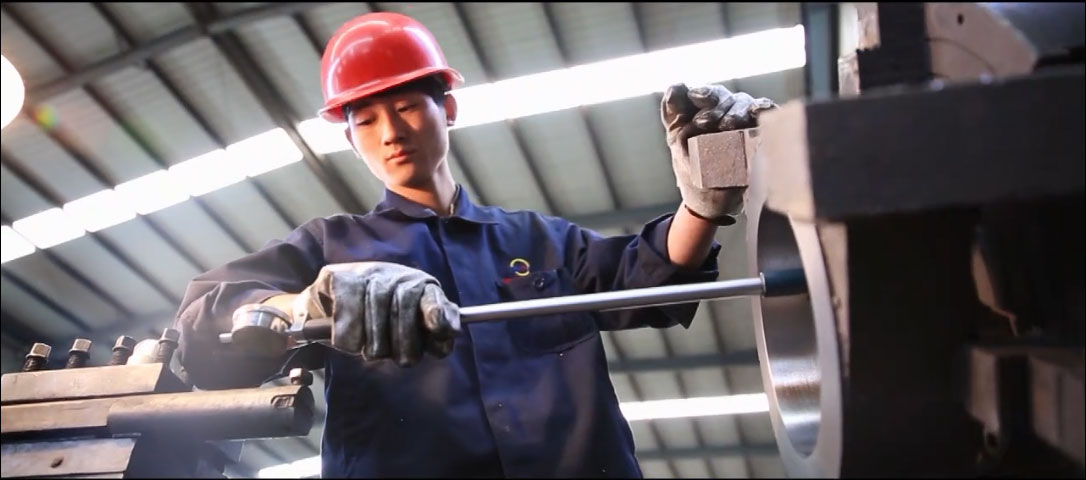
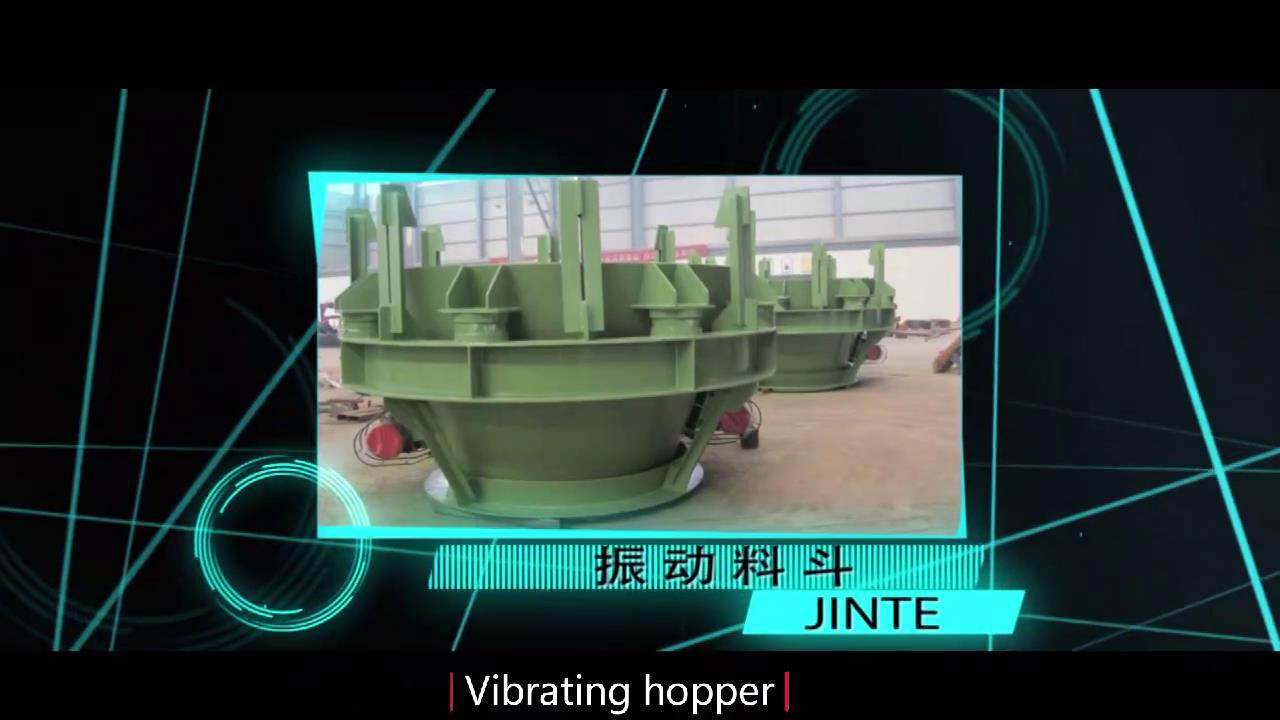
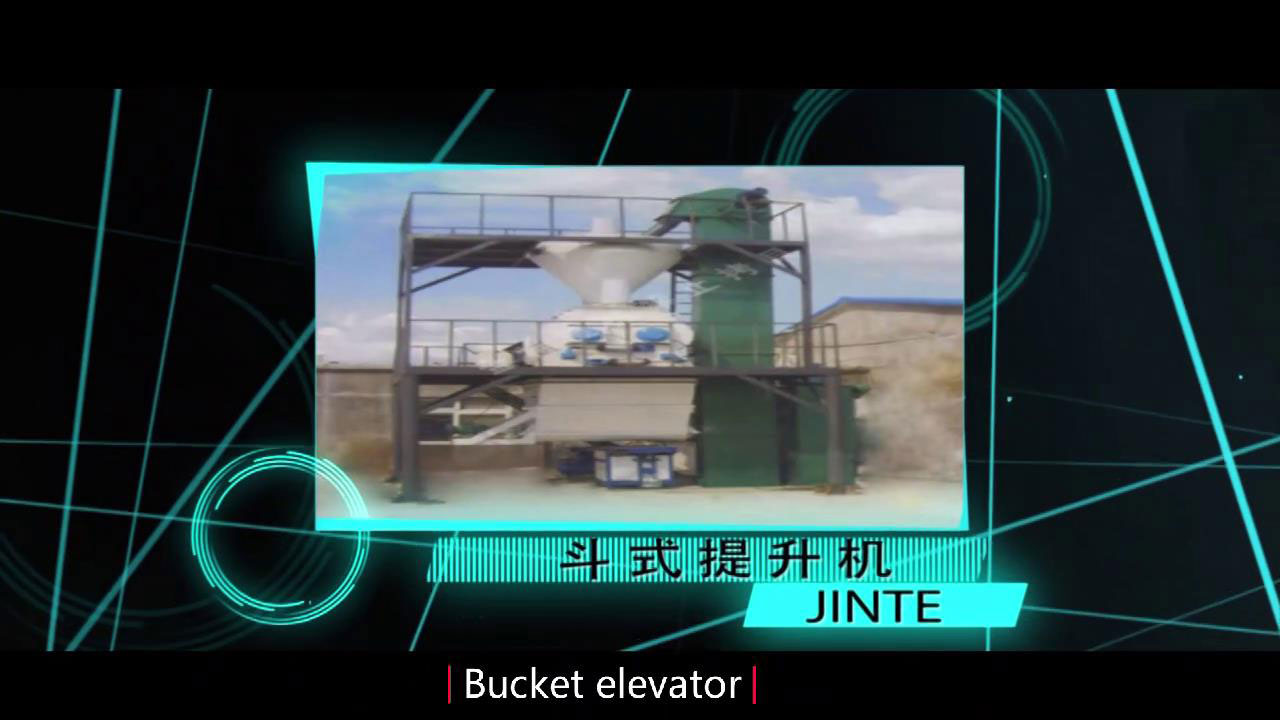
Henan Jinte designs and manufactures an expansive portfolio of over 700 equipment varieties, tailored specifically for mining, mineral processing, metallurgy, coal handling, municipal wastewater, sand and gravel processing, and industrial chemicals. Key equipment classes include:
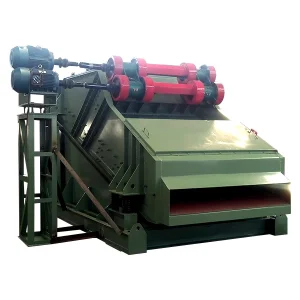
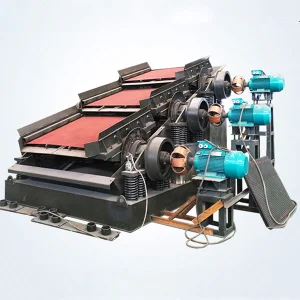
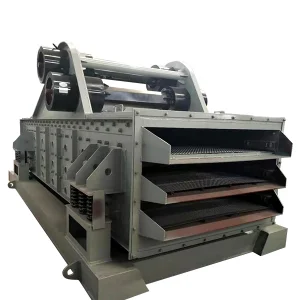
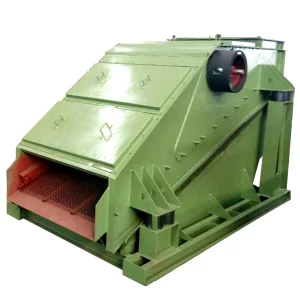
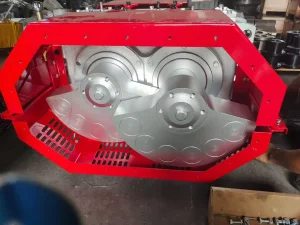
We manufacture environmentally friendly sintered vibrating screens, high-efficiency heavy-duty vibrating screens, large circular vibrating screens, double-axis and three-axis self-synchronizing elliptical screens, probable rod screens, and rotary trommel screens designed for processing wet materials.
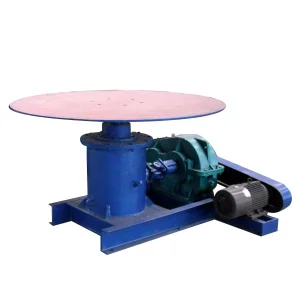
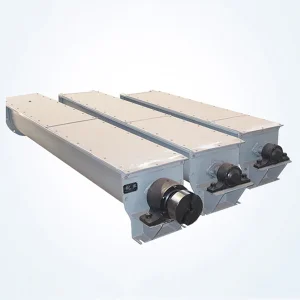
Our material transfer range includes robust electromagnetic feeders, reciprocating coal feeders, dust-proof disc feeders, belt linear feeders, flexible screw conveyors (LS/GX type), bucket elevators, and vibrating conveyors.
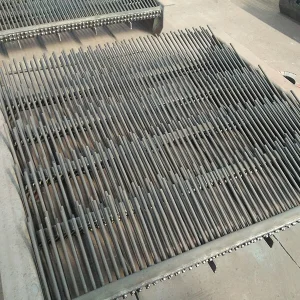
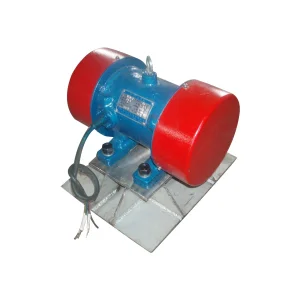
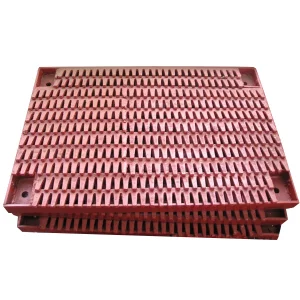
We supply specialized components including high-durability vibration motors, linear self-vibration sources, thin-oil vibrator blocks, composite damping springs, and industrial-grade comb sieve plates.

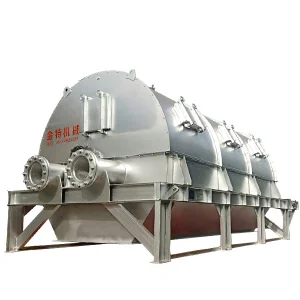
Rotary drum screens function via a simple yet highly effective mechanical configuration. Wastewater enters the interior or exterior of a horizontally rotating cylindrical screen basket. As the drum rotates at a controlled RPM, water passes through the filter mesh while the captured solids are transported axially along the inner drum wall, eventually discharging at the exit chute. To maintain peak operational efficiency, a continuous cleaning mechanism (spray bar or rotating brush) clears the mesh apertures, preventing blinding.
Depending on the wastewater profile, two primary types of screen media are employed:
We classify our rotary wastewater screens into two main flow patterns:
1. Internal-Feed Rotary Screens: Wastewater enters the center of the drum through an inlet distributor. Gravity forces the water through the screen, and internal flights guide the solids toward the discharge point. This design is highly suited for large industrial flows containing soft organic solids (such as food processing or paper mill effluents) because it prevents the mechanical breakdown of fragile flocs.
2. External-Feed Rotary Screens: Wastewater flows over a weir onto the exterior surface of the rotating drum. Water drains through the screen apertures into the collection tank, while a doctor blade (scraper) removes the accumulated solids from the outer surface. This design is compact, easy to inspect, and highly efficient for municipal primary screening and plastics recycling wash-water.
Rotary wastewater screens are used across a wide range of municipal and industrial processes. By selecting the appropriate screen gap and drum dimensions, plant operators can protect downline systems and recover valuable materials.
| Industry Sector | Primary Wastewater Type | Typical Screen Gap (mm) | Key Solid Impurities Targeted | Downstream System Benefits |
|---|---|---|---|---|
| Pulp & Paper Mills | White water and fiber filtrate | 0.25 mm - 0.75 mm | Cellulose fibers, wood chips, filler clays | Fiber recovery, prevents nozzle clogging in wash stages |
| Food Processing | Slaughterhouse wash, vegetable wash | 0.5 mm - 1.5 mm | Feathers, fat particles, peels, grit | Reduces COD loadings by up to 35% before DAF systems |
| Municipal Treatment | Raw municipal sewage and grit wash | 1.0 mm - 3.0 mm | Plastics, sanitary rags, inorganic gravel | Protects membrane bioreactors (MBR) and aeration pumps |
| Textile Dyeing | Process rinse and bath discharges | 0.15 mm - 0.5 mm | Lint, synthetic fibers, yarn residues | Prevents clogging in primary clarifier clarifier tubes |
| Mining & Metallurgy | Slurry runoffs and wet tailings | 0.5 mm - 2.0 mm | Mineral fines, ore particles, grit | Recycles process water, reduces tailing pond accumulation |
As the wastewater industry transitions towards smart utility infrastructure, the technology guiding rotary screens is evolving. The Henan Jinte engineering research division has mapped out a technical roadmap focusing on three core pillars:
Traditional rotary screens operate at a fixed rotation speed, which can lead to inefficient power use during low-flow periods. Our upcoming smart platforms feature variable frequency drive (VFD) controls integrated with ultrasonic level sensors. The drum rotation speed and spray cleaning cycles adapt in real-time based on the incoming hydraulic head. Integrated IoT modules transmit diagnostic telemetry to control rooms, allowing operators to monitor motor torque, bearings temperature, and wash water pressures remotely.
To reduce maintenance downtime, Jinte is researching composite polymer scrapers and multi-nozzle high-pressure cleaning systems. These systems optimize spray angles and water consumption, lowering utility usage by up to 25% while keeping the screen free from grease and biological biofilms.
By optimizing the mechanical gearbox layouts and introducing permanent magnet synchronous motors (PMSM), we aim to minimize energy losses. Combining this with high-precision structural balancing reduces mechanical friction, lowering the total carbon footprint of the treatment plant's inlet works.
Procuring a rotary drum screen from China requires evaluating both the initial purchase price and long-term operating costs. Below is a detailed breakdown of the technical specifications that influence equipment pricing.
| Model Series | Drum Diameter (mm) | Drum Length (mm) | Capacity (m³/h) @ 1mm Gap | Motor Power (kW) | Main Material Options | Est. Price Range (USD) |
|---|---|---|---|---|---|---|
| JTRS-600 | 600 | 1000 | 50 - 90 | 0.75 - 1.1 | SUS304 / SUS316L | $4,500 - $7,500 |
| JTRS-1000 | 1000 | 1500 | 150 - 280 | 1.5 - 2.2 | SUS304 / SUS316L | $8,200 - $14,000 |
| JTRS-1500 | 1500 | 2000 | 350 - 550 | 3.0 - 4.0 | SUS316L / Super Duplex | $16,500 - $26,000 |
| JTRS-2000 | 2000 | 3000 | 700 - 1100 | 5.5 - 7.5 | SUS316L / Titanium Alloy | $32,000 - $55,000 |
Exporting heavy industrial machinery requires meeting local regulatory and safety standards. Henan Jinte guarantees that all exported equipment complies with international manufacturing codes:
No matter where your facility is located, we can establish dedicated technical service teams to assist with site installation, commissioning, and training, ensuring your system runs smoothly from day one.