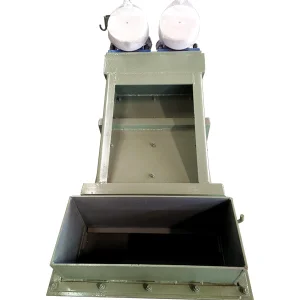
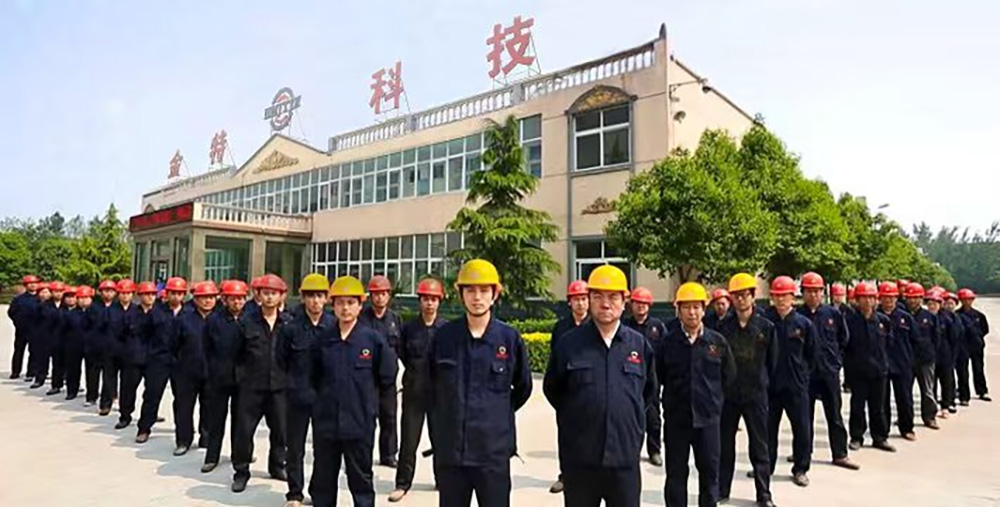
Henan Jinte Technology Co., Ltd., established and registered in 2018 (with roots dating back to 2000), stands as a preeminent international enterprise. We specialize in the precision design and manufacturing of high-capacity screening, vibration, and conveying systems tailored for complex industrial production lines.
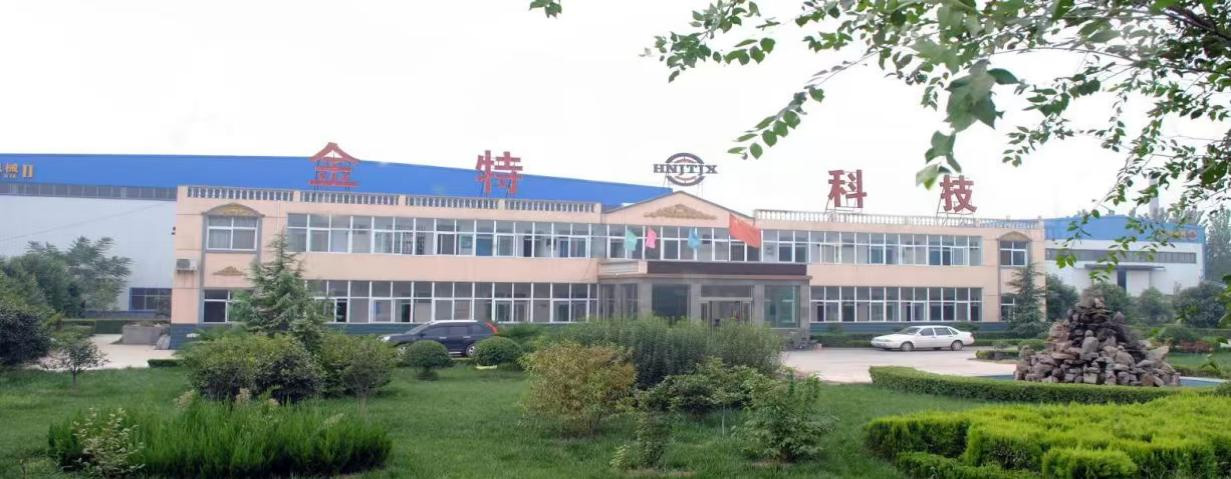
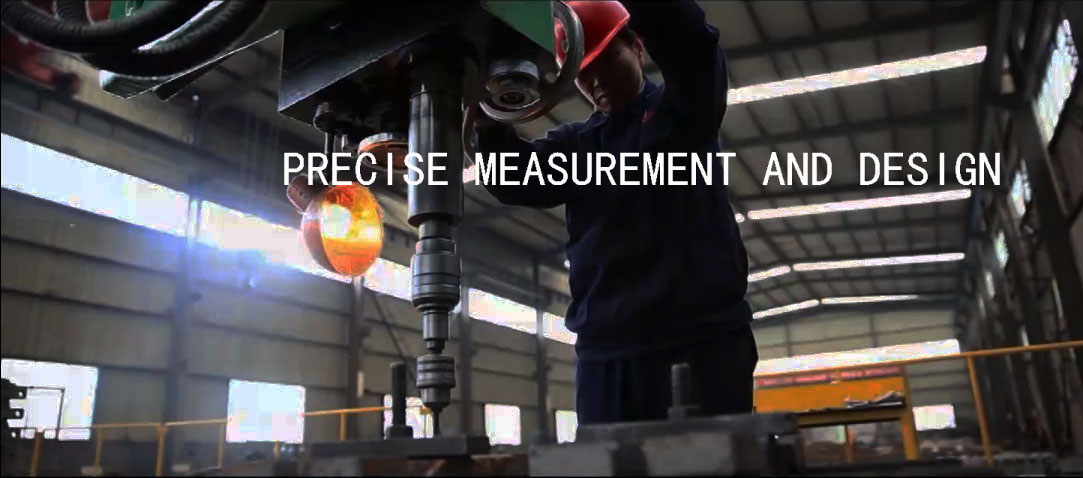
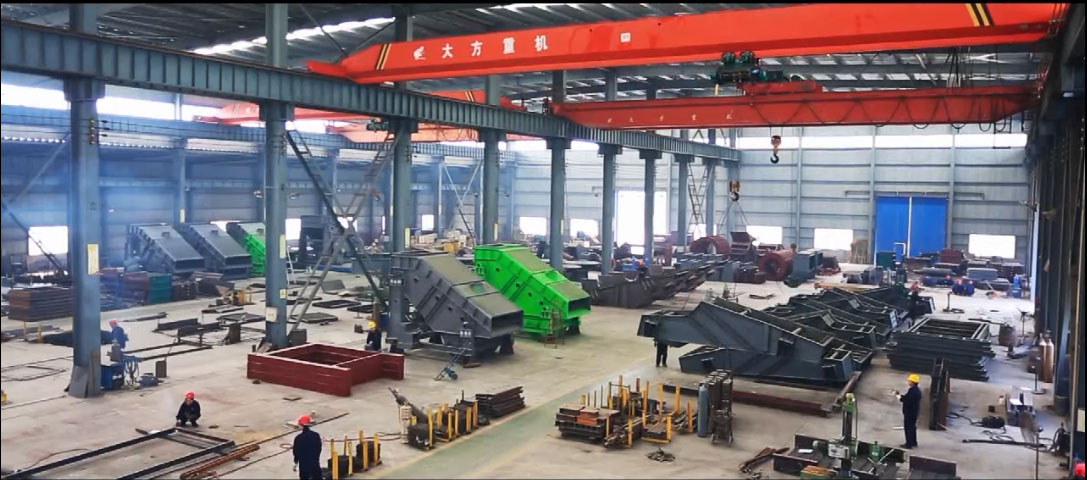
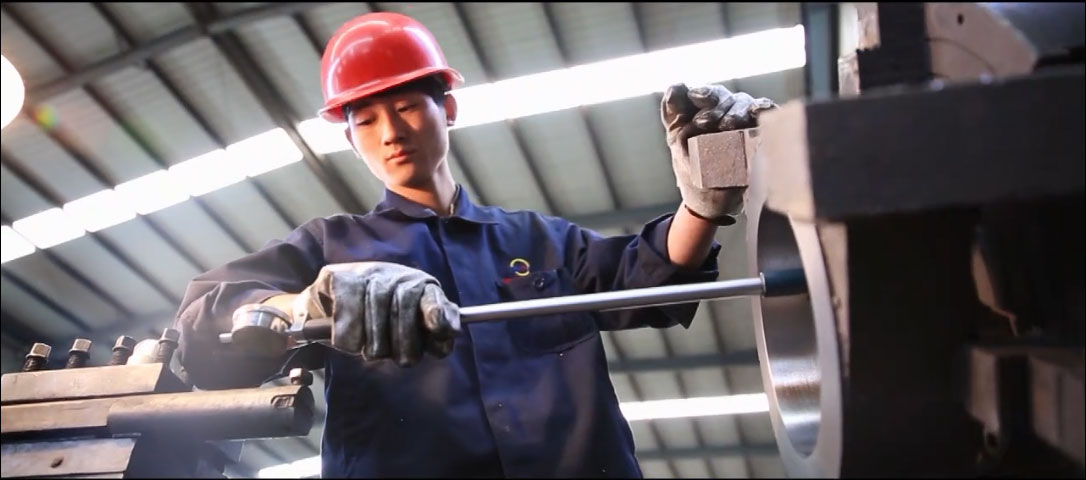
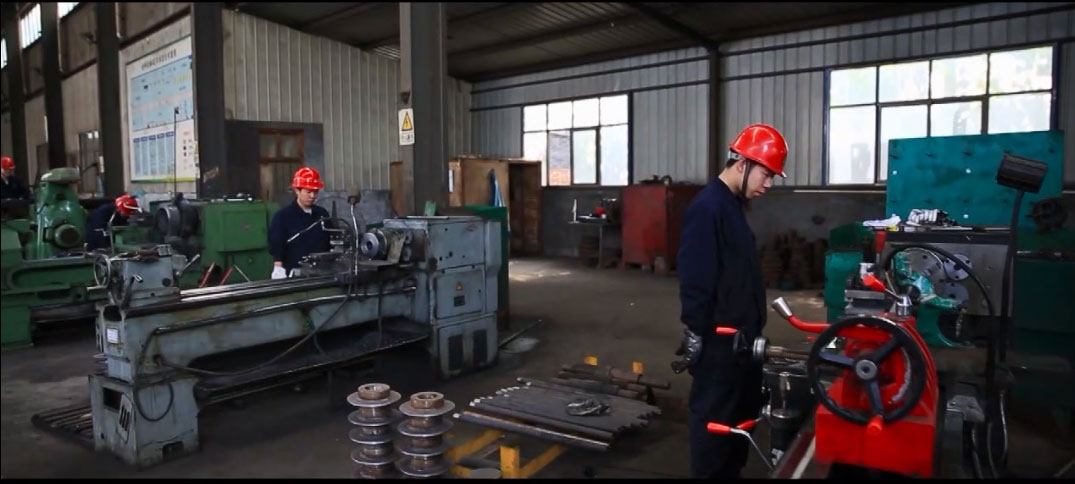
Operating out of a 26,000 square meter advanced facility in Henan's Economic Development Zone, we utilize 80+ sets of specialized processing equipment, including CNC machining centers and automatic welding robots.
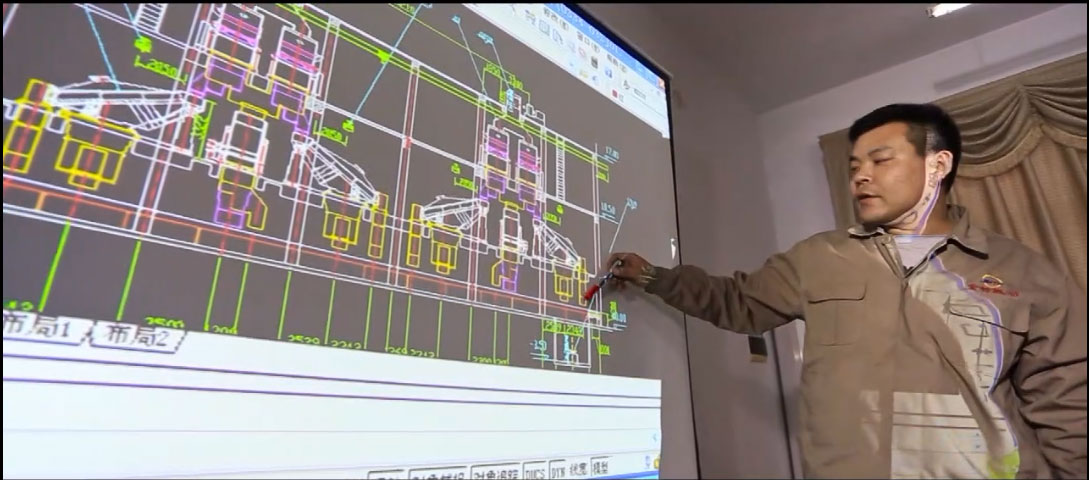
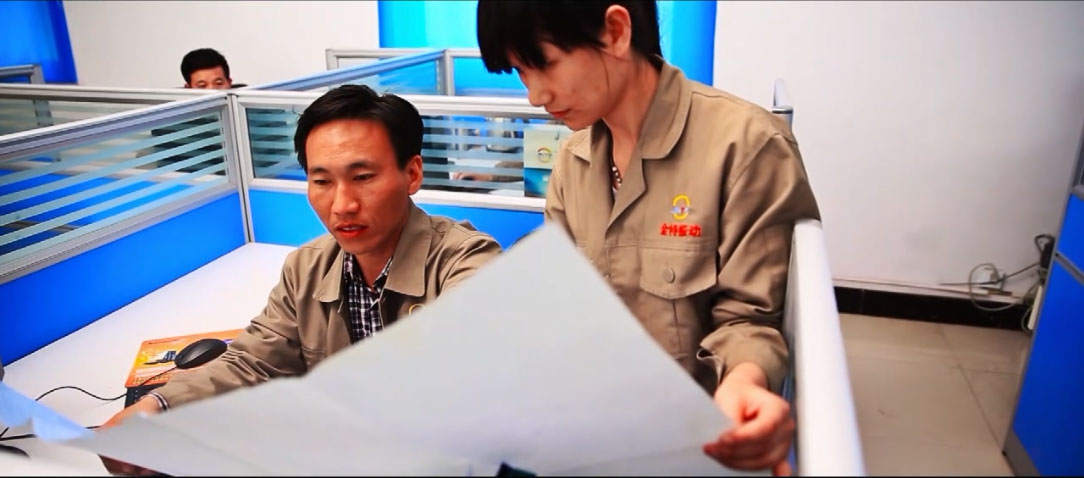
Our 45+ technical specialists utilize CXAX 3D design software and finite element analysis (FEA) to simulate belt feeder tensions and load stress, ensuring energy efficiency and structural longevity.
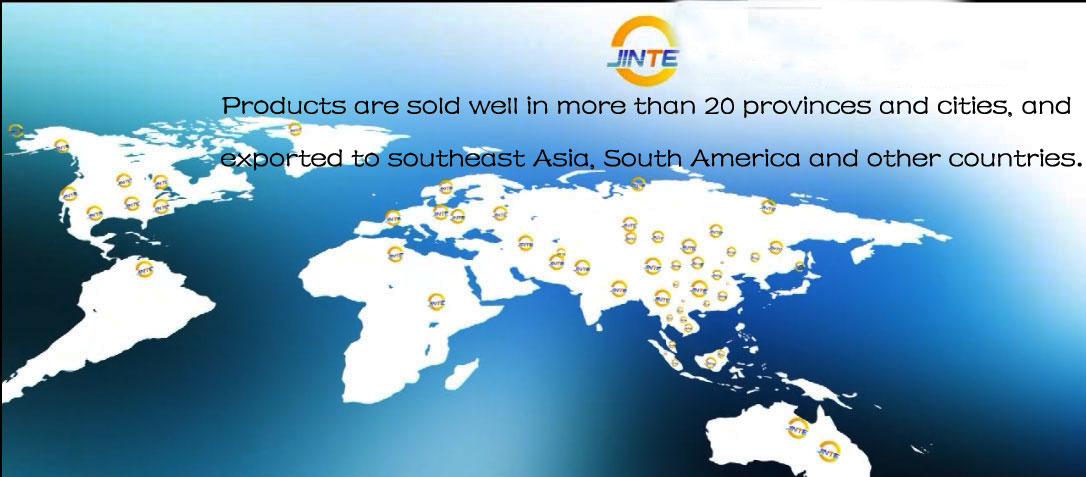
Exporting to Iran, India, Central Africa, and across Asia, our solutions adhere to stringent international standards, placing Jinte at the forefront of the vibration machinery industry.
Years Experience
Professional Staff
Transport Safety
Product Varieties
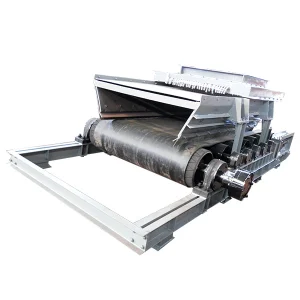
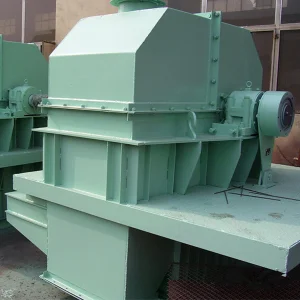
In the modern mining and metallurgy sectors, the belt feeder serves as the critical "heartbeat" of material flow. Unlike standard conveyors, a belt feeder is designed to start under high head loads, requiring sophisticated design calculations to balance torque, belt tension, and volumetric flow. As a leading manufacturer in China, Jinte Technology provides this technical white paper to bridge the gap between theoretical physics and industrial application.
The primary objective of a belt feeder is to regulate the discharge of bulk solids from a hopper. The basic capacity formula used by our engineers is:
Capacity (Q) = Area (A) × Speed (V) × Material Density (ρ)
Where Area is the cross-sectional area of the material on the belt, heavily influenced by the hopper opening geometry and the material's surcharge angle.
Designing for "Search Intent" in engineering means understanding that procurement managers look for reliability. To ensure a belt feeder doesn't stall, we calculate the Effective Tension (Te), which includes:
Our engineers use Finite Element Analysis to determine the shear friction factor, ensuring the motor selected has the "Breakaway Torque" necessary for full-load starts.
The competitive advantage of Chinese Belt Feeder Manufacturers like Jinte Technology stems from a unique convergence of factors:
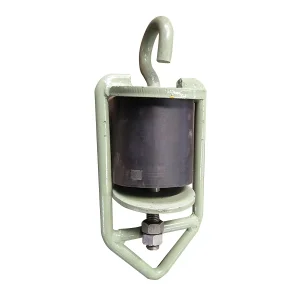
Access to high-grade steel and composite materials like our Rubber Compression Springs reduces the total cost of ownership while increasing durability.
Inland China's industrial clusters allow for rapid prototyping. We can transition from 3D design to a physical prototype of a Linear Vibrating Screen or Belt Feeder in record time.
We leverage global standards while maintaining a localized cost structure, offering "Information Gain" through optimized designs that save up to 20% in energy consumption.
As we move towards Industry 4.0, belt feeder design is evolving beyond just "moving rocks." Trends we are currently implementing include:
Global companies in Australia, Canada, and Africa require more than just a machine; they require a system. Our Macro Industry Solutions include the integration of:
A belt conveyor transports material from point A to B, usually with a uniform load. A belt feeder is a specialized application designed to extract material from under a hopper, requiring significantly higher torque and robust structural design to handle the head load.
Power (kW) = [Te (Effective Tension in N) × V (Velocity in m/s)] / 1000. Te includes the resistance to shear the material, friction of the belt on the slider bed or idlers, and acceleration forces.
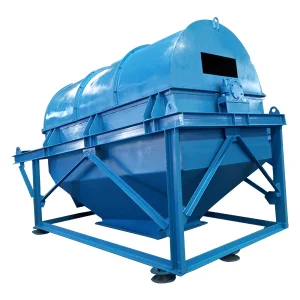
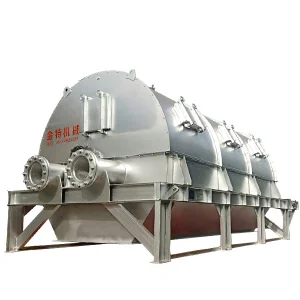
Yes, we offer specialized designs such as the Trommel Drum Screen for Wet Material and belt feeders equipped with high-precision belt scrapers and non-stick liners to prevent material carryback.
Our designs meet CEMA (Conveyor Equipment Manufacturers Association) standards and ISO quality protocols, ensuring global compatibility and safety.
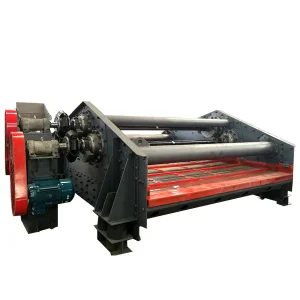
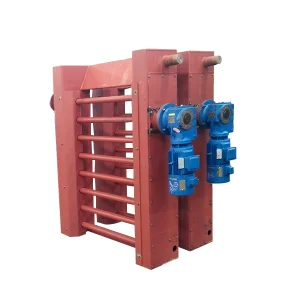
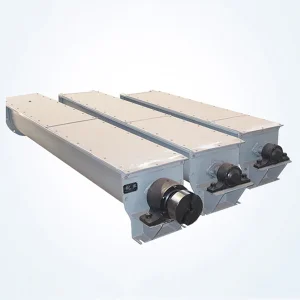
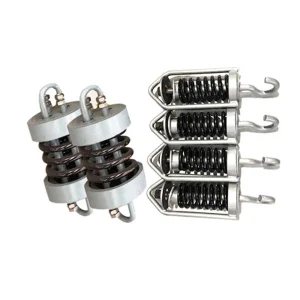
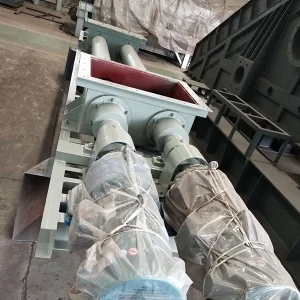
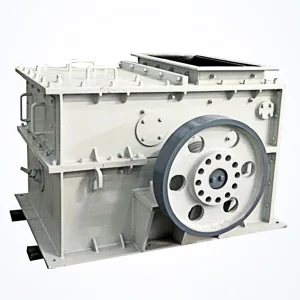
As a key player in China's basic equipment industry, Henan Jinte Technology Co., Ltd. continues to innovate in the field of screening machinery, smelting sintering, and grading systems. Through optimized design calculations, we enhance the utilization efficiency of raw materials, reduce consumption, and minimize environmental impact. Our global marketing network is dedicated to providing military-precision solutions to complex material handling challenges.