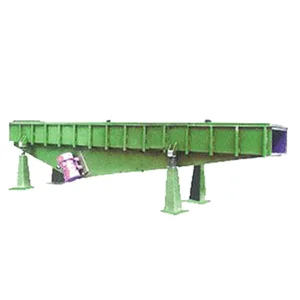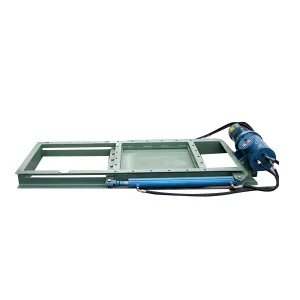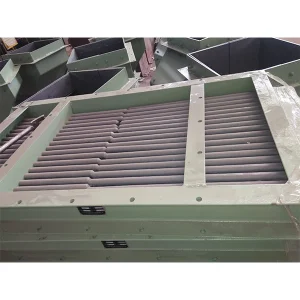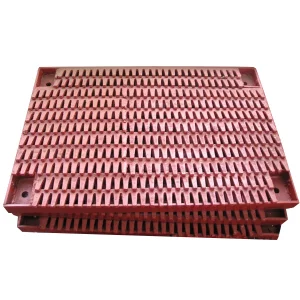
Explore our state-of-the-art machinery engineered for bulk handling, sand production, and heavy industrial processing.
Auger conveyors, commonly referred to as screw conveyors, are foundational to bulk material handling. They represent one of the oldest yet most efficient methods of transporting bulk solids, slurries, and granular substances across horizontal, inclined, and vertical paths. At the core of every long-distance or high-capacity screw conveyor system lies a critical, yet frequently underestimated engineering component: the Hanger and Bearing Assembly.
Hangers provide structural support for intermediate couplings inside the conveyor trough, preventing excessive shaft deflection and catastrophic bending stresses. Without properly engineered hangers, the screw shaft would sag under its own weight and the massive load of the processed material, leading to premature metal fatigue, flighting degradation, and ultimate system failure. Meanwhile, the hanger bearing acts as the rotational interface, experiencing continuous friction, variable radial loads, and direct exposure to the conveying materials.
Screw conveyors are widely categorized by their structural and application parameters. When conveying distance exceeds the structural limits of a single solid shaft (typically 10 to 12 feet), multiple screw sections must be joined together. Hangers are placed at these junction points. Because these hangers are submerged directly in the flow of material, they pose a constant risk of material accumulation, jamming, and abrasive wear.
As a leading engineering hub in China, Henan Jinte Technology Co., Ltd. customizes screw conveyor hangers to optimize flow dynamics. By minimizing the structural footprint of the hanger frame and implementing state-of-the-art tribological materials for the bearings, we maximize the conveyor’s cross-sectional area and significantly reduce material flow resistance.
The global bulk material handling market is undergoing a rapid evolution driven by energy-efficiency demands, safety regulations, and the drive toward fully automated processing plants. Industrial purchasers in Europe, North America, and South America are shifting from standard, off-the-shelf components toward highly tailored, engineered solutions designed for specific material characteristics.
Sourcing teams require hanger bearings capable of surviving highly abrasive materials such as fly ash, quartz sand, mineral tailings, and cement powders without seizing.
Modern plant managers aim to eliminate manual lubrication schedules inside enclosed troughs. Self-lubricating polymer, graphite-impregnated bronze, and ceramic bearings are heavily favored.
For chemical and food processing applications, procurement demands FDA-compliant materials (such as virgin UHMW-PE or PTFE) that prevent lubrication oils from contaminating the product.
This shifting procurement paradigm places high demands on manufacturers. A factory must not only possess raw casting capabilities but also demonstrate deep metallurgical and engineering expertise to design and test custom-bearing profiles that withstand extreme chemical, thermal, and mechanical environments.
China has long moved past low-cost manufacturing. Today, leading Chinese industrial facilities operate under the banner of "Factory 4.0"—integrating advanced automation, precision machining, and digitized supply chain systems. This shift provides global buyers with unparalleled supply chain resilience and manufacturing agility.
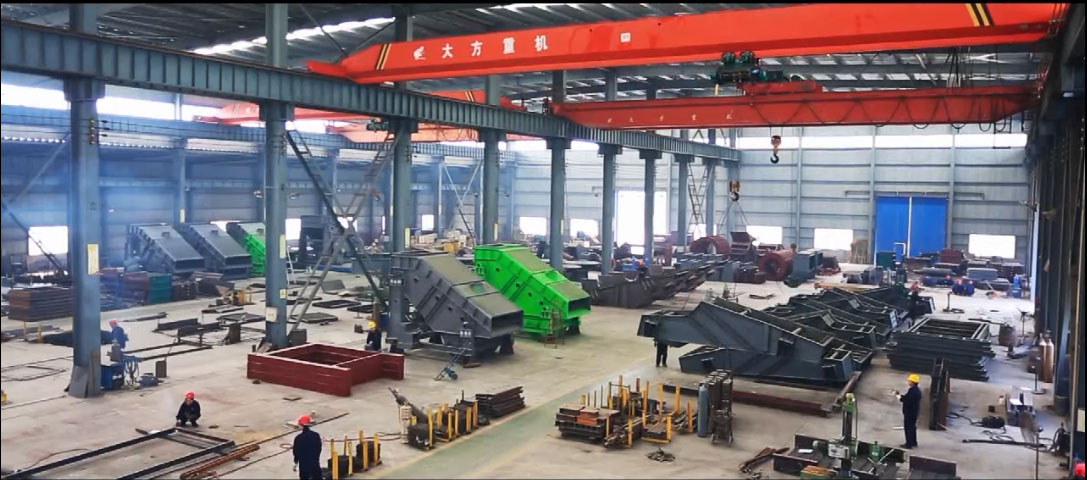
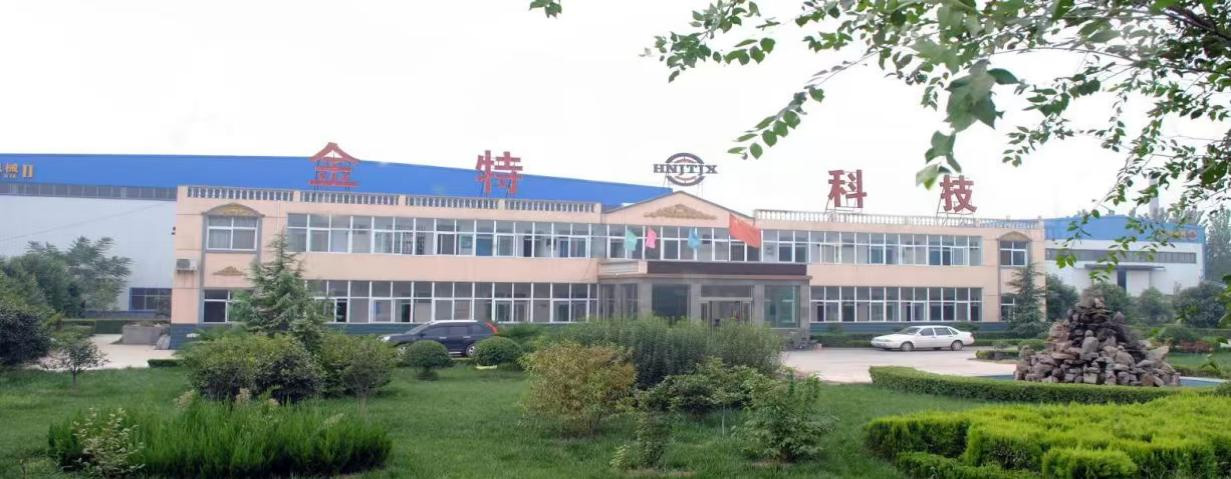
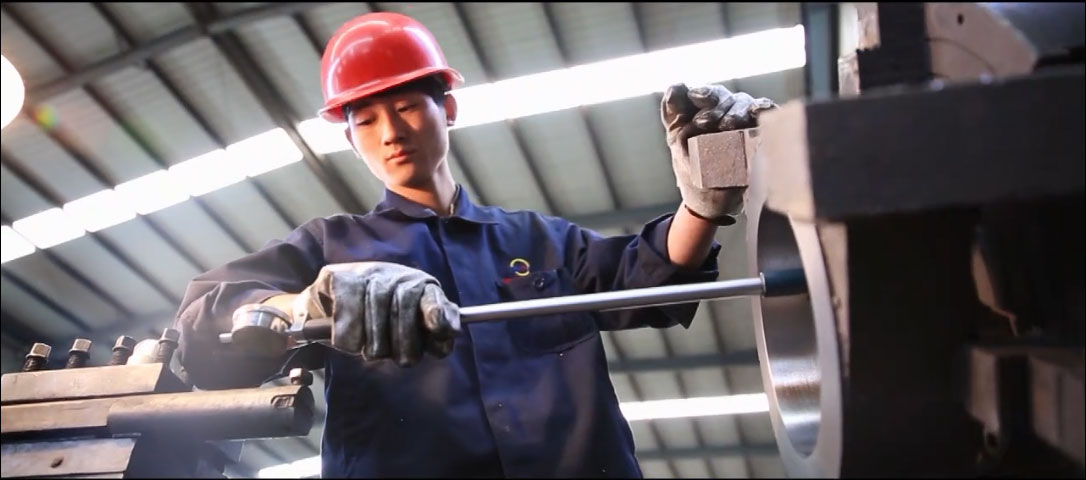
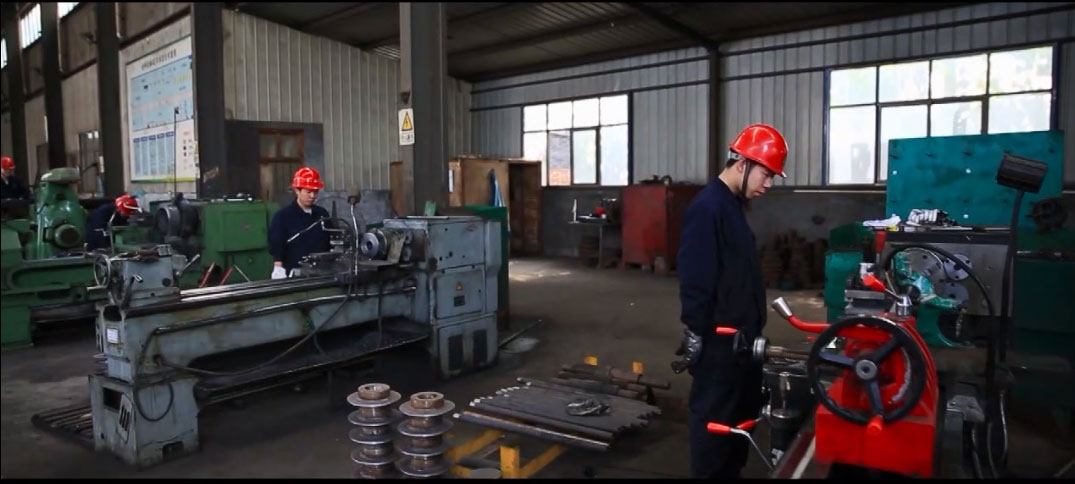
Henan Jinte Technology Co., Ltd., located in the Xinxiang Economic Development Zone, represents the pinnacle of modern manufacturing. Spanning a vast facility footprint of 26,000 square meters with over 80 sets of processing equipment, Jinte integrates advanced vertical CNC machining centers, automated cutting systems, automatic welding, and high-capacity lifting equipment capable of handling single loads exceeding 20 tons.
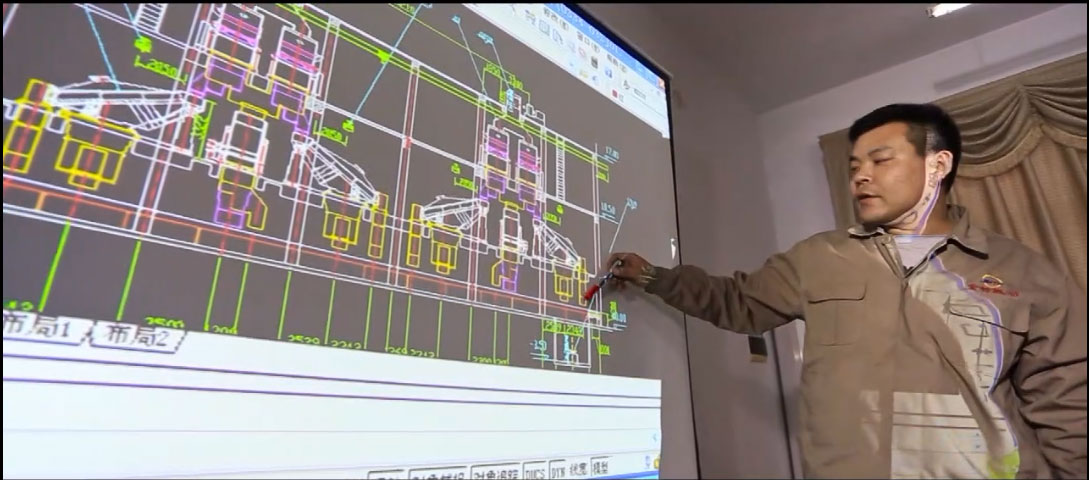
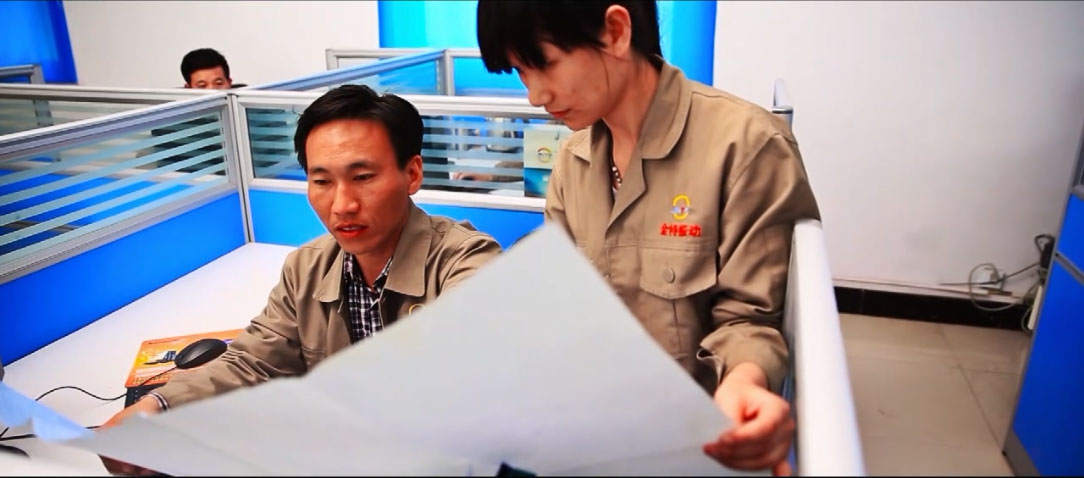
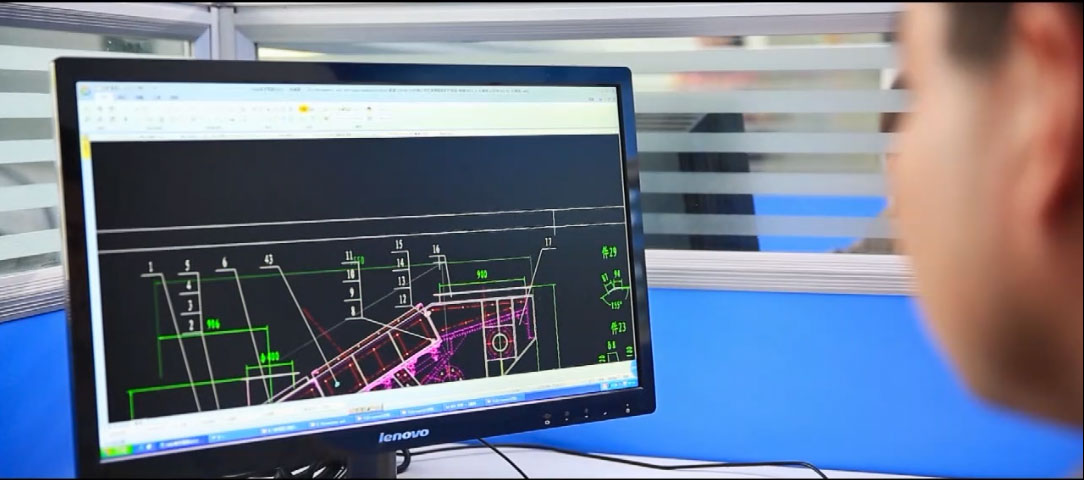
By employing state-of-the-art CAD workstations, CXAX 3D design software, and Finite Element Analysis (FEA) software, Jinte simulates dynamic stresses on conveyor shafts and hangers before production even begins. This ensures that every hanger assembly is optimized for structural integrity and optimal flow dynamics, reducing localized stress and preventing operational failures.
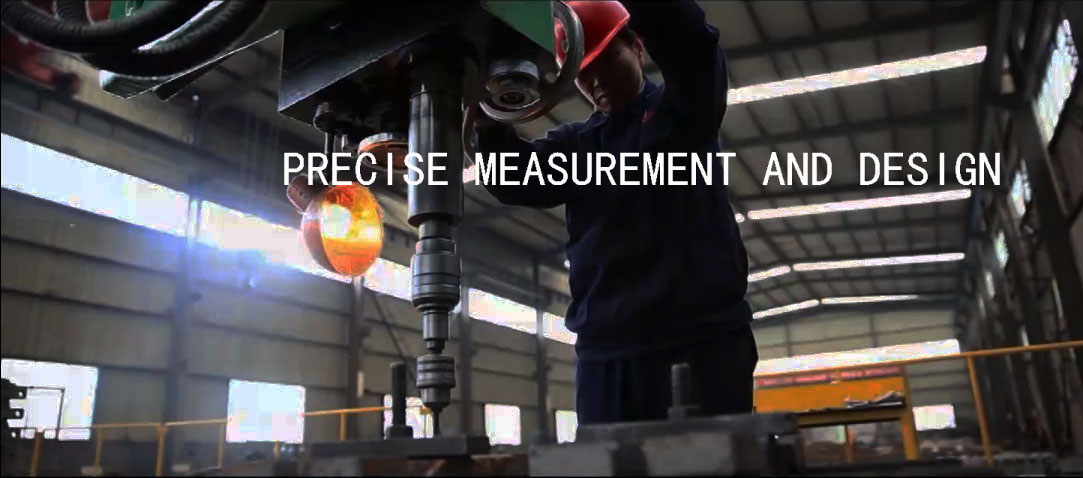
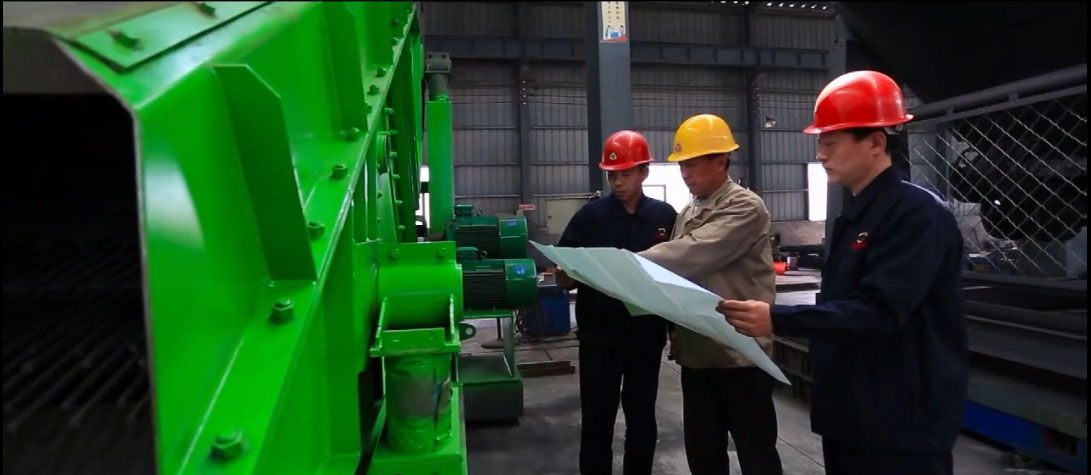
Our engineering team works closely with metallurgical labs to test and refine the materials used in our hanger bearings. Whether the application requires cast iron, cast steel, fabricated steel, stainless steel, or special bronze alloy housings, Jinte's machining capabilities guarantee tight tolerances (compliant with ISO and CEMA standards). This level of precision is essential for ensuring smooth shaft rotation and minimizing vibration in conveyor drives.
The choice of hanger bearing material is critical to the longevity of the conveying system. Different materials exhibit unique performance profiles when subjected to moisture, abrasive particles, high temperatures, or corrosive chemicals. Below is an engineering selection guide compiled by our product development department:
| Material Type | Max Temp (°F) | Abrasive Resistance | Corrosion Resistance | Best Suited Applications |
|---|---|---|---|---|
| UHMW-PE (Ultra-High-Molecular-Weight Polyethylene) | 180°F | Excellent | Outstanding | Food handling, wastewater treatment, chemicals, corrosive minerals. |
| Graphite-Impregnated Bronze | 500°F | Moderate | Good | High-temperature industrial processing, dry ovens, agricultural processing. |
| Hanger Wood (Oil-Impregnated Hardwood) | 160°F | Good | Moderate | Grain storage, agricultural feed mills, non-abrasive organic powders. |
| Stellite / Hard-Faced Alloy | 1200°F | Extreme | Excellent | Mining slimes, cement raw materials, hot ash recovery systems. |
| PTFE (Teflon) | 500°F | Low | Superior | Aggressive chemical reagents, high-temperature corrosive acids. |
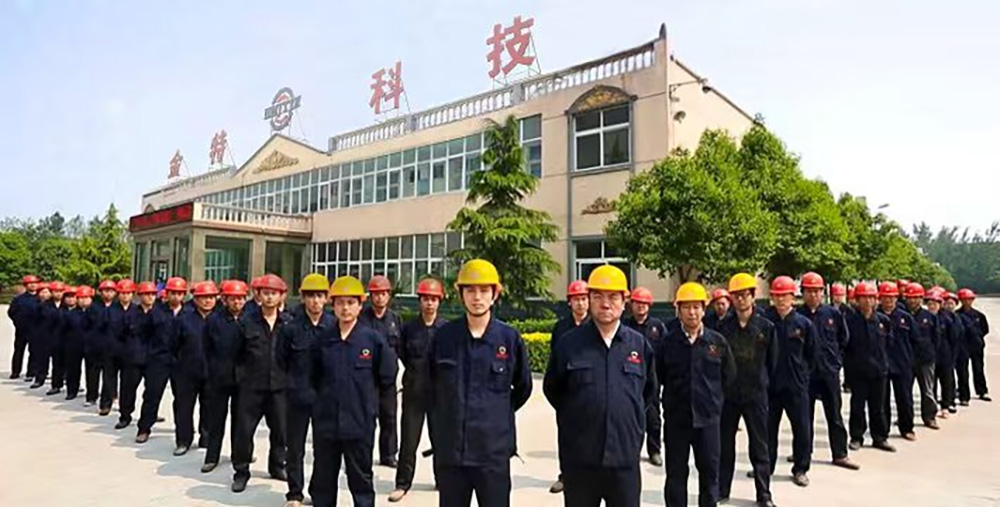
Established through roots dating back to 2000, Henan Jinte Technology Co., Ltd. has accumulated over 19 years of dedicated manufacturing and design expertise. Jinte has grown from a regional equipment shop into a prominent international provider of screening, vibrating, and conveying products. Our engineering team, comprising 45 specialized technical developers, is equipped to solve complex material handling challenges with military-grade precision.
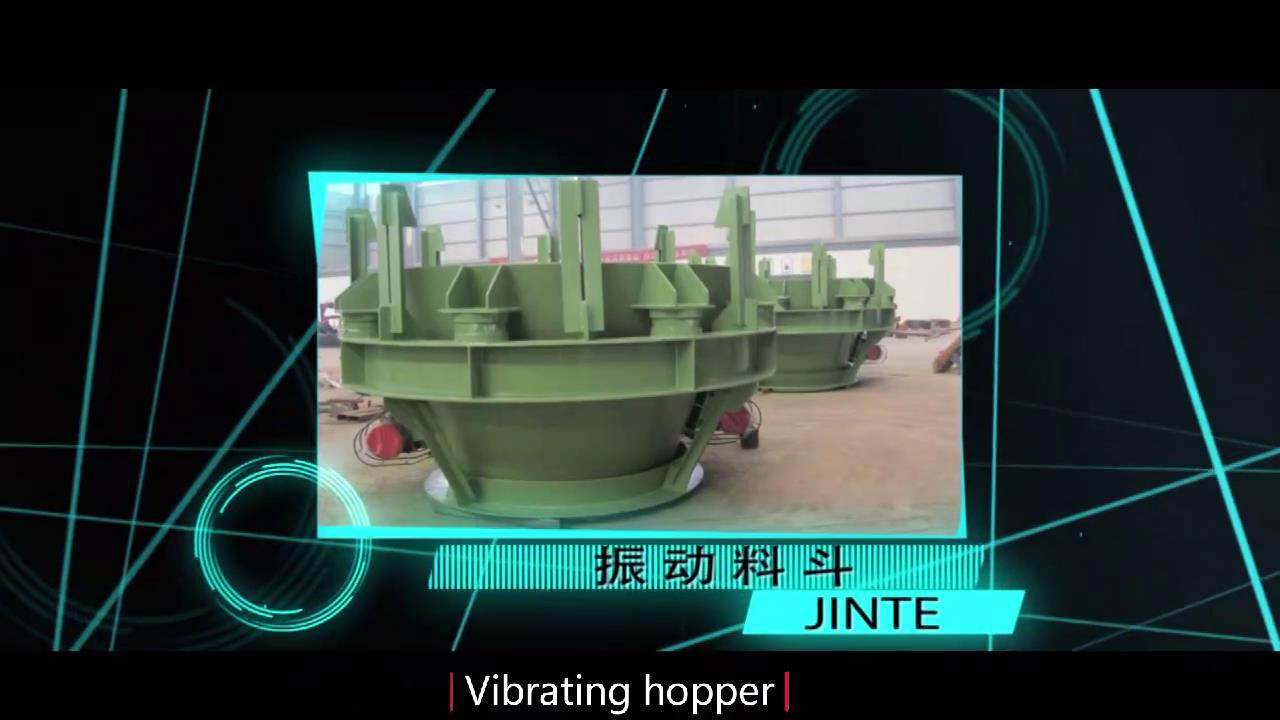
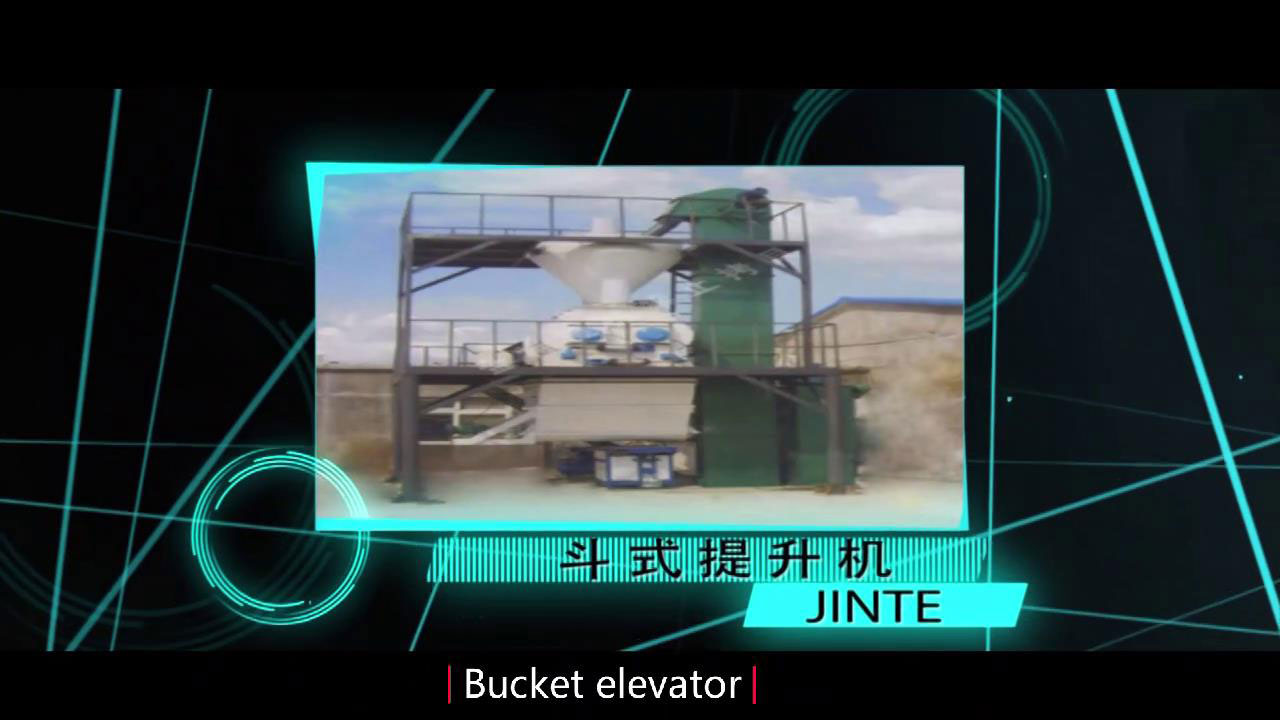
Jinte’s screening machinery and conveying equipment are utilized across diverse industries worldwide, including metallurgy, power generation, mining, coal processing, sand production, and chemical manufacturing. Through screening and efficient material transport, Jinte helps plants optimize raw material utilization, reduce energy consumption, and minimize environmental pollution—aligning with global green industrial initiatives.
Different industrial landscapes demand specialized hanger configurations. Here is how Jinte adapts hanger and bearing engineering to meet the needs of specific local and international sectors:

Hanger bearings fail primarily due to three factors: abrasive contamination, lack of lubrication, and shaft misalignment. When conveying fine powders, particles migrate into the bearing interface, acting as an abrasive compound that accelerates wear. Furthermore, if the screw flights are not aligned with high precision, cyclic radial loads stress the hanger frames, leading to mechanical fatigue and failure. Utilizing self-lubricating, dust-impervious polymer bearings from Jinte helps mitigate these risks.
U-trough hangers are ideal for applications requiring regular maintenance, cleanout, or inspection, as the top cover of a U-trough is easily removable. Tubular hangers, on the other hand, are engineered for complete material containment, dust prevention, and high-pressure situations, though they require sliding the conveyor sections out axially for service. Your choice should depend on whether dust containment or ease of maintenance is the priority for your facility.
We utilize CXAX 3D modeling and Finite Element Analysis (FEA) to simulate the distribution of physical load along the length of the screw conveyor. We calculate deflection using standard beam deflection formulas, taking into account the bulk density of the material, screw rotation speed, and torque. By optimizing hanger spacing (typically every 10 to 12 feet) and using precision-turned coupling shafts, we keep deflection well below the critical threshold (typically 1/4 inch or less) to ensure smooth operation.
Oil-impregnated hardwood bearings are self-lubricating and highly effective in agricultural and grain conveying systems. They handle organic dust exceptionally well, absorb minor shaft vibrations, and do not require external liquid lubricants that could spoil or contaminate the grain. This makes them a cost-effective and food-safe option for many farming and milling plants.
Yes. For temperatures exceeding 500°F, standard plastic or wood bearings will degrade rapidly. In these situations, Jinte recommends utilizing graphite-impregnated bronze bearings, cast iron bushings, or hard-faced alloy sleeves (such as Stellite). These components can withstand thermal expansion and maintain structural integrity up to 1200°F, which is ideal for metallurgy, calcining, and fly ash systems.
Through our Factory 4.0 infrastructure, we maintain a digital database of CEMA and ISO standard configurations. When a client requests a custom dimension, our engineering team can modify the CAD file within hours, perform FEA simulation, and send the program directly to our CNC plasma cutters and multi-axis machining centers. This digital workflow reduces preparation time and ensures that custom orders are manufactured with minimal lead times.
Providing reliable material handling and screening equipment to clients worldwide, backed by responsive engineering support.
We manufacture over 700 varieties of screening machines, vibrator motors, conveyors, and related support components.