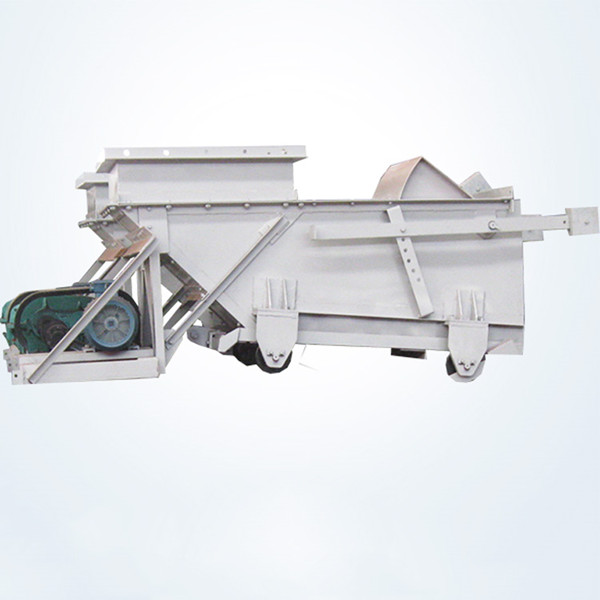
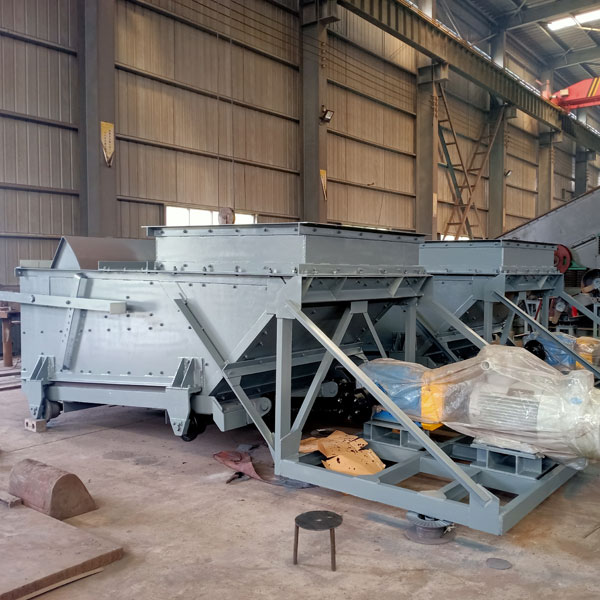
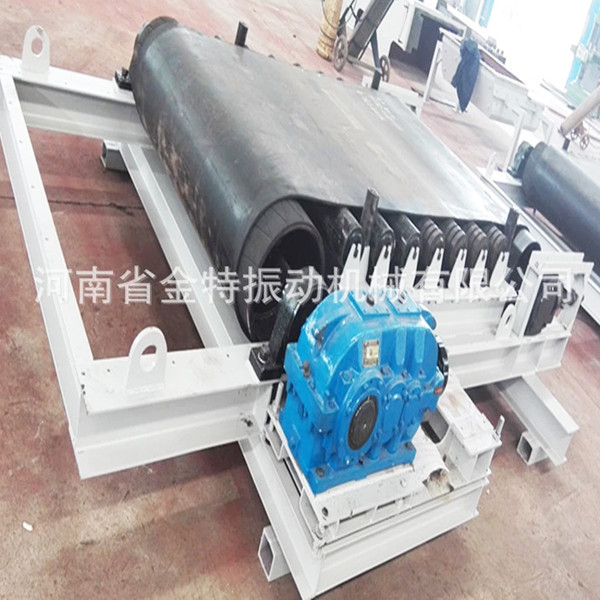
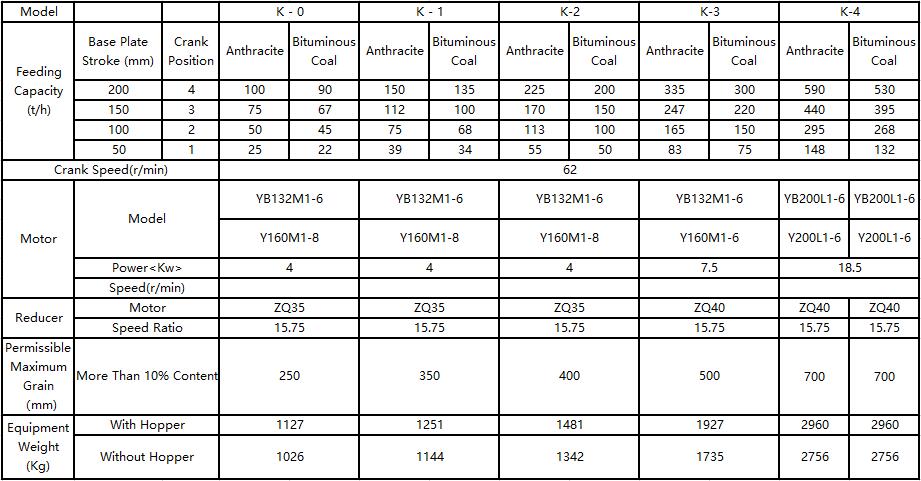
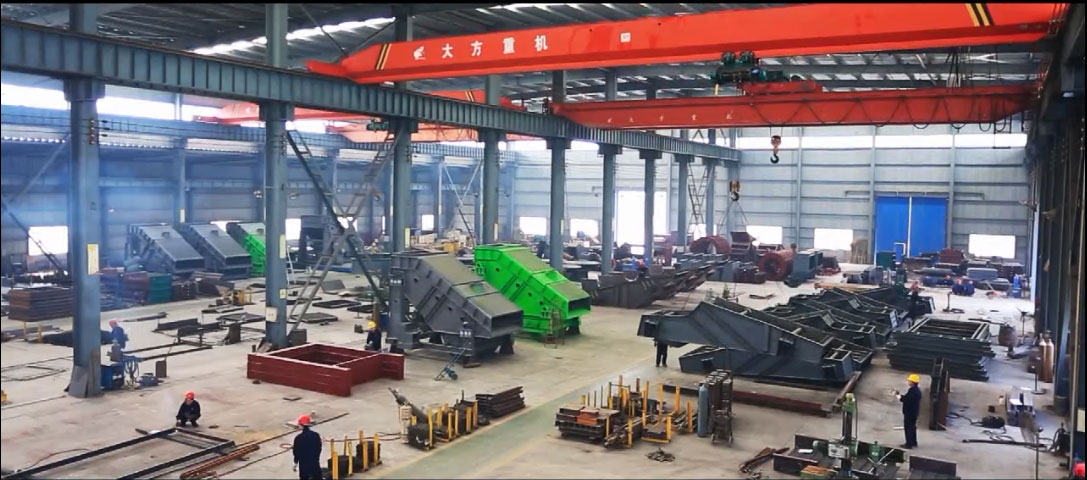
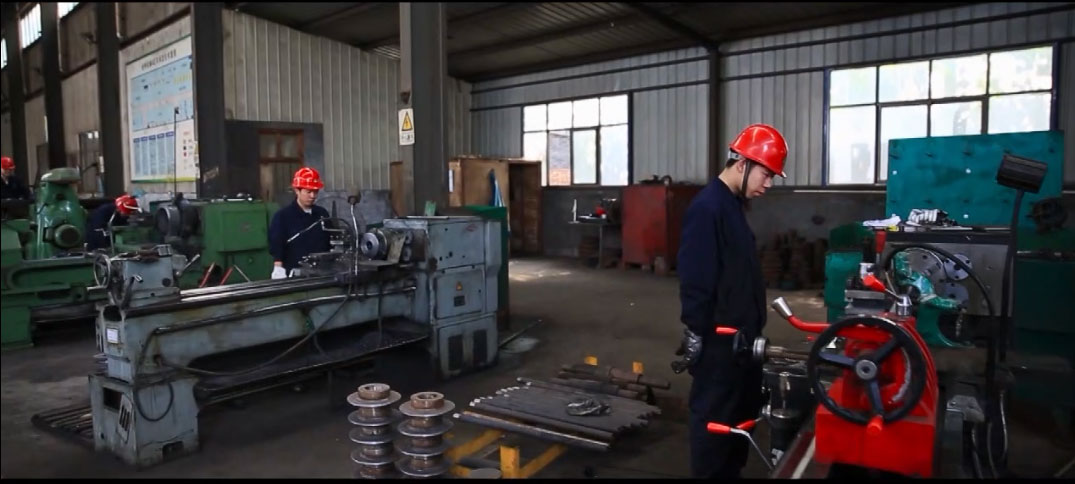
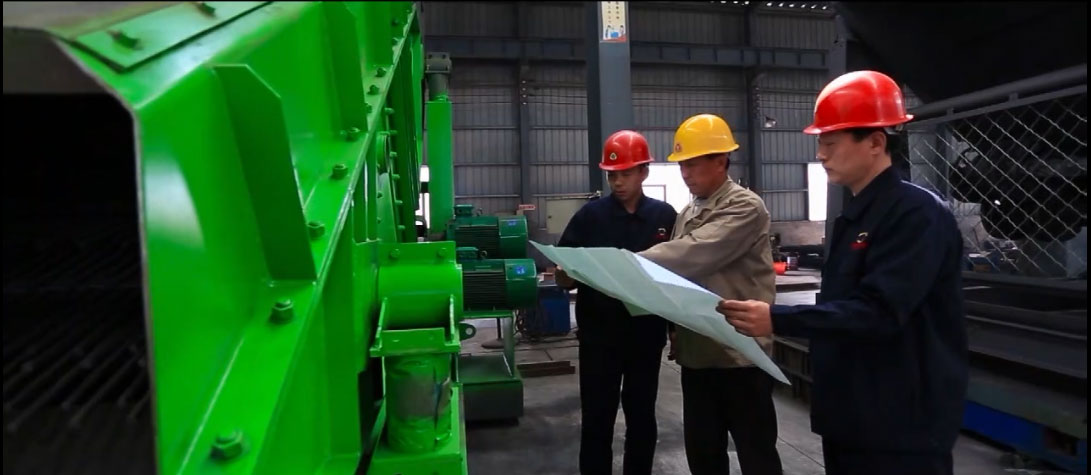
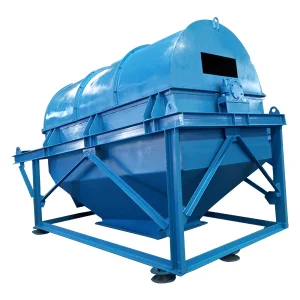
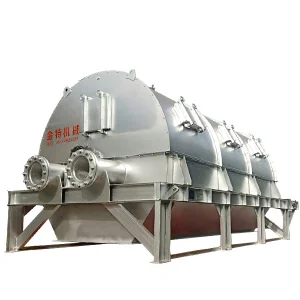
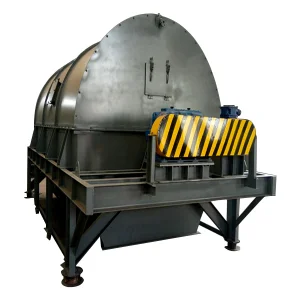
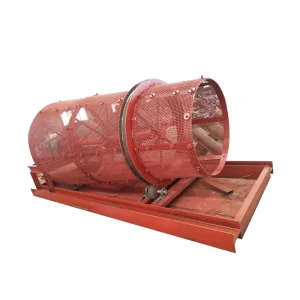
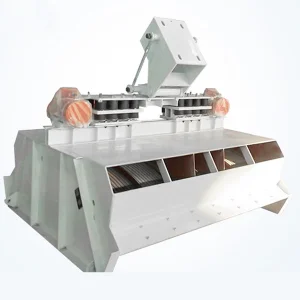
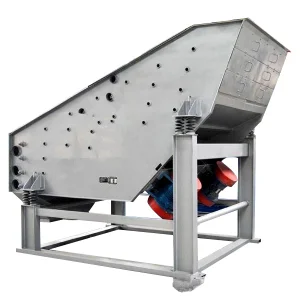
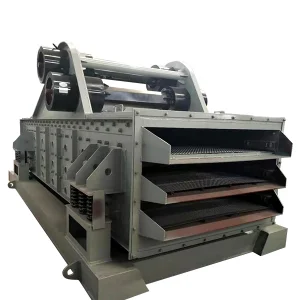
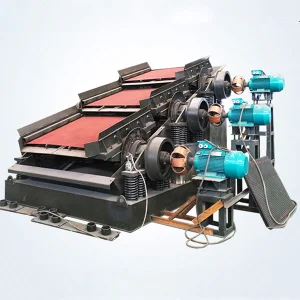
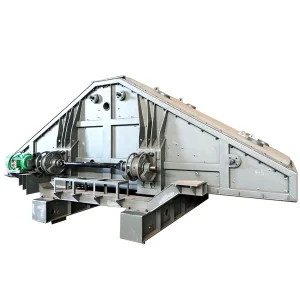
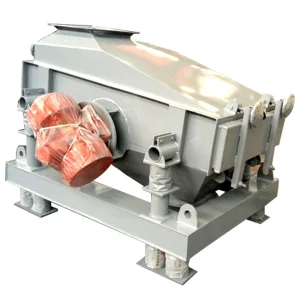
Introduction: K-type reciprocating feeder (Coal Mine Vibrating Feeder) is to use the crank-connecting rod mechanism to drag the bottom plate down 5° to do straight reciprocating movement on the roller, so as to discharge coal or other loose granular, powder materials from the feeding equipment to the receiving equipment uniformly.
The Vibrating Feeder can transfer bulk materials through the silos to the rubber belt conveyor, screening equipment, or jaw crusher, etc. The Feeding Machine is installed under the hopper, and the transmission device is suspended, which can be divided into several types according to the size of feeding quantity: K1, K2, K3, K4 and so on.
Key Features & Advantages
Wear-Resistant Lining: The lining plate is composed of small pieces of wear-resistant steel plate, which is light and easy to replace targeted to actual wear conditions, reducing maintenance costs.
High Capacity: The maximum feeding capacity can reach 1200 tons/hour (coal), which is the larger reciprocating feeder currently available.
Balanced Drive: The drive device is arranged symmetrically with a double push rod to balance the force, ensuring smooth transmission and eliminating torsion swing.
Advanced Reducer: Plane secondary enveloping ring mule rod reducer provides large bearing capacity and high transmission efficiency.
Leakage Control: Adjustable seams between side, inclined, and bottom plates allow for accurate control and reduction of leakage.
Overload Protection: Equipped with a limited torque hydraulic coupling for full-load starting and overload protection.
The bottom plate features vertical rib plates supported by a three-way long roller, which guarantees the rigidity of the plate and eliminates bending deformation defects. The closed frame structure significantly improves rack stiffness, ensuring reliable operation, long service life, and convenient installation.
Frequently Asked Questions (FAQ)
What is the primary function of the K-type reciprocating feeder?
It uses a crank-connecting rod mechanism to move a bottom plate in a straight reciprocating motion, uniformly discharging bulk materials like coal, powder, and granules from silos to receiving equipment.
What is the maximum handling capacity of this machine?
The maximum feeding capacity can reach up to 1200 tons per hour, making it one of the largest reciprocating feeders available for coal and mining industries.
How does the design prevent material leakage?
The equipment features adjustable seams between the side lining board, inclined lining board, and bottom plate, allowing for precise gap control to minimize material leakage.
Is the feeder protected against mechanical overload?
Yes, it is equipped with a limited torque hydraulic coupling that allows the machine to start under full load and provides integrated overload protection.
What makes the lining plates cost-effective for maintenance?
The lining is composed of small, wear-resistant steel plates. This design allows operators to replace only the specific pieces that are worn rather than the entire plate, reducing material waste and maintenance costs.
Which industries typically use the K-type feeding machine?
It is widely used in mining, coal processing, metallurgy, iron ore workshops, port bulk material wharfs, and various material transfer stations.