Introduction
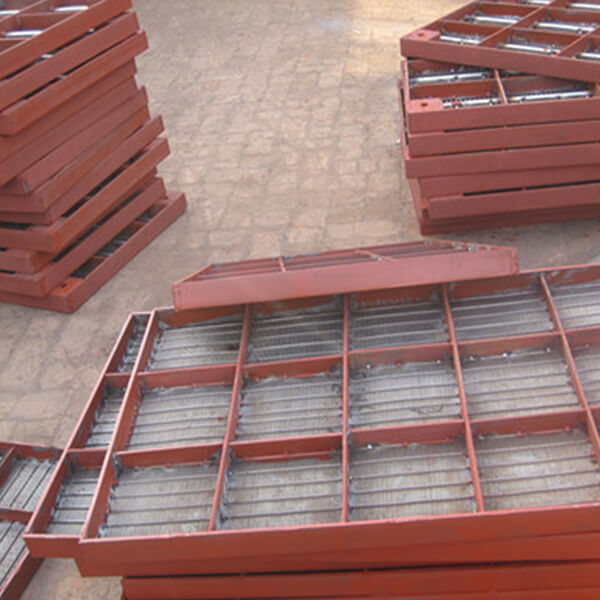
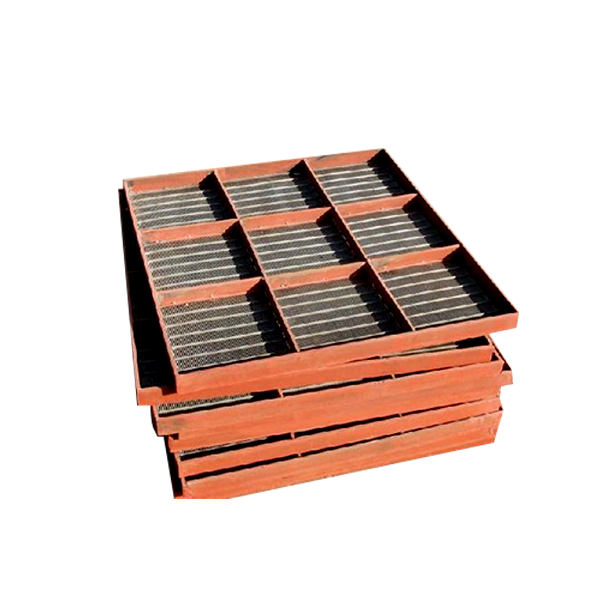
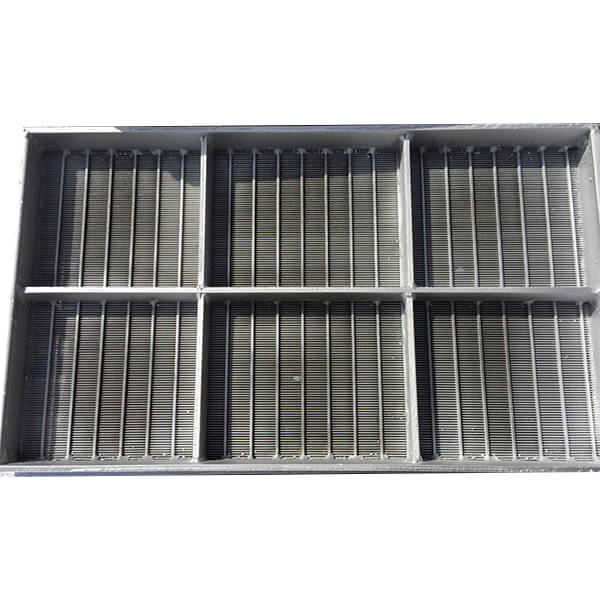
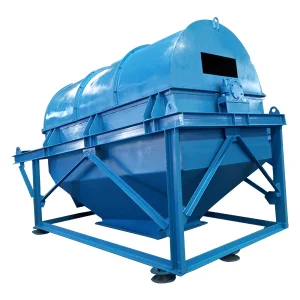
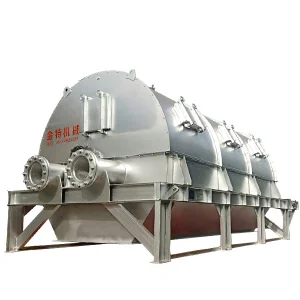
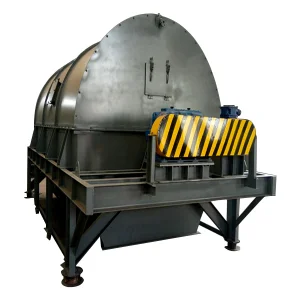
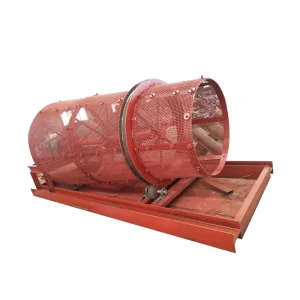
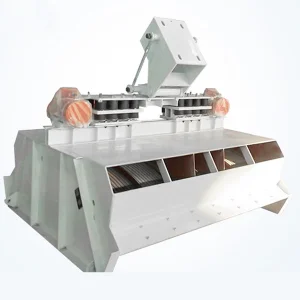
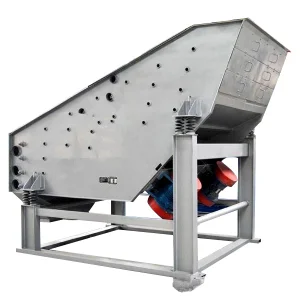
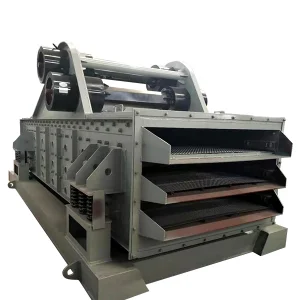
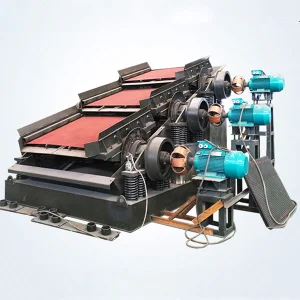
The stainless steel sieve plate is a metal mesh structure element used for screening and filtering. The sieve plate is widely used in screening, filtration, dehydration, de-silting and other operations in many industries. It has high strength, steel degree and carrying capacity, and can be made into various shapes of steel screening filter device.
Materials
-
✓
Low carbon steel wire
-
✓
High manganese steel wire
-
✓
Stainless steel wire
Features
-
●
Easy leakage, wear resistance and corrosion resistance.
-
●
The mesh section is trapezoidal. The gap is narrow above and wide below.
Applications
-
➤
Mining, coal, oil, fertilizer, food, salt, environmental protection and other industries.
-
➤
Sieve plate for vibrating dewatering screen.
-
➤
Sieve plate for vibrating screen.
Frequently Asked Questions
1. What are the common materials used for sieve plates?
Sieve plates are typically manufactured using low carbon steel wire, high manganese steel wire, or high-quality stainless steel wire for enhanced durability.
2. Why is the mesh section of a sieve plate designed as a trapezoid?
The trapezoidal design features a narrow gap at the top and a wider gap at the bottom, which facilitates easy leakage and prevents clogging during the screening process.
3. In which industries are stainless steel sieve plates most commonly used?
They are widely utilized in mining, coal processing, petroleum, fertilizer production, food processing, salt production, and environmental protection industries.
4. What primary functions do sieve plates perform?
Sieve plates are essential for various industrial operations including screening, filtration, dehydration, and de-silting.
5. Do sieve plates have a high load-bearing capacity?
Yes, sieve plates are designed with high strength and structural steel degree, providing excellent carrying capacity for heavy-duty screening tasks.
6. How does the sieve plate resist wear and corrosion?
The use of specialized materials like stainless steel and high manganese steel ensures that the sieve plate remains resistant to corrosion and mechanical wear over long periods.