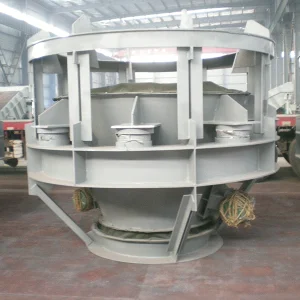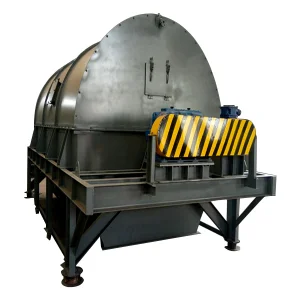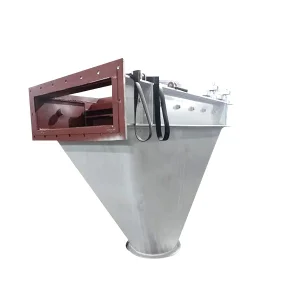
In modern pulp manufacturing, the primary stage of fiber filtration and contaminant separation represents a critical operational bottleneck. A rotary drum screen engineered specifically for pulp lines executes key mechanical processing steps: it fractionates incoming fibers, isolates macro-contaminants (shives, knots, plastics, and debris), and ensures consistent stock feed quality to downstream pressure screens and refiners.
As global paper mills face tighter environmental regulations and raw material variation—particularly with the high fluctuation in OCC (Old Corrugated Containers) and agricultural straw fibers—the mechanical stability of rotary screen systems becomes paramount. Standard designs often succumb to screen basket blinding, rapid wedge wire abrasion, and premature shaft seal failures, leading to costly unscheduled downtime.
Henan Jinte Technology Co., Ltd. addresses these systemic issues by combining high-precision manufacturing, optimized hydraulic flow configurations, and high-wear-resistant materials. The goal is simple: deliver high-throughput, low-maintenance separation systems that maximize fiber yield while minimizing energy expenditure.
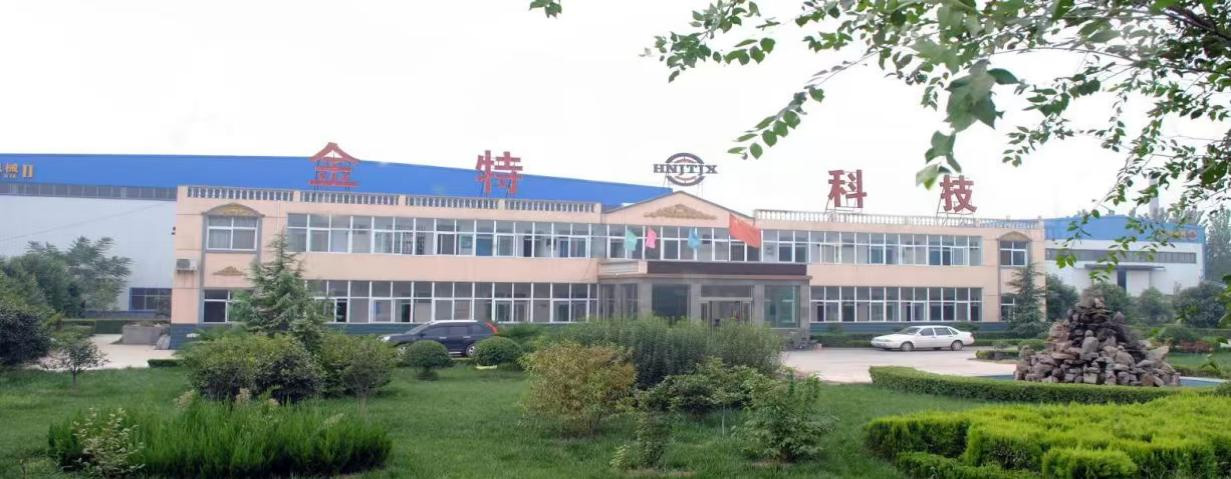
The global pulp and paper industry is transitioning toward high-capacity production layouts, aiming to process between 1,000 and 3,500 bone-dry tons per day (TPD) on single lines. This massive scale requires equipment that can withstand high hydraulic loads. Procurement directors in Europe, Southeast Asia, and South America focus their evaluations on several parameters:
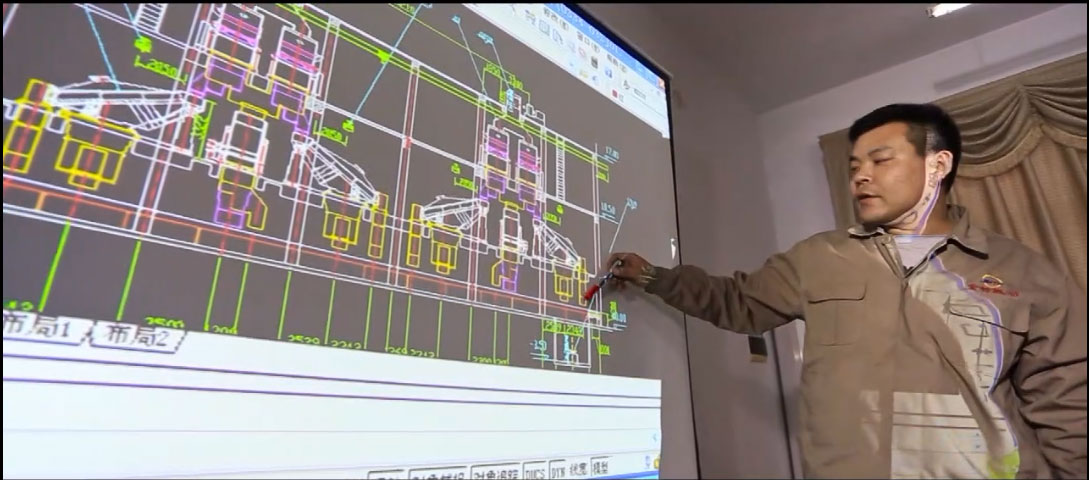
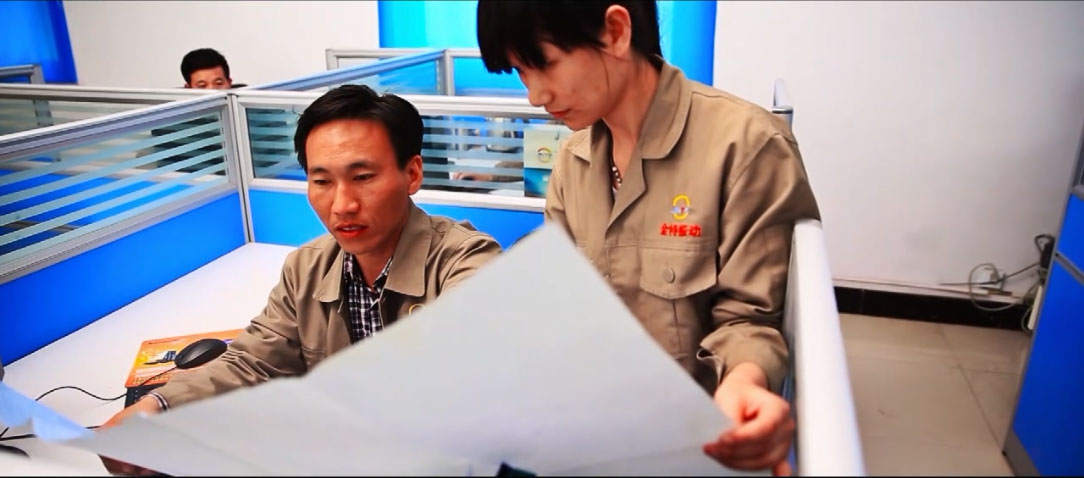
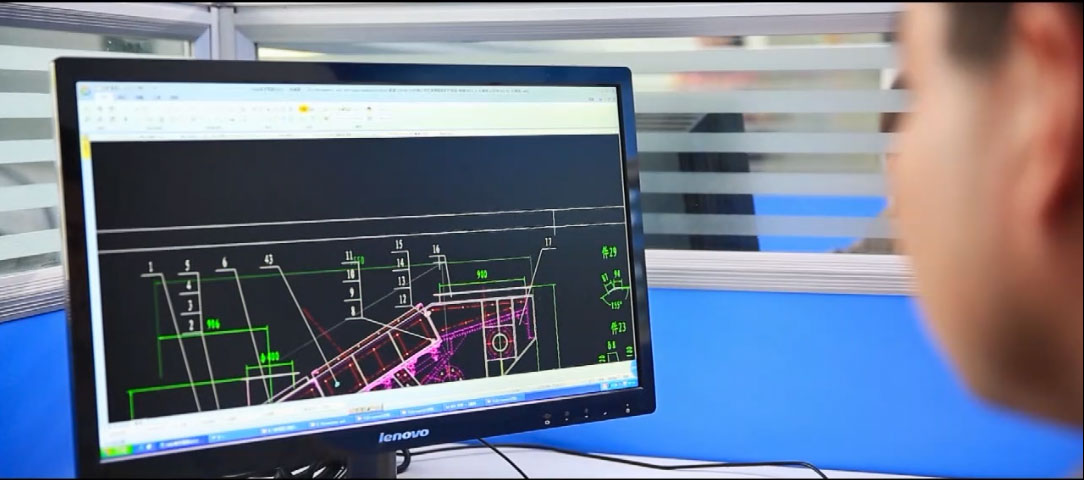
In response to these demands, Jinte's design processes utilize CAXA 3D software and Finite Element Analysis (FEA) to simulate dynamic stresses inside the rotating cylinder. This design approach prevents structural failure and extends bearing life under continuous loads.
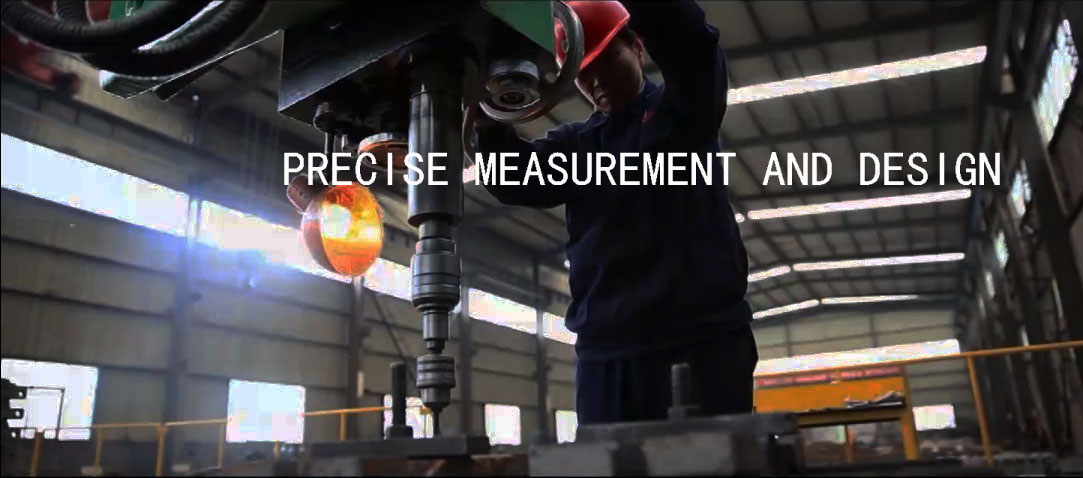
Our manufacturing complex in the Xinxiang Economic Development Zone, Henan, China, utilizes advanced manufacturing processes to deliver high-quality screening systems. By integrating heavy-duty raw material sourcing, automated processing, and comprehensive quality control, we build resilience and consistency into every product.
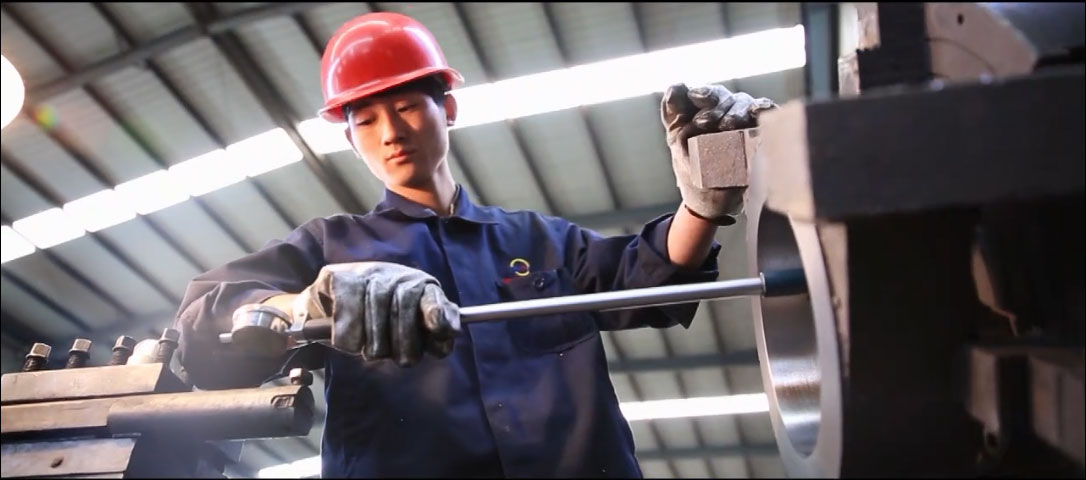
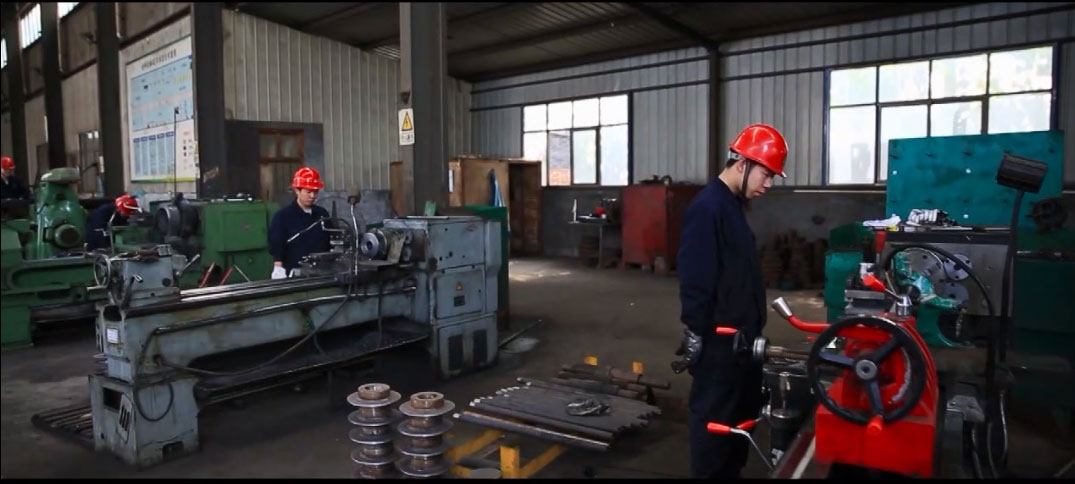
Our 25,000-square-meter facility features automated vertical CNC machining centers, CNC automatic flame cutting machinery, heavy bending and shearing systems, automatic shot-blasting, and overhead crane systems handling over 20 tons in a single trip. These capabilities ensure precision alignment of major rotating components, preventing shaft misalignment and structural vibration.
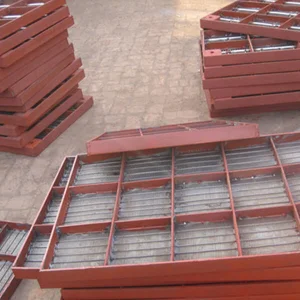
By producing components in-house—including laser-cut stainless steel sieve plates and heavy-duty frame assemblies—we maintain close control over tolerances. This vertical integration buffers our customers against global supply chain disruptions, allowing us to offer predictable delivery schedules and consistent pricing for wholesale exports to Iran, India, Central Africa, and Southeast Asia.
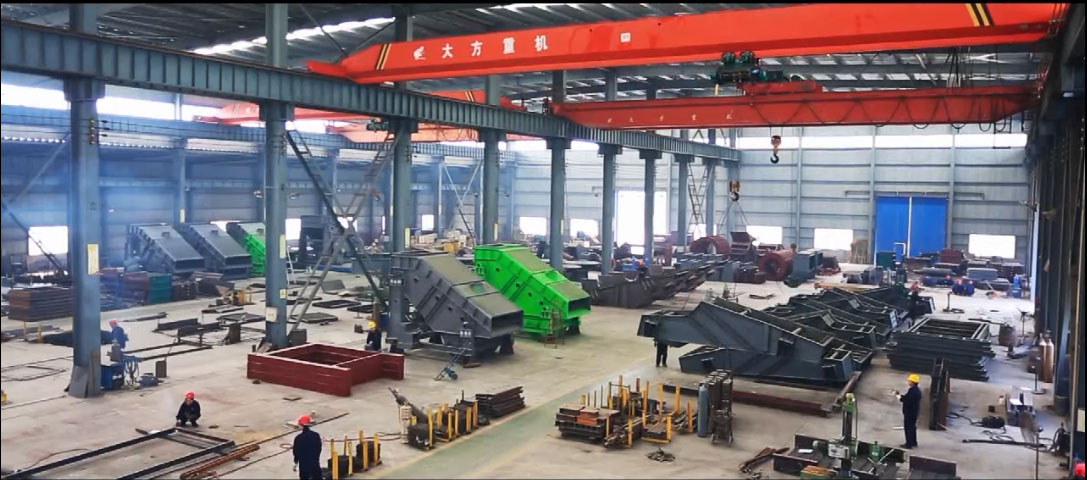
We use advanced software to simulate structural loads, harmonic resonance, and fluid dynamics. This design process eliminates structural weaknesses and optimizes energy consumption before production begins.
Our vertical machining centers run automated cutting, boring, and milling operations. This ensures dimensional accuracy, helping to extend the life of our bearings and mechanical seals.
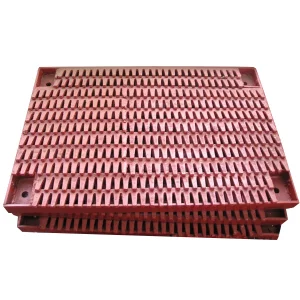
Our screen plates feature precision laser-cut perforations and wedge wire profiling. This design ensures accurate slot dimensions, maximizing fiber retention while allowing water and chemicals to drain efficiently.
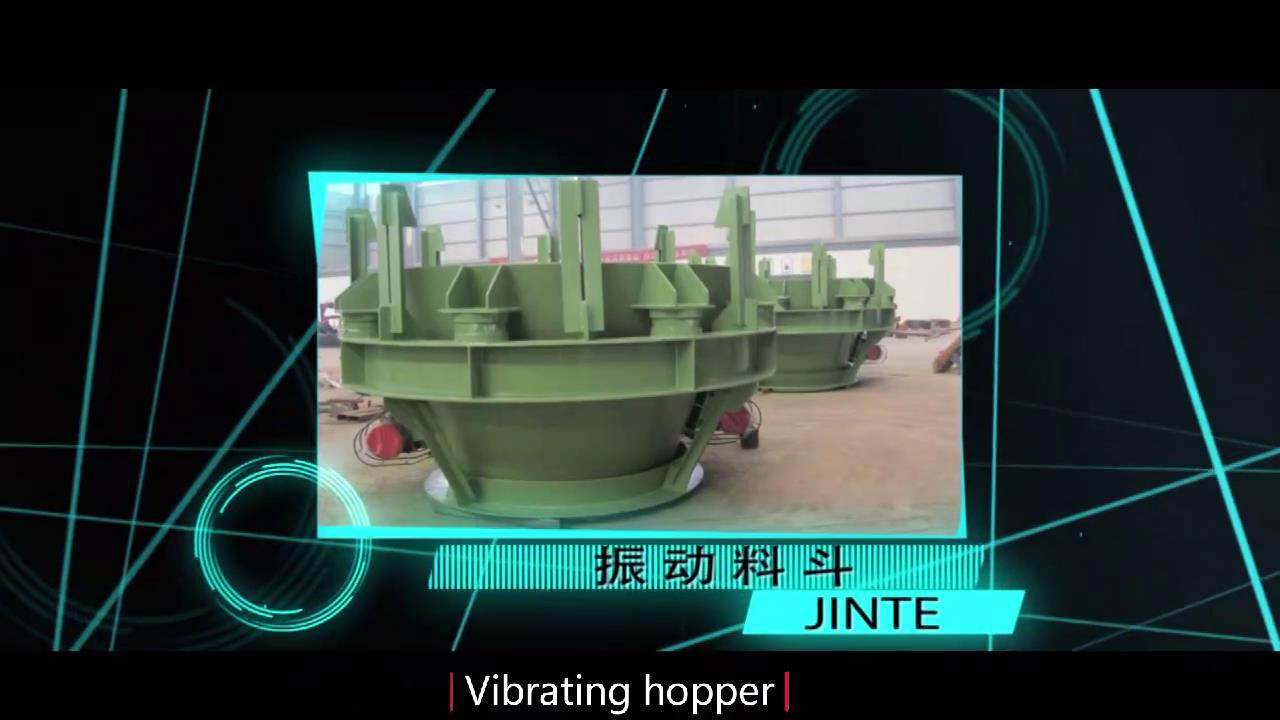
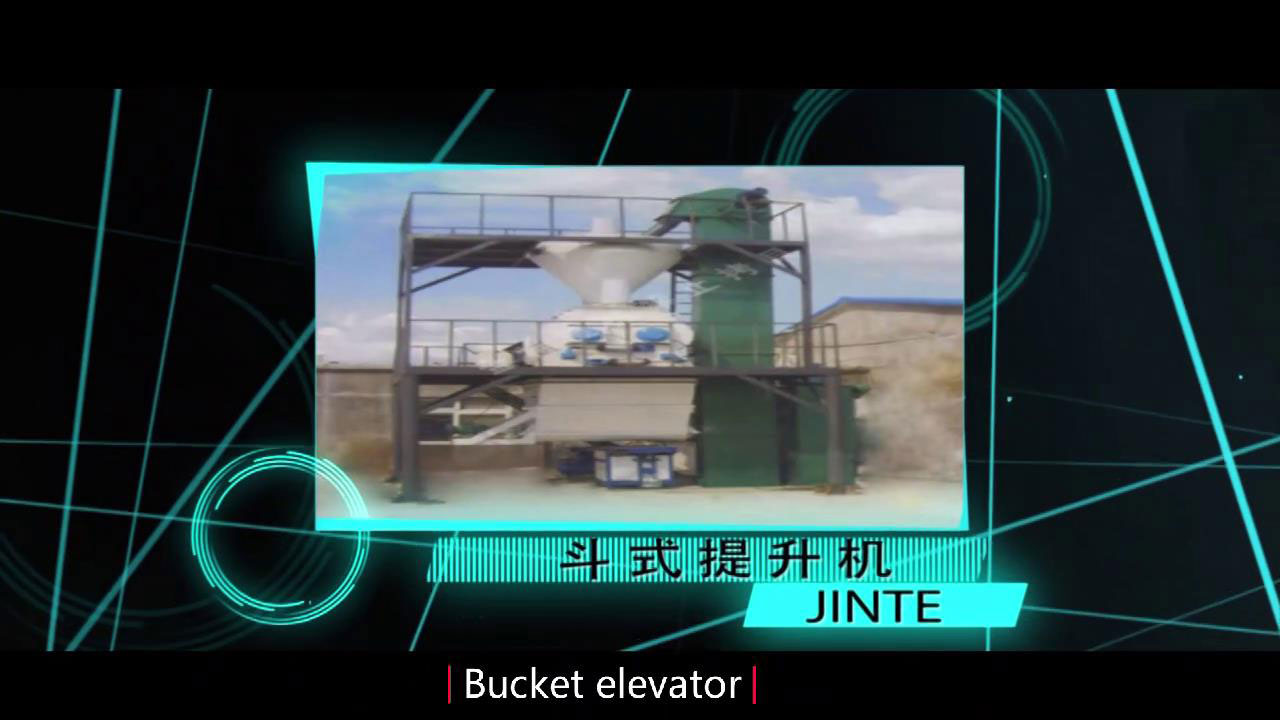
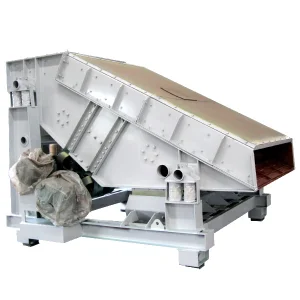
Industrial processing equipment requires field validation under realistic operating conditions. Our drum screens and vibrating separators are deployed globally in demanding pulping applications:
A regional packaging manufacturer faced high levels of micro-plastics and wax in their recycled stock, which caused frequent plugging of their fine pressure screens. Installing a Jinte Rotary Drum Screen with customized 1.2mm perforations allowed them to isolate contaminants at the primary stage, reducing downstream screen maintenance by 40% and increasing total line uptime.
For a chemical pulp manufacturer handling hardwood kraft pulp, fiber loss during washing was a major efficiency issue. We supplied custom stainless steel wedge-wire drum screens with automated spray systems. This configuration lowered the carry-over of usable fiber in the reject stream to under 0.5%, yielding raw material savings.
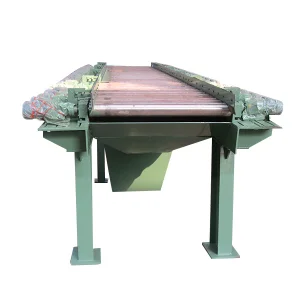
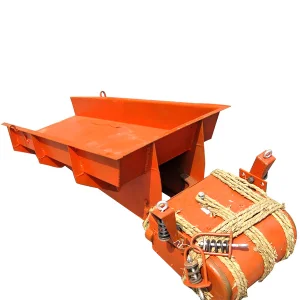
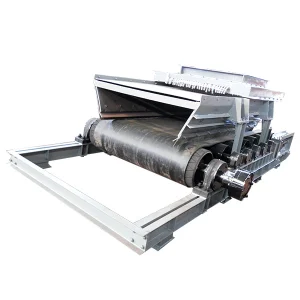
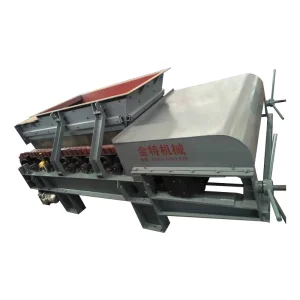
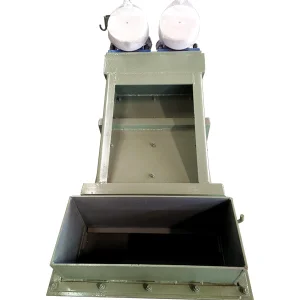
An agricultural straw pulping facility struggled with high silica and sand content, which caused rapid wear on their equipment. Jinte supplied hard-faced, wear-resistant stainless steel sieve plates and matching electromagnetic vibratory feeders. This combination stabilized the system's feed rate and extended the run life of the screen components.
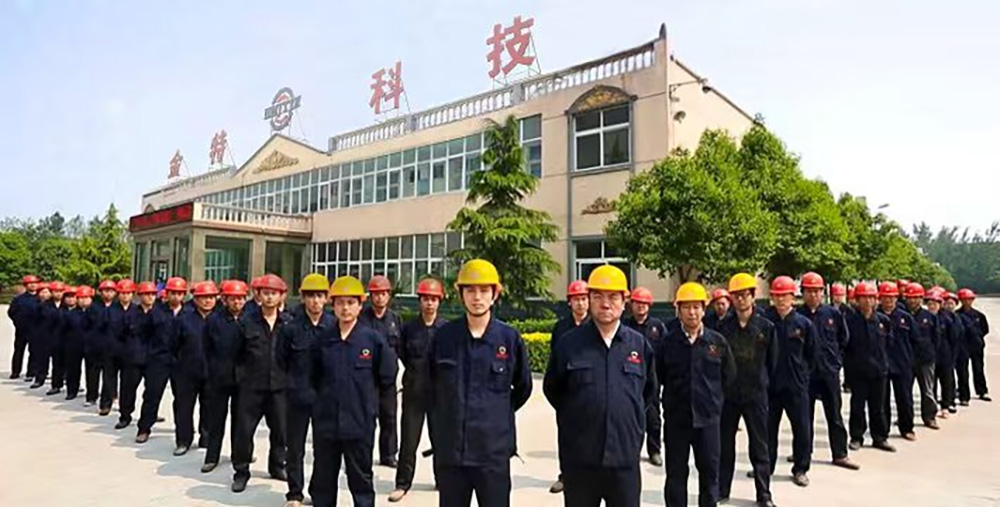
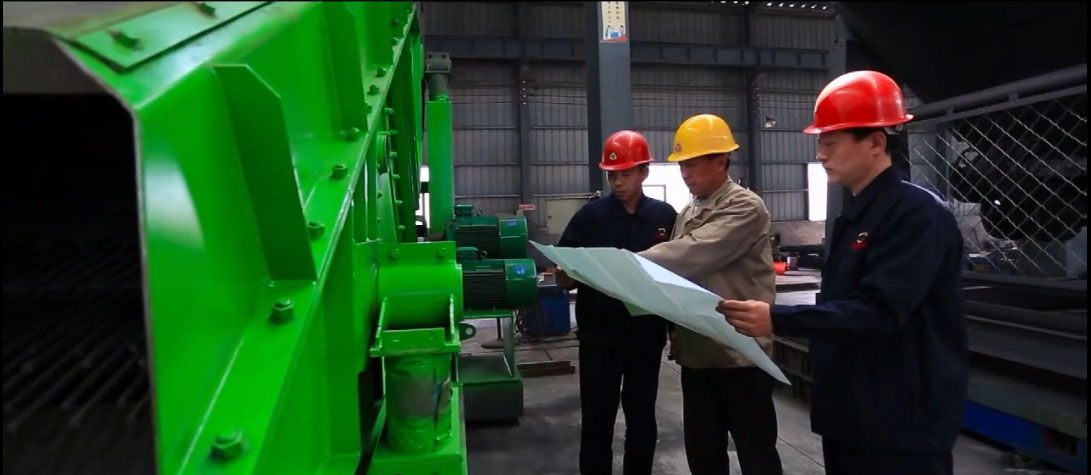
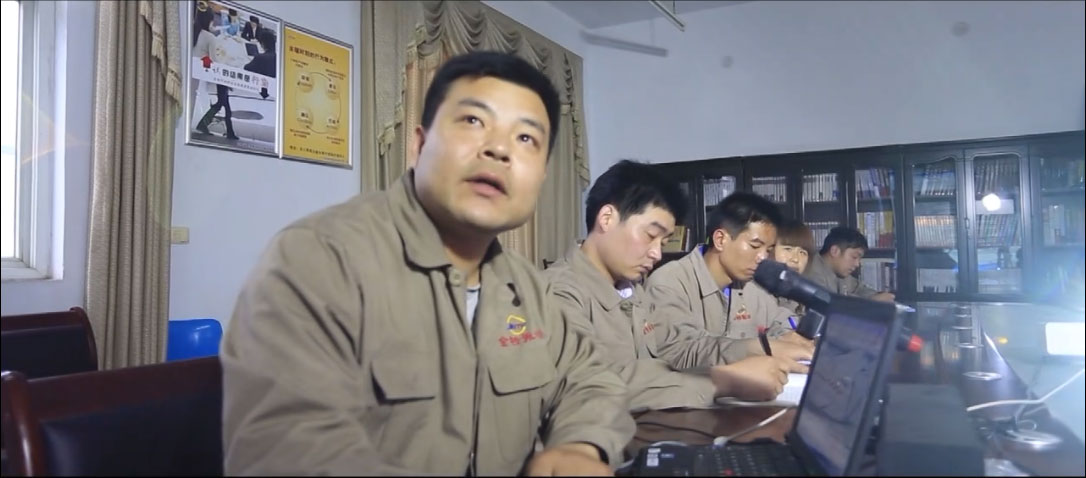
Behind our products is a dedicated team of over 240 staff, including 45 specialized engineers and product designers. Our technical team works directly with our clients' engineering staff to adapt equipment to specific layouts, flow rates, and chemical requirements.
Our quality assurance program tracks each phase of manufacturing, from verifying incoming steel plates to checking dynamic balance, shaft alignment, and vibration characteristics during final testing. Every drum screen undergoes a factory acceptance test (FAT) prior to crating and export, helping to ensure smooth installation and startup at the mill site.

Industrial machinery exports require reliable logistics, careful documentation, and durable export packaging. Our export services team manages international deliveries across major transport corridors, working to ensure safe and timely arrival at your facility.
By coordinating ocean, rail, and heavy overland transport, we supply equipment directly to project sites in the Middle East, South Asia, Africa, and Southeast Asia. We also coordinate custom clearances and provide technical installation guides, supporting seamless onsite commissioning for local contracting teams.