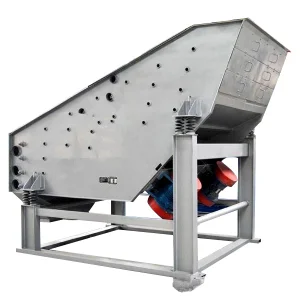
 Wholesale GLS Type High Quality Probability Vibrating Screen
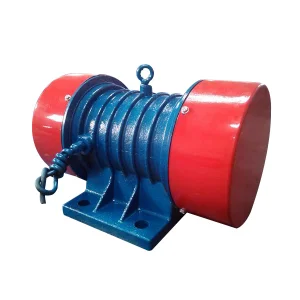 China YZO series vibrating motor Suppliers
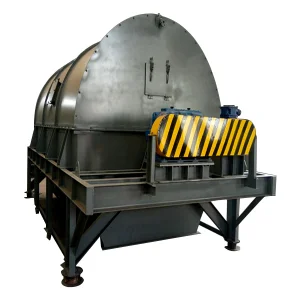 Wholesale Drum Screen for Coal Slurry Factory
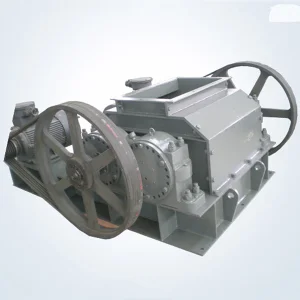 Wholesale PLF Type Double Roll Crusher
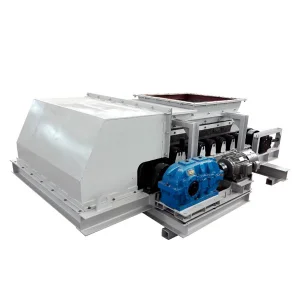 Wholesale Vibrating Belt Feeder Factory
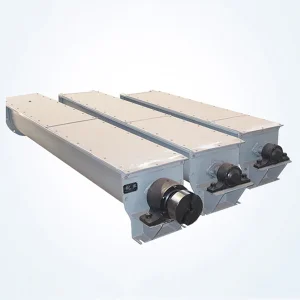 Wholesale LS (GX) Type Flexible Screw Conveyor
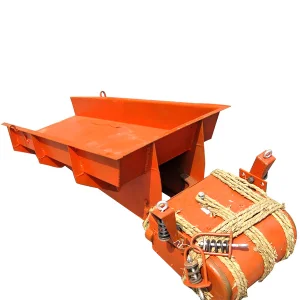 China GZ Automatic Electromagnetic Vibrating Feeder
 China ZFK Type Vibrating Dipping Machine
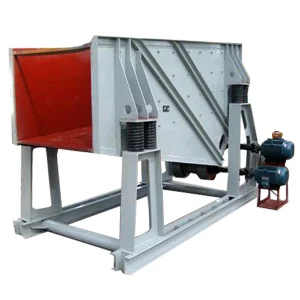
In the modern industrial landscape, the Linear Vibrating Screen stands as a cornerstone technology for material separation. As a leading manufacturer based in Henan, China, Henan Jinte Technology Co., Ltd. integrates decades of engineering expertise with cutting-edge manufacturing processes. This white paper serves as a comprehensive guide to understanding the Working Principle of Linear Vibrating Screens, their economic valuation, and the strategic advantages of the Chinese supply chain.
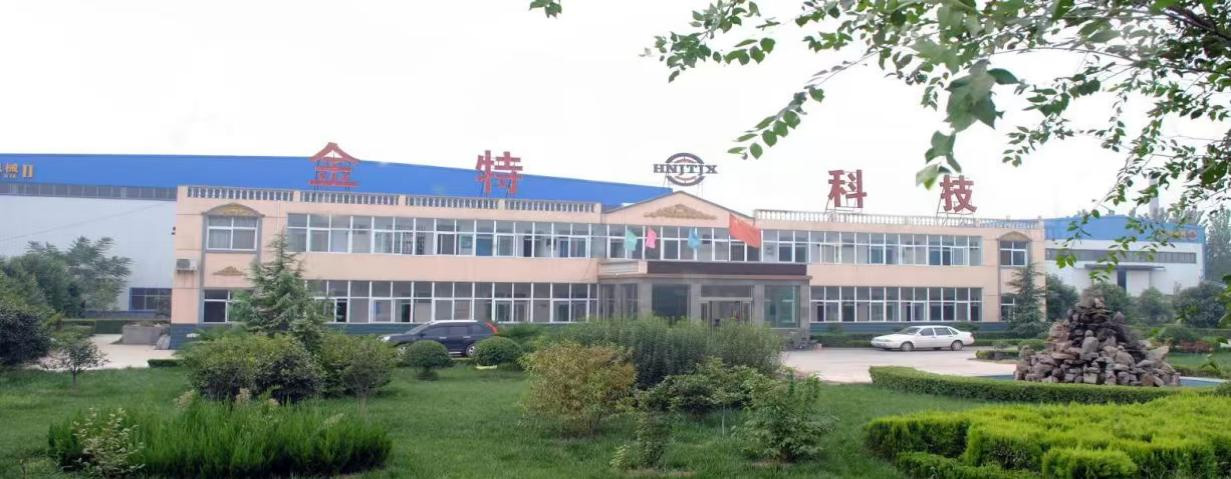
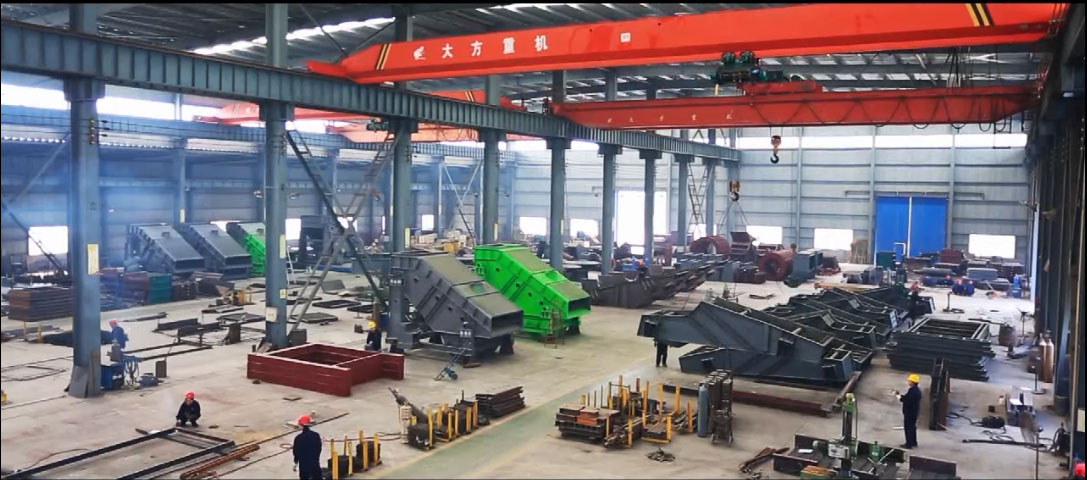
Henan Jinte Technology Co., Ltd. was officially registered in 2018, evolving into a mid-to-large-scale international enterprise. Our focus encompasses the design and production of complete screening equipment, vibration equipment, and conveying products, essential for sand and gravel production lines, metallurgy, and mining sectors worldwide.
The core of the linear vibrating screen's working principle lies in self-synchronization. Two identical vibrating motors are mounted on the screen body. When they rotate synchronously in opposite directions, the centrifugal forces generated by their eccentric blocks cancel each other out in the horizontal direction and superimpose in the vertical direction.
This superposition of forces creates a powerful resulting vibration force that drives the screen box in a linear reciprocating motion. This trajectory is typically at an angle (usually 30° to 60°) relative to the screen surface, ensuring materials are thrown forward while being sifted.
Under the influence of the linear force, the material on the deck undergoes a stratification process. Smaller particles migrate through the gaps of larger particles to reach the screen surface, while larger particles are discharged from the top, achieving high-efficiency grading.
In China's massive infrastructure projects, linear screens are used for grading crushed stone and sand. The LS series ensures that recycled aggregates meet the strict national standards for high-speed rail and bridge construction.
Screening of iron ore, coal slurry, and non-ferrous metals. Our heavy-duty models like the ZSGB Type are designed for 24/7 operation in harsh environments, increasing raw material utilization efficiency by up to 35%.
In the chemical industry, precision is paramount. Linear screens are utilized for sifting fertilizers, resin powders, and plastic pellets, ensuring zero contamination and precise particle size distribution.
The vibration machinery industry is shifting towards intelligence and decarbonization. Henan Jinte is at the forefront of this transition:
Integration of vibration sensors for real-time health monitoring and predictive maintenance.
Development of high-efficiency motors that reduce energy consumption by 20% compared to traditional models.
Use of advanced composite polymers for screen decks to reduce noise and increase wear resistance.
AI-driven simulation for structural optimization, ensuring zero-resonance operating ranges.
Located in the Xinxiang Economic Development Zone, the hub of China’s vibration industry, Henan Jinte benefits from a concentrated supply chain. This geographic advantage translates into lower costs and faster lead times for our global clients.
Skilled Professionals
Years of Engineering
Our Pricelist is structured based on three key tiers:
1. Economy: Carbon steel construction for non-corrosive materials.
2. Standard: Stainless steel contact parts (SS304) for food/chemical grade.
3. Premium: Full high-grade stainless steel with anti-clogging ultrasonic systems.
With exports to Iran, India, Central Africa, and across Asia, our products meet international standards. We offer 100% Transport Safety (excluding natural disasters) and a 98% professional ability rating from our technical teams.
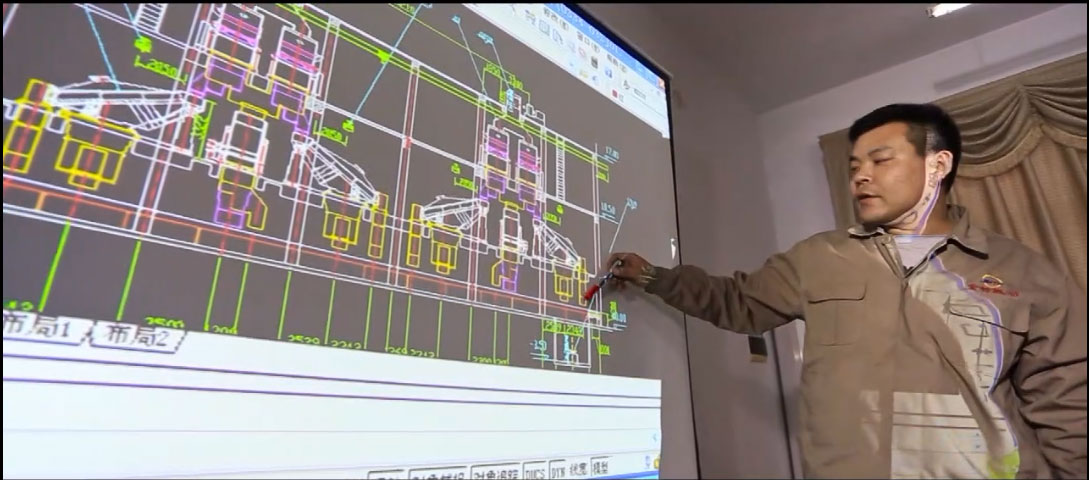
All machinery adheres to environmental protection and energy conservation concepts. We provide localized technical support and a 45-person R&D team to solve potential problems with "military precision."
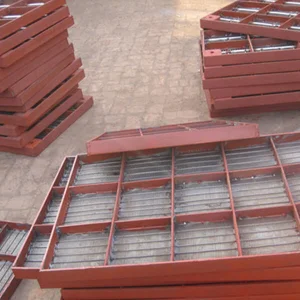 China stainless steel sieve plate Pricelist
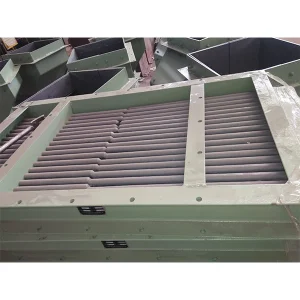 Wholesale Bar Sluice Gates Pricelist
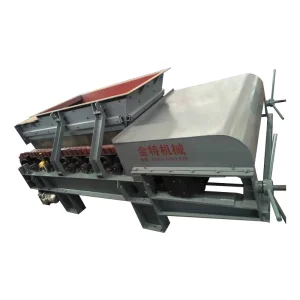 China Belt Linear Feeder Manufacturers
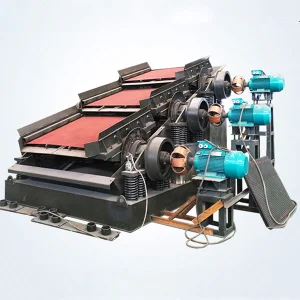 Wholesale JFHS Composite Screen Supplier
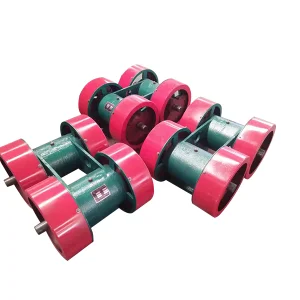 China JZ series vibration exciter Supplier
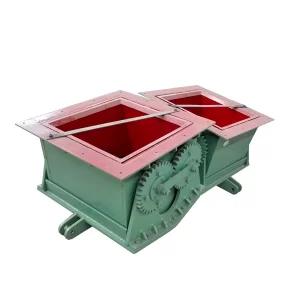 China Jaw Sluice Gates Suppliers
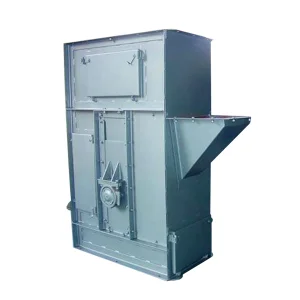 Wholesale TH Type Chain Bucket Elevator
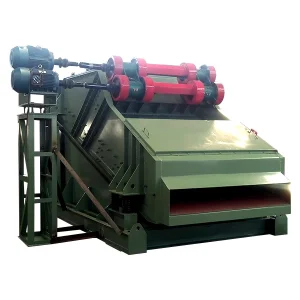 China ZSGB Type Heavy Vibrating Screen for Mining