Explore our leading industrial screening and process solutions, engineered for maximum performance and wear resistance.
Understanding mechanical excitation, screening efficiency, and structural dynamics in modern dry and wet material separation.
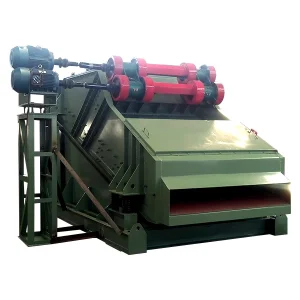
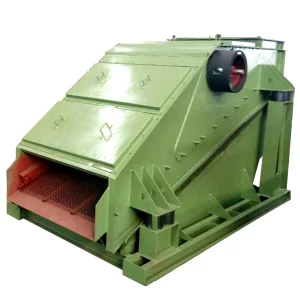
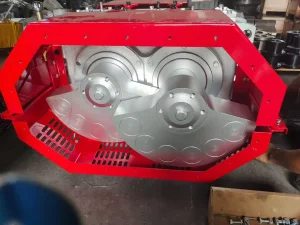
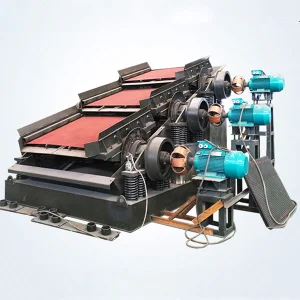
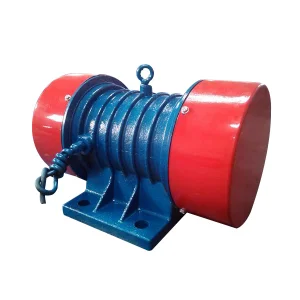
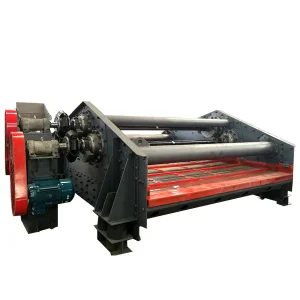
Single-deck vibrating screens are fundamental to high-capacity sorting operations across mining, metallurgy, and material processing industries. These machines operate using one of two primary motions: linear vibration or circular vibration. Linear vibrators use self-synchronizing dual exciter shafts or dual vibration motors rotating in opposite directions. The resulting forces cancel each other out horizontally while reinforcing vertical thrust, propelling particles forward in a structured linear path. This motion is ideal for precise sizing, washing, and dewatering applications.
Conversely, circular vibrators employ a single eccentric shaft or an unbalanced motor, producing an elliptical or circular movement. This design keeps materials in constant, energetic contact with the screen surface, reducing deck blinding (plugging) and maximizing the throughput of oversized products. Choosing between these dynamic movements is critical when designing a screening line for maximum output.
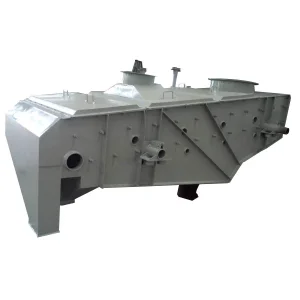
The efficiency of a single-deck vibrating screen depends on the interplay of amplitude, vibration frequency, angle of inclination, and gravity. In dewatering processes (such as coal washing or sand production), the screen deck is set at a horizontal or slightly upward incline. High frequency combined with low amplitude shears surface moisture off particles, forming a dense filter cake that discharges dry solids.
For coarse sizing, a steeper deck angle (ranging from 15 to 25 degrees) uses gravity to speed up material flow, letting fine particles drop through while sending oversized pieces quickly down the line. Advanced CAD simulations and finite element analysis (FEA) help engineers optimize the screen box's structural stiffness. This ensures uniform vibration across the entire deck and prevents localized stress concentration, which can cause premature frame failure.
How the industrial cluster effect, supply chain integration, and automated production lower costs while improving quality.
Xinxiang, Henan Province, stands as the global hub for vibrating machinery manufacturing. This cluster gives direct access to high-grade structural steels (such as Q235B and Q345B), specialized vibrator motors, and wear-resistant polyurethane screen media. This localized ecosystem reduces logistics costs and shortens lead times for custom projects.
Modern Chinese factories use advanced automated manufacturing, including precision laser cutting, CNC bending machines, and robotic welding stations. These tools minimize human error, guarantee tight assembly tolerances, and ensure that weld lines can handle the high G-force loads of heavy screening operations.
Leading manufacturers perform strict quality tests, including non-destructive weld testing, dynamic balance testing of the exciter assembly, and continuous 8-hour test runs before shipping. These quality control steps ensure that every unit meets international standards like CE and ISO 9001.
A leading force in screening, conveying, and raw material processing technology since 2000.
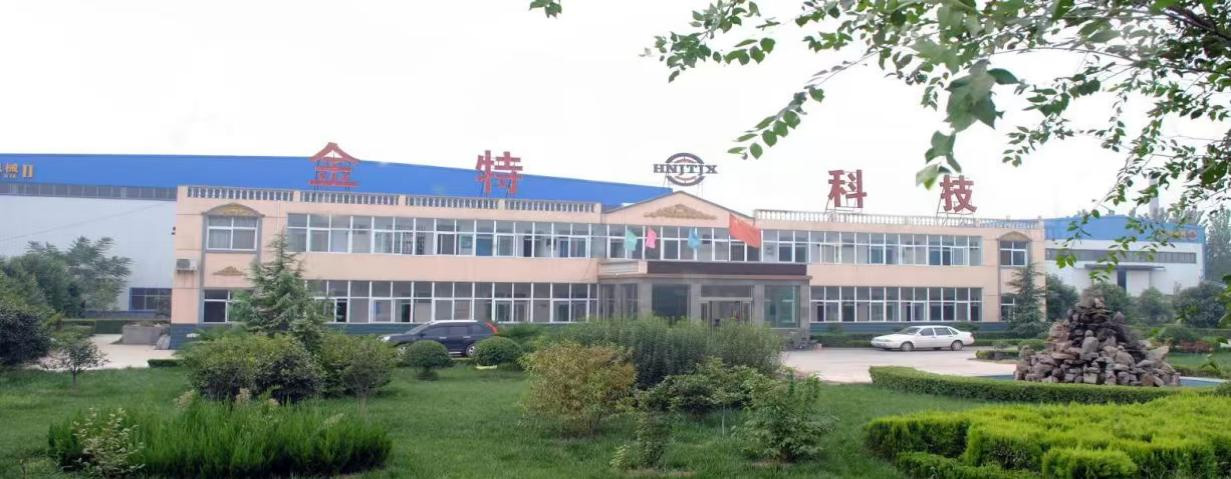
Henan Jinte Technology Co., Ltd. was officially registered and established in 2018, continuing a heritage of innovation and service that dates back to 2000. Over the years, we have grown into a mid-to-large-scale international enterprise. We specialize in the design and production of complete screening systems, vibration machinery, and conveying products for sand, gravel, and mineral processing lines. We also manufacture general machinery and manage our own import and export operations.
Our products are exported to countries worldwide, including Iran, India, Central Africa, and across Asia. We design our equipment with environmental protection and energy efficiency in mind, and our current technical standards meet international benchmarks, keeping us at the forefront of the vibration machinery industry.
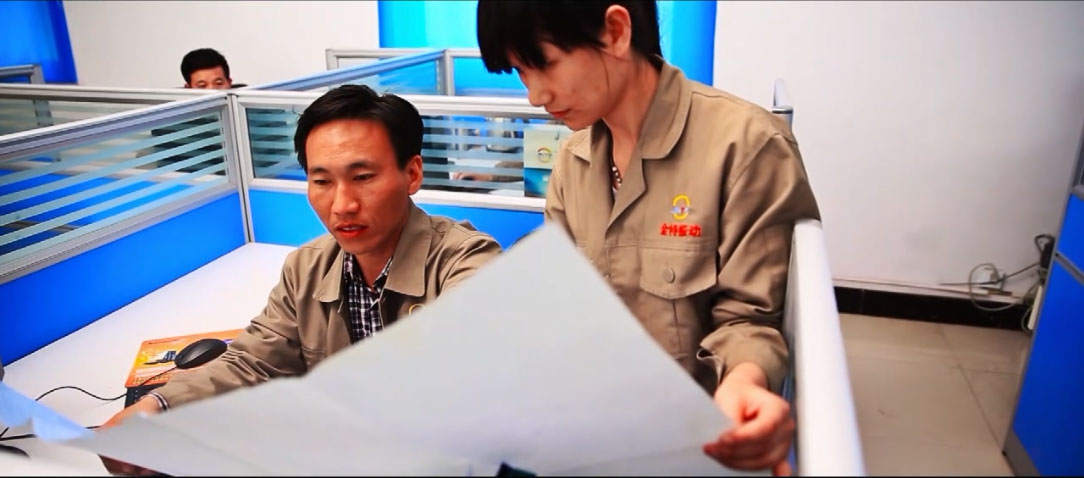
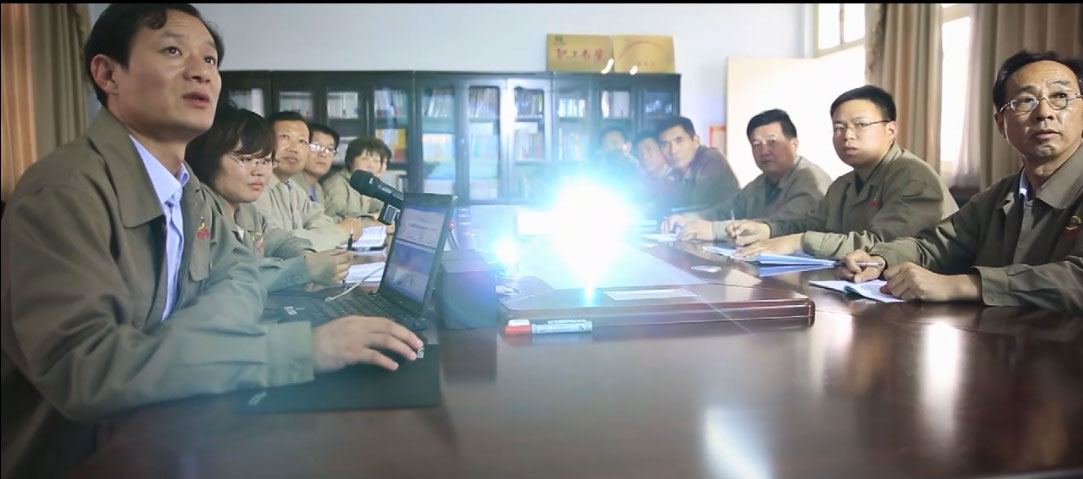
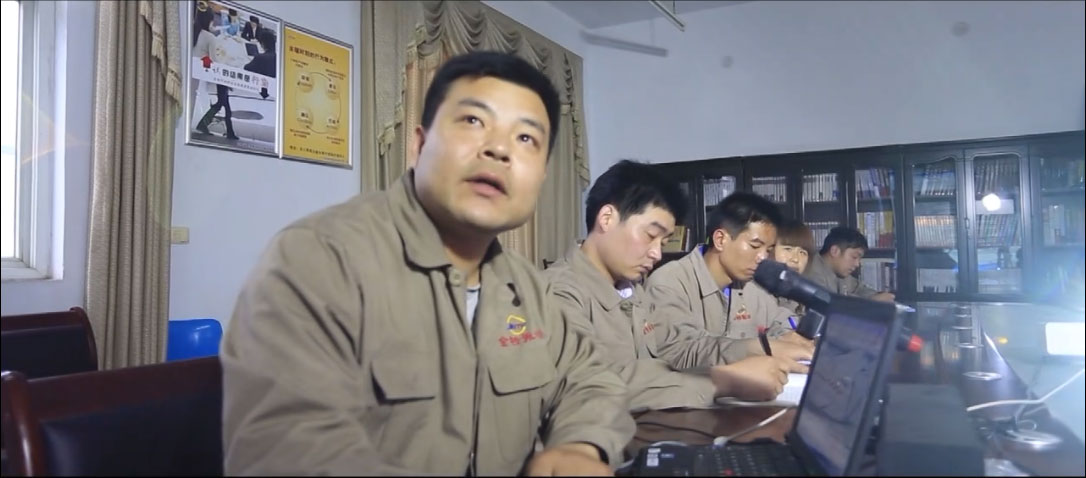
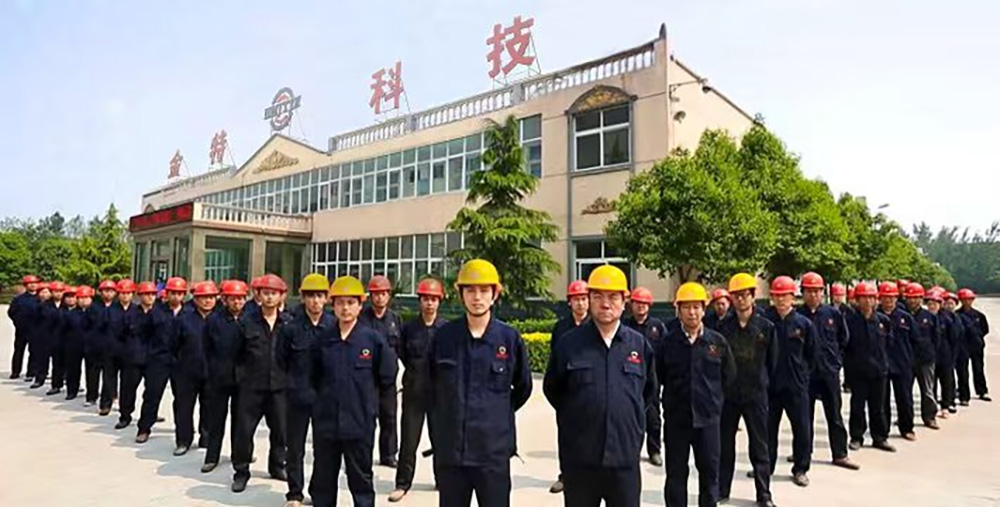
Our company employs more than 240 staff members, including a dedicated 45-person technical and new product development team. No matter where your operations are located, we can deploy a professional engineering team to resolve issues quickly. Our staff undergoes continuous training to keep pace with changing market trends and customer requirements.
Factory Building Area: 25,960 m² | Total Facility footprint: 26,000 m²
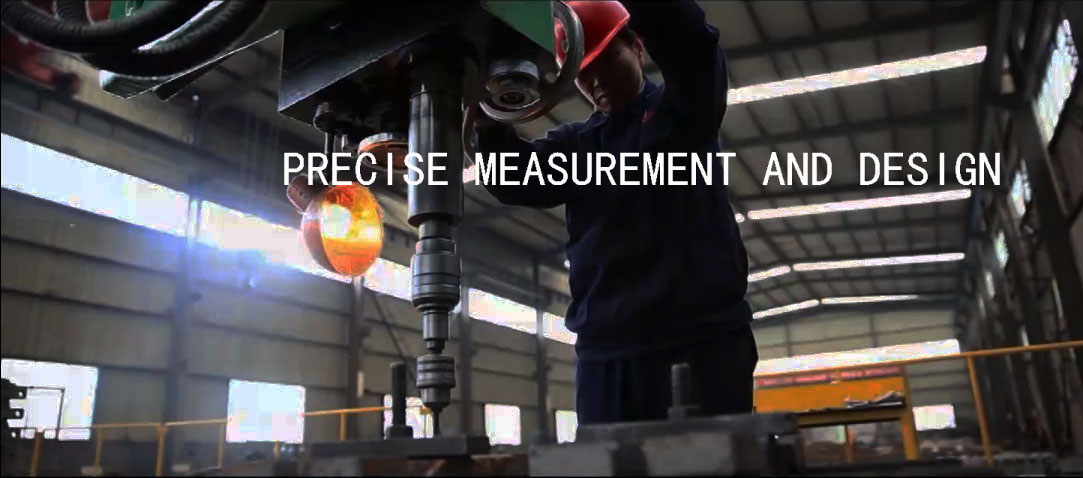
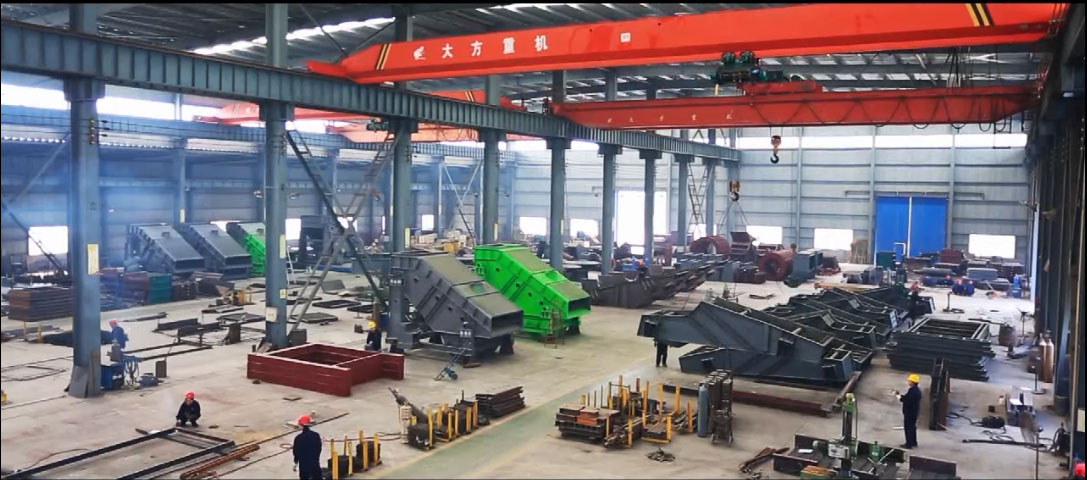
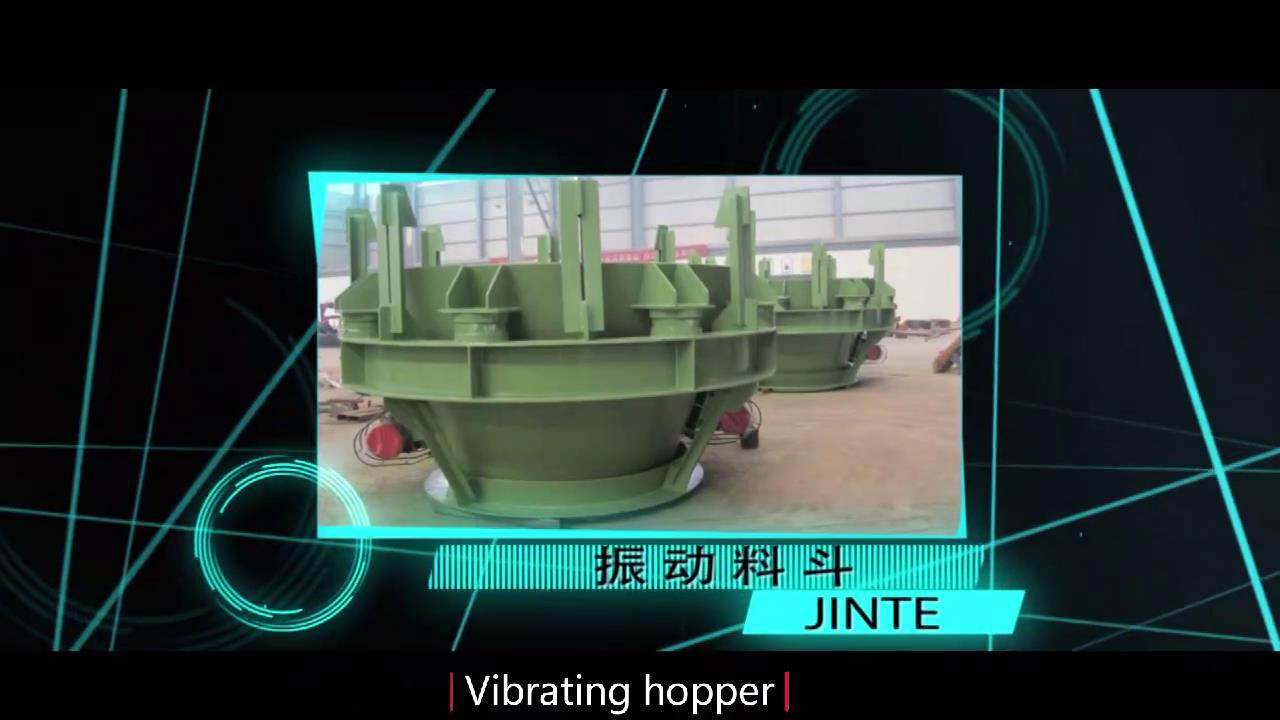
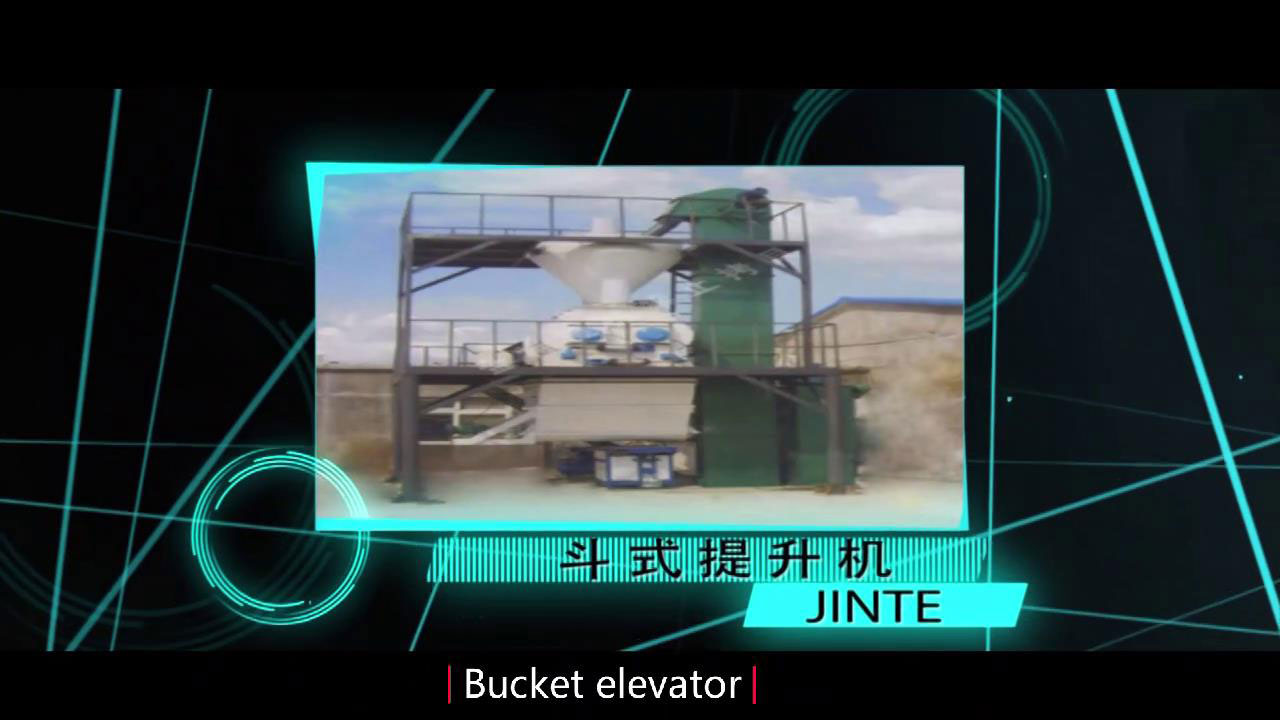
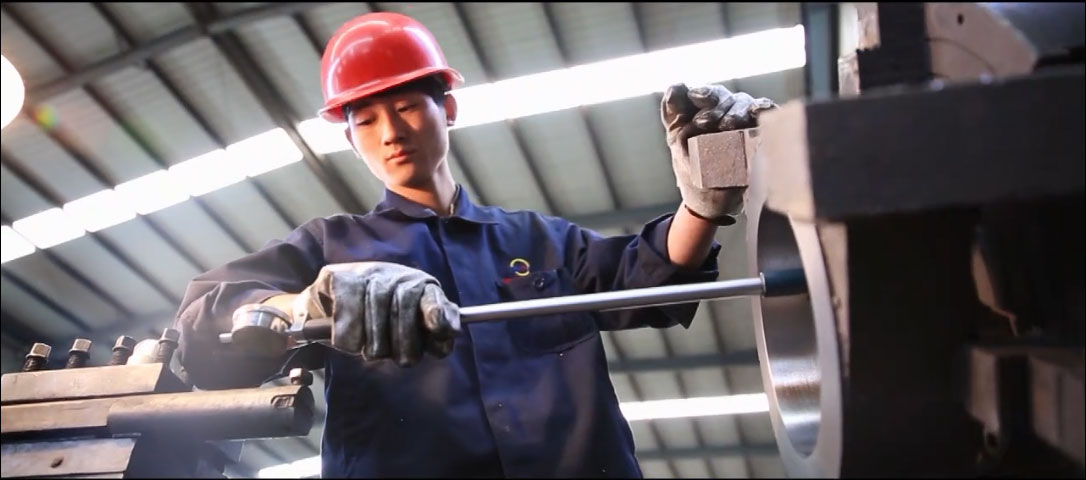
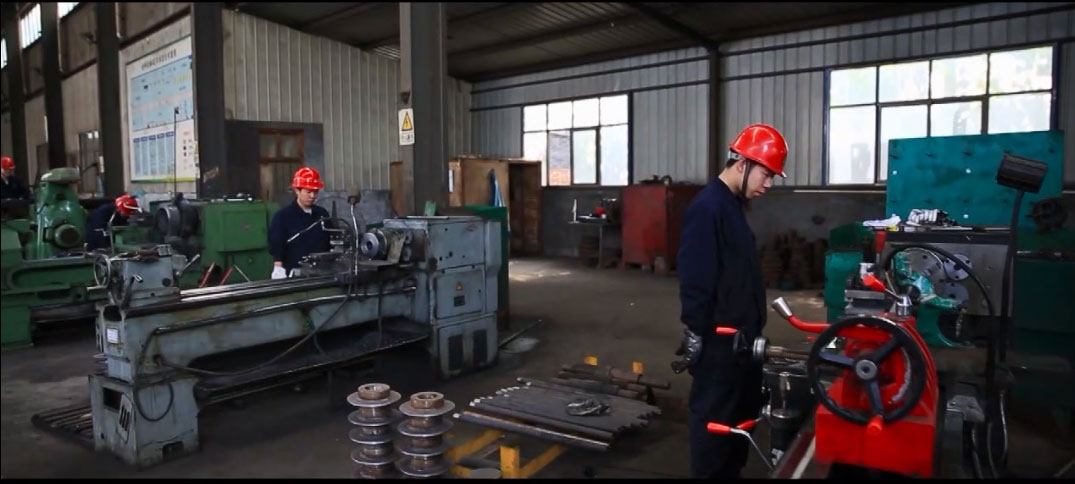
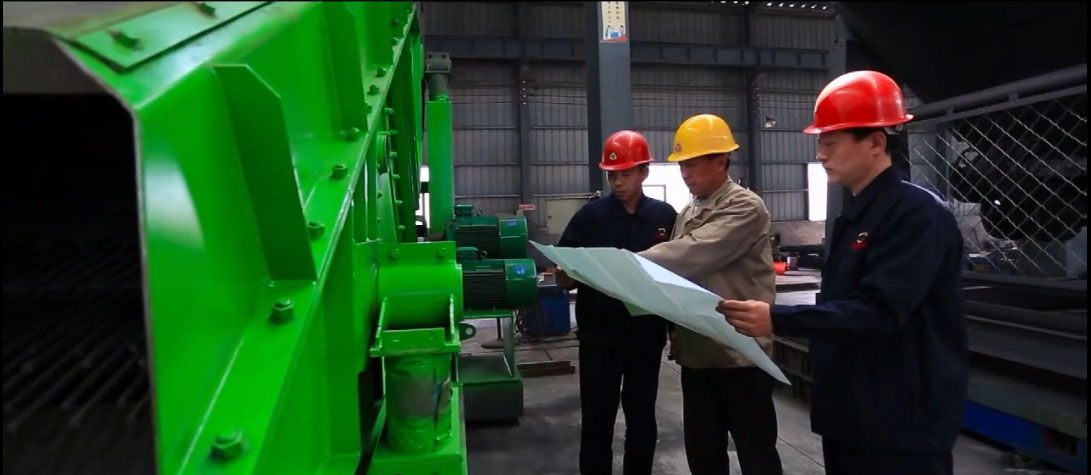
Our facility is equipped with over 80 sets of heavy processing machinery, helping us handle complex custom engineering projects.
Henan Jinte Technology operates over 80 sets of specialized processing equipment across forging, welding, lifting, and testing divisions. Key machinery includes:
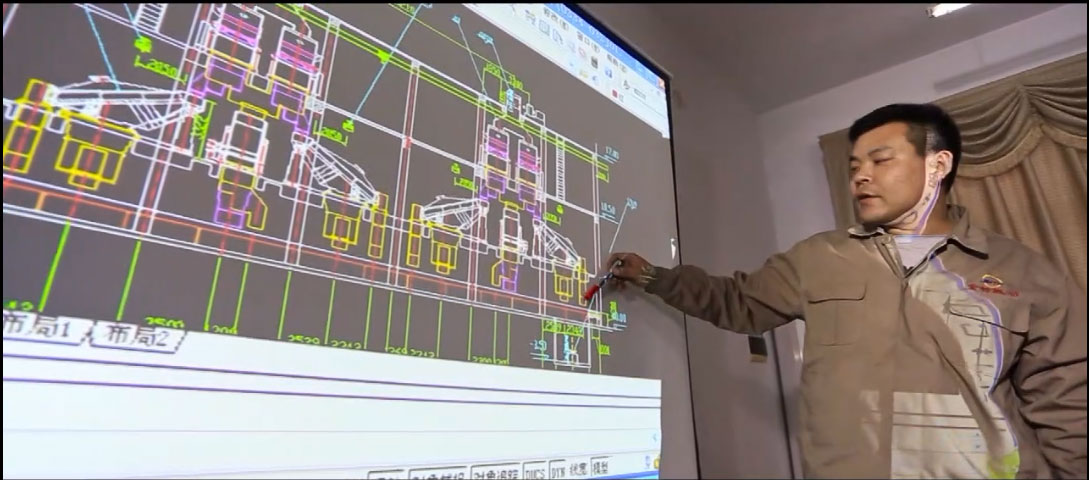
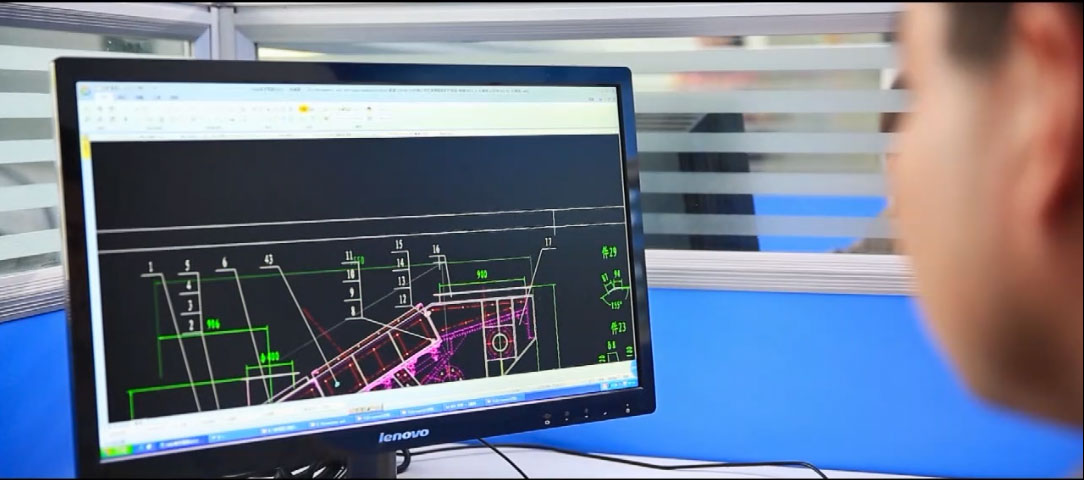
To maintain our high engineering standards, we have established dedicated CAD workstations running advanced CXAX 3D design and finite element analysis (FEA) software. This technology lets our design team create 3D models of our equipment and run stress simulations. By analyzing structural behavior under high-vibration loads, we can reinforce critical areas and optimize weight, creating machines that are both robust and energy-efficient.
The Jinte Design Institute is backed by 2 enterprise servers, 18 engineering microcomputers, high-format color plotters, and blueprinting systems, keeping our R&D team fully equipped to handle custom design requests.
Providing high-performance machinery for metallurgical processing, mining operations, coal prep, and aggregate production.
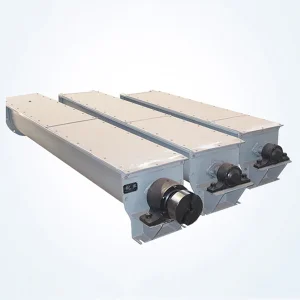
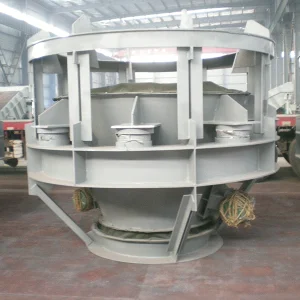
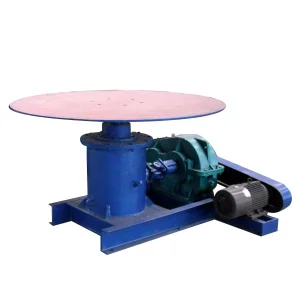
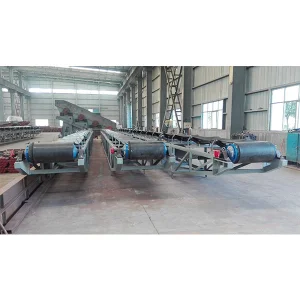
We manufacture more than 700 varieties of screening equipment, vibration machinery, conveyors, and crushers. Our product range includes:
Screening machinery is essential for sorting raw materials in smelting, sintering, pelletizing, and sand processing. Dynamic sizing helps operators improve raw material recovery, reduce energy use, and lower environmental emissions.
By supporting energy conservation and waste reduction, our product designs align with modern green initiatives, helping operations stay efficient and compliant with environmental standards.
Our dedicated staff and technical experts work together to ensure quality and precision at every stage of production.
Serving bulk material handling projects globally with dedicated engineering support and secure transport logistics.

For international procurement teams, sourcing a single-deck vibrating screen requires evaluating more than just the initial price. Key considerations include:
Expert answers to common questions about selecting, operating, and maintaining industrial vibrating screens.
The choice depends on the size and type of material you are processing. Woven wire mesh offers maximum open area for dry, non-sticky materials. Polyurethane screens provide much longer life for abrasive materials like stone and ore, and help reduce noise. For wet, sticky materials, self-cleaning or flexible polyurethane screens can prevent blinding.
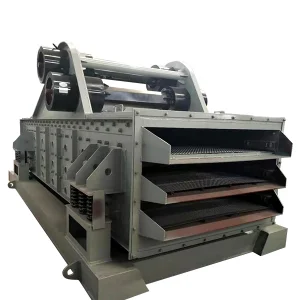
Single-deck vibrating screens are optimized for single-cut separation or dedicated dewatering tasks. They feature a simpler, more rugged structure, higher specific G-force, and are easier to inspect and maintain than complex multi-deck units.
We use specialized steel shipping frames, anti-rust coatings, and waterproof shrink wrap to protect the equipment. Exciter assemblies and motors are secured with shipping brackets to prevent bearing damage from transit vibration.
Blinding occurs when near-sized particles wedge into the mesh openings, or when sticky materials build up on the deck. This can be resolved by increasing the vibration amplitude, switching to polyurethane self-cleaning screens, installing bouncing balls beneath the deck, or using water sprays for wet screening.
Complete your production line with our heavy-duty vibrating screens, conveyors, and component parts.