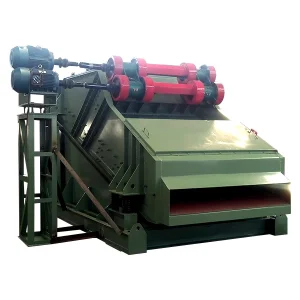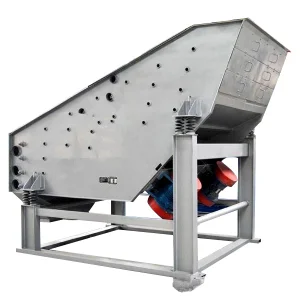
In the modern industrial landscape, the demand for high-purity, low-moisture sand is skyrocketing. Whether for hydraulic fracturing in the energy sector, high-performance concrete in construction, or mineral processing in mining, Dewatering Screens have become the non-negotiable standard. As a leading China Dewatering Screens Sand Manufacturer, Henan Jinte Technology Co., Ltd. integrates AI-driven design with robust mechanical engineering to solve complex moisture-separation challenges.
This white paper explores the technical milestones, global supply chain advantages, and the future roadmap of dewatering technology, providing stakeholders with the information gain necessary to optimize their production lines.
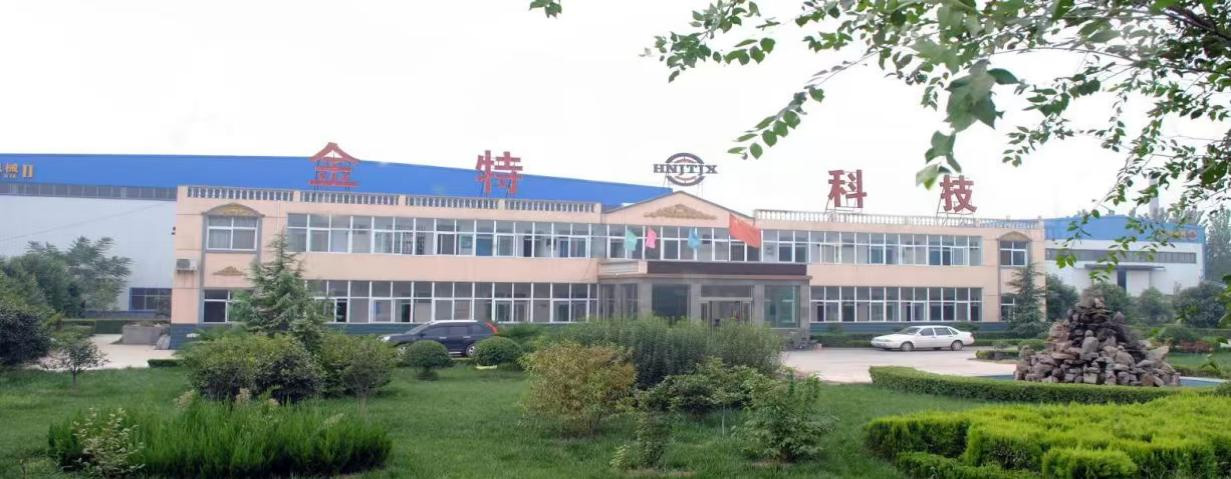
Henan Jinte Technology Co., Ltd., established in 2018, is a mid-to-large-scale international enterprise specializing in the design and production of complete screening equipment. Based in the Xinxiang Economic Development Zone, we represent the pinnacle of China's vibration machinery industry.
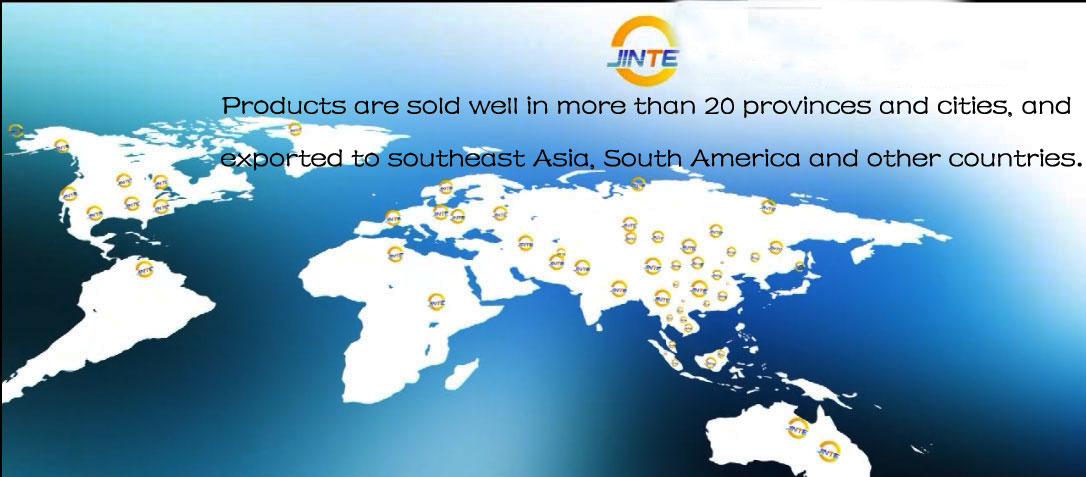
Our technologies are exported to Iran, India, Central Africa, and across Asia. We emphasize environmental protection and energy efficiency, ensuring our technical standards meet international benchmarks for global industrial compatibility.
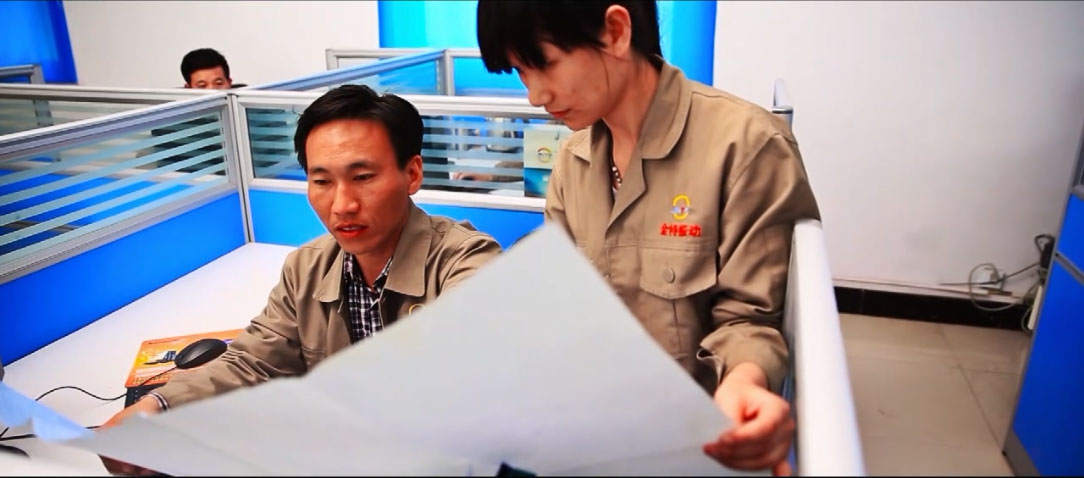
With a dedicated team of over 100 employees—including 45+ technical R&D specialists—we solve problems with "military precision," staying ahead of market trends through continuous education and innovation.
Current research focuses on high-molecular-weight Polyurethane (PU) sieve plates and stainless steel composite meshes. These materials offer 5x the lifespan of traditional carbon steel, reducing downtime in abrasive sand environments.
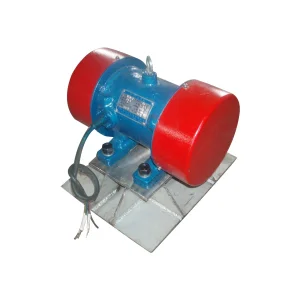
We are integrating IoT sensors into our vibration motors. Real-time monitoring of frequency and amplitude allows for predictive maintenance, preventing catastrophic failure before it occurs.
Future dewatering systems will prioritize "zero-waste" tailings management. By recovering 95% of process water, our machines help mining operations meet stringent ESG (Environmental, Social, and Governance) criteria.
In high-density urban construction, dewatering screens are used to wash and dry sand simultaneously, ensuring the final product meets the "Silt Content < 1%" international building standard.
For large-scale iron and gold mines, our screens handle the dry stacking of tailings, significantly reducing the risk of dam breaches and environmental contamination.
Oil and gas operations utilize Jinte's high-frequency screens to produce consistent grain sizes (20/40, 40/70 mesh), critical for effective hydraulic fracturing.
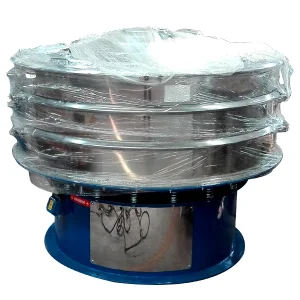
Our stainless steel sieve plates and circular vibrating screens provide the precision needed for fine chemical separation and ceramic glaze filtration.
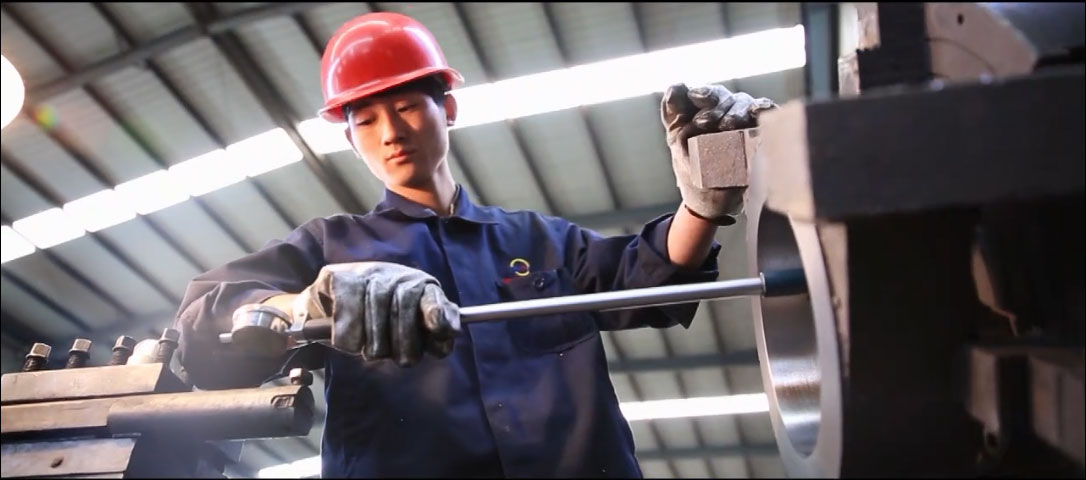
Located in the west section of Xinglong Road, Xinxiang, our facility covers 26,000 square meters with a 25,000 sqm dedicated production workshop. We house over 80 sets of high-precision equipment, including:
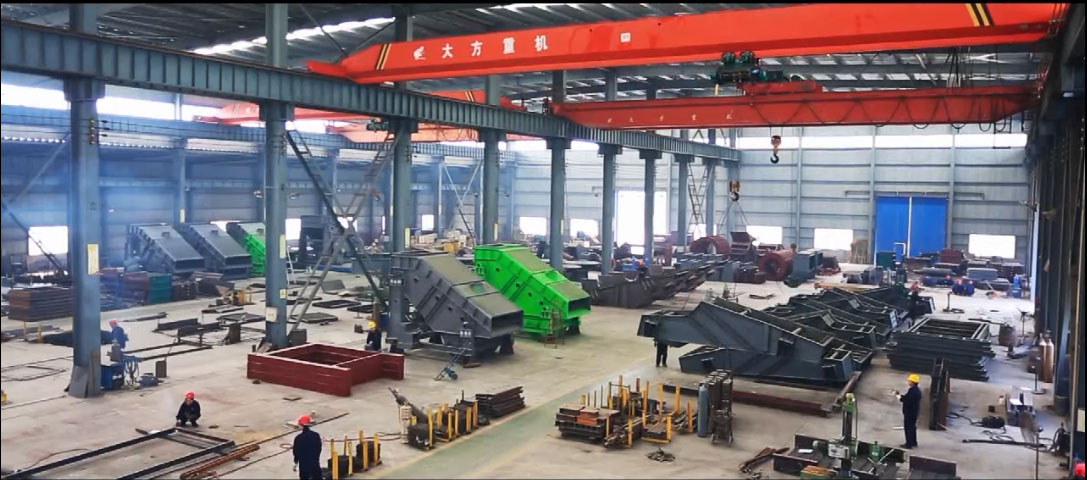
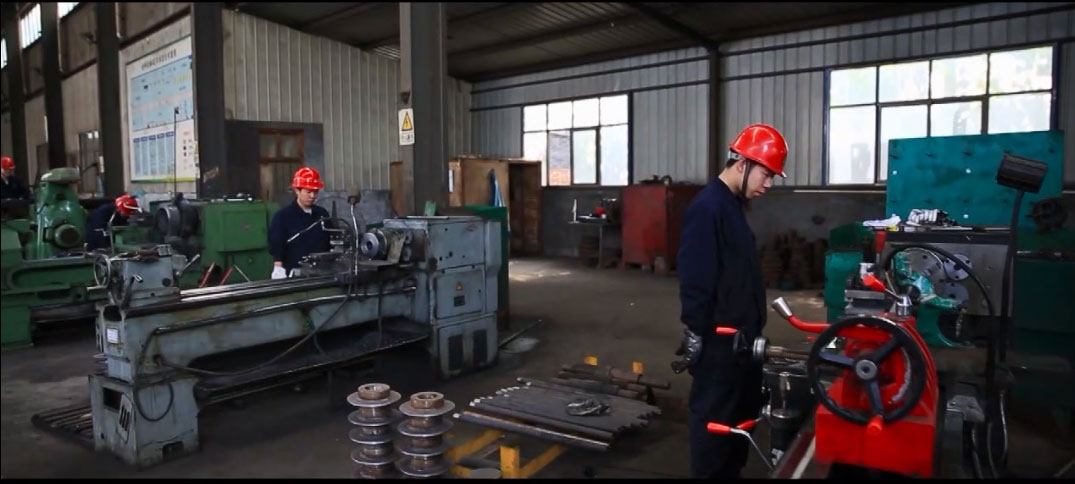
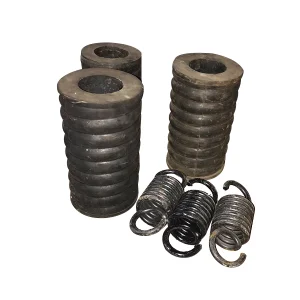
Xinxiang is the "Vibration Capital of China." Being at the center of this cluster allows Jinte to source high-grade raw materials and specialized components (like our custom rubber springs) with zero lead-time friction.
By leveraging automated welding and shot blasting, we reduce labor overhead and pass the savings to our global clients without compromising on the E-E-A-T principles of professional quality.
We provide full documentation for international customs, ensuring our transport safety remains at 100% (barring irresistible natural factors). Our products are built to meet CE and ISO standards.
A: Our high-frequency dewatering screens can typically reduce sand moisture content from a 40% slurry down to 12%–15% in a single pass, depending on the material's grain size distribution.
A: We utilize modular Polyurethane (PU) screen panels which are significantly more wear-resistant than metal. Additionally, our frames are stress-relieved via heat treatment to prevent cracking under high G-force vibration.
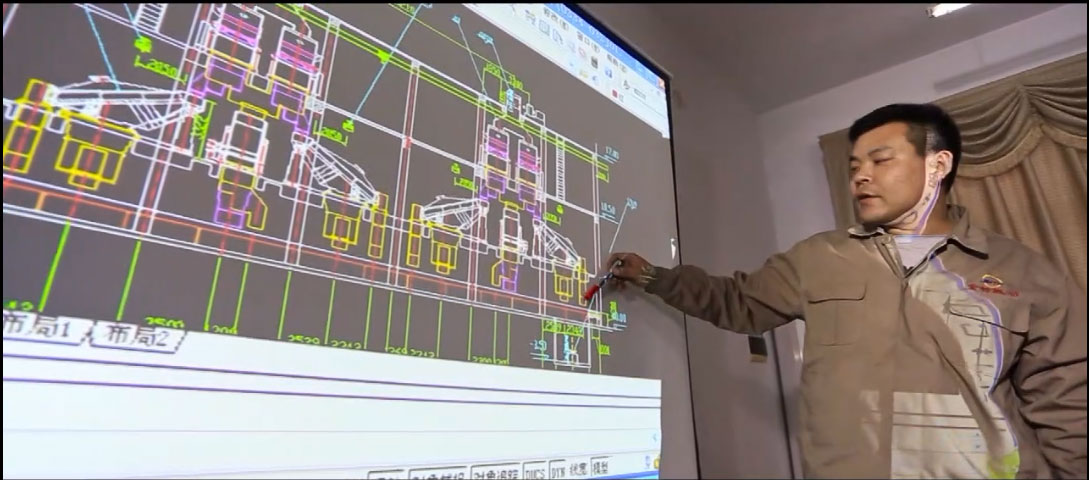
A: Yes. Our technical team uses 3D CAD modeling to customize the intake and discharge heights of our screens, ensuring a seamless fit into your current layout with minimal modification.
A: Standard models are usually ready for shipment within 15-20 days. Large-scale custom configurations (like the 25,000 sqm factory output) typically take 30-45 days from design approval to delivery.
A: We provide detailed digital twin documentation and video conferencing support. For major projects, our engineering teams are available for on-site commissioning in Iran, India, and Southeast Asia.