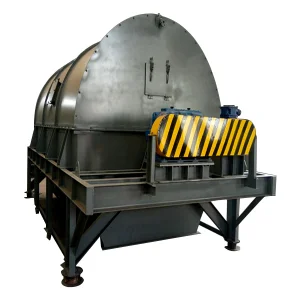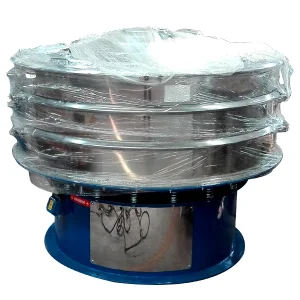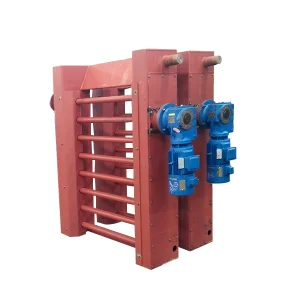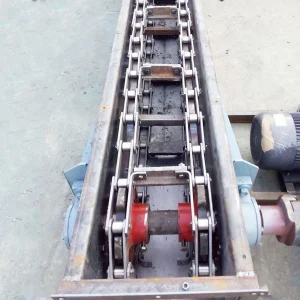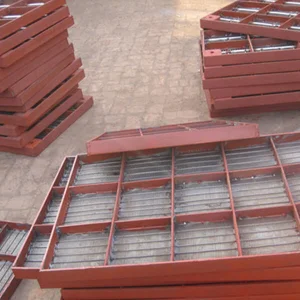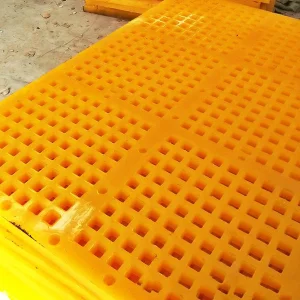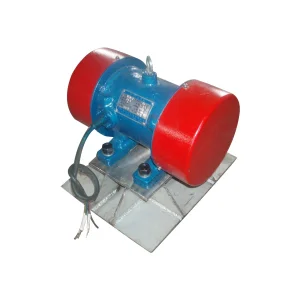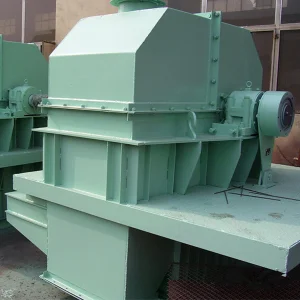
High-efficiency processing machinery, precision components, and heavy-duty auxiliary units engineered by Henan Jinte Technology Co., Ltd. for optimal aggregate sorting.
In modern raw material refinement infrastructure, multi-deck vibrating screens act as critical nodes that dictate processing efficiency, throughput quality, and operational profit margins. As global industries transition towards high-yield mineral extraction, clean energy production, and localized sand and gravel recycling, the demand for precise particle sizing has intensified. From South American lithium mining operations and Australian iron ore extraction plants to European aggregate recycling centers, processing plants require heavy-duty machinery capable of running continuously under severe mechanical stress.
The role of a premium China Multi Deck Vibrating Screen Manufacturer extends beyond manufacturing standard screening decks. Modern projects require deep systems integration. Material size requirements have become extremely narrow to satisfy the technical parameters of down-process equipment, such as pelletizing units, industrial mills, and smelting furnaces. The integration of robust equipment (e.g., circular and elliptical vibrating screens) ensures that plant operators optimize raw material utility, eliminate waste bypass, and meet strict quality criteria in international markets.
Industrial statistics indicate that optimal mechanical sizing directly reduces the energy required by secondary grinding processes by up to 22%. By implementing advanced classification machinery, operators lower overall plant carbon footprints while boosting output quality.
The mechanical efficacy of a multi-deck vibrating screen depends on the precise control of its vibratory parameters: amplitude, frequency, and angle of inclination. Different applications demand specialized motion profiles. Circular motion screens utilize a single eccentric shaft exciter system that produces a rotating circular acceleration vector. This configuration is highly efficient for coarse separation on steep decks, as the continuous change in acceleration angle prevents particle pegging and maintains high stratification speeds.
For processing finer distributions or sticky materials, linear and elliptical motion screens are preferred. Elliptical vibrating screens, operating on double-axis or triple-axis self-synchronizing drives, generate an elliptical stroke profile. This combines the benefits of vertical acceleration (which lifts and turns the material bed) and horizontal conveyance (which moves particles rapidly across the screen surface). Under these dynamics, material stratification occurs systematically: larger particles float to the top of the bed, while finer particles migrate downward through the void spaces to contact the screen apertures.
| Vibration Vector Style | Typical Amplitude Range | Operational Frequency (RPM) | Key Application Focus | Recommended Screen Media |
|---|---|---|---|---|
| Circular Motion | 5.0 – 9.0 mm | 700 – 1000 RPM | Primary scalping, coarse sorting | High-tensile steel, heavy rubber |
| Linear Motion | 3.5 – 6.0 mm | 900 – 1200 RPM | Dewatering, coal slurry wash | Polyurethane sieve plate |
| Elliptical Motion | 4.0 – 8.0 mm | 800 – 1100 RPM | Multi-deck sizing, fine aggregates | Woven wire, modular PU |
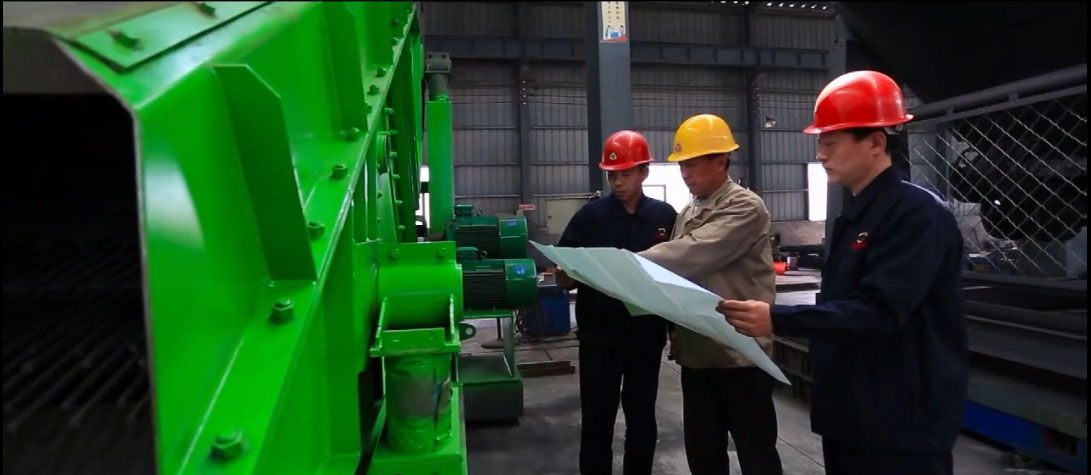
To prevent structural fatigue caused by sustained dynamic loads (often exceeding 5G to 6G), leading manufacturers like Henan Jinte Technology Co., Ltd. employ advanced Finite Element Analysis (FEA) software. High-stress areas, such as the connections between the side plates and the cross-members supporting the screen decks, are reinforced using huck-bolted construction instead of traditional welding. This design mitigates residual welding stresses and prevents the propagation of fatigue cracks.
Established as an international enterprise, Henan Jinte delivers heavy-duty bulk handling and classification machinery designed to withstand rigorous operational environments.
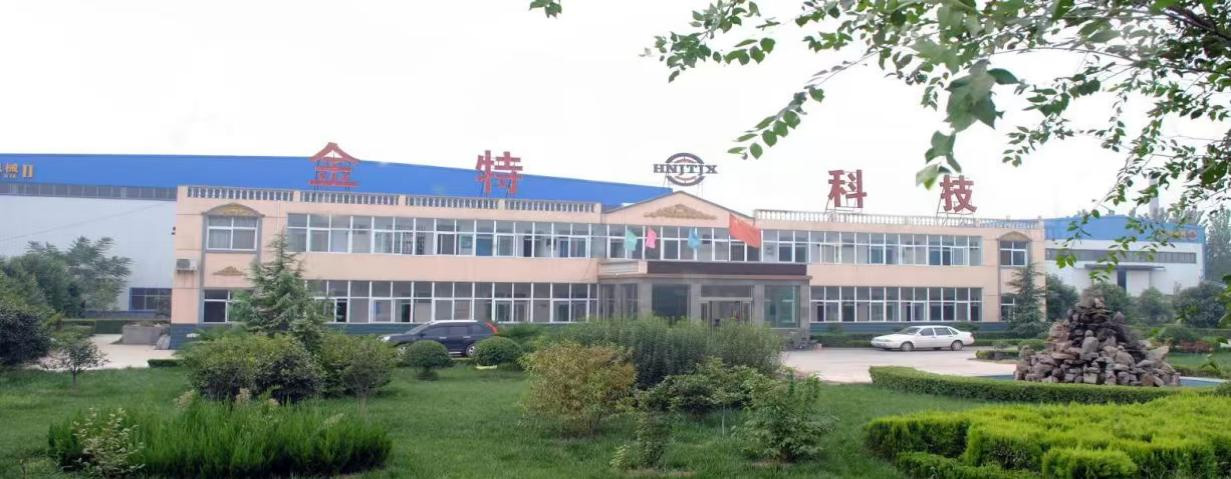
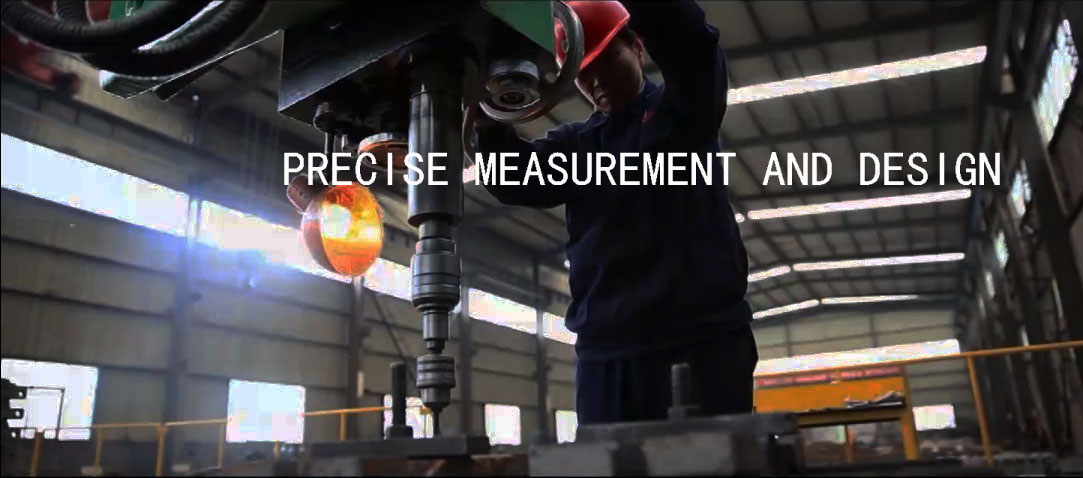
Henan Jinte Technology Co., Ltd., officially registered and established in 2018 (originating from production operations since 2000), has evolved into a prominent manufacturer of complete sand, gravel, and mineral screening production lines. Our production facility features advanced automated plasma cutting tables, CNC bending presses, and shot blasting chambers. These tools ensure that all structural members are clean and precisely shaped before receiving heavy duty polyurethane finishes.
Our product line includes over 700 varieties of equipment, including environmentally friendly sintered vibrating screens, probable rod screens, disc feeders, and heavy-duty conveyor systems. By utilizing CXAX 3D design software alongside Finite Element Analysis (FEA), we construct virtual models of our vibration mechanisms. This allows us to balance the moving masses and ensure steady force transfer through the supporting structures.
Integrating dynamic telemetry sensors on the screen frame allows operators to track acceleration profiles and bearing temperatures in real-time. This supports predictive maintenance and prevents unscheduled downtime.
Stricter environmental regulations require fully sealed screen structures. Combining heavy-duty polyurethane dust covers with suction ports minimizes air emissions in mineral plants.
The industry is shifting from woven wire cloth to modular polyurethane and rubber panels. While initial costs are higher, modular panels extend deck life and allow replacement of only worn sections.
Industrial screening systems must be configured for the specific physical characteristics of the processed material. Factors like moisture content, particle shape, and feed size distribution dictate the selection of screen media and drive parameters.
In blast furnace operations, the raw material input must maintain a uniform particle size to ensure optimal gas permeability within the furnace stack. Henan Jinte's environmentally friendly sintered vibrating screens are engineered to separate hot sinter feed under continuous temperatures. By utilizing high-frequency excitation, the screen separates fines before they reach the furnace, reducing coke consumption and enhancing smelt productivity.
Processing coal slurries presents unique handling challenges, primarily due to high liquid-to-solid ratios. Utilizing specialized drum screens and linear dewatering vibrators equipped with polyurethane slot decks helps extract clean coal slurry from water lines. The linear action of the screen helps form a cake on the screen deck, which acts as a secondary filter medium, retaining fine coal dust and optimizing recovery.
Achieving optimal classification efficiency requires aligning auxiliary material handling equipment with the screening units. In a typical minerals plant, feed sizing is supported by a network of conveying systems and controlled feeders. If raw feed enters the screen in an irregular pattern, it can flood the deck, causing fine particles to bypass the screen and escape into the oversize product line.
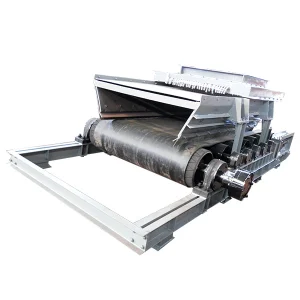
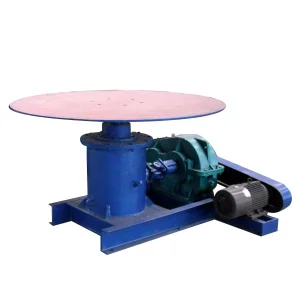
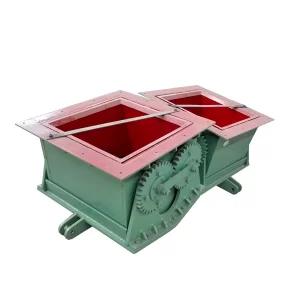
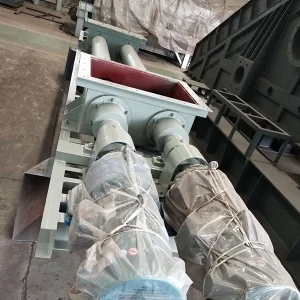
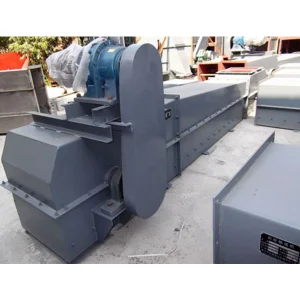
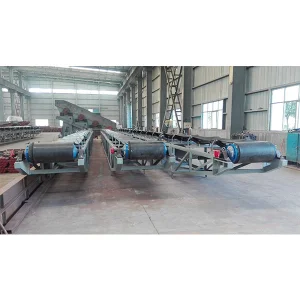
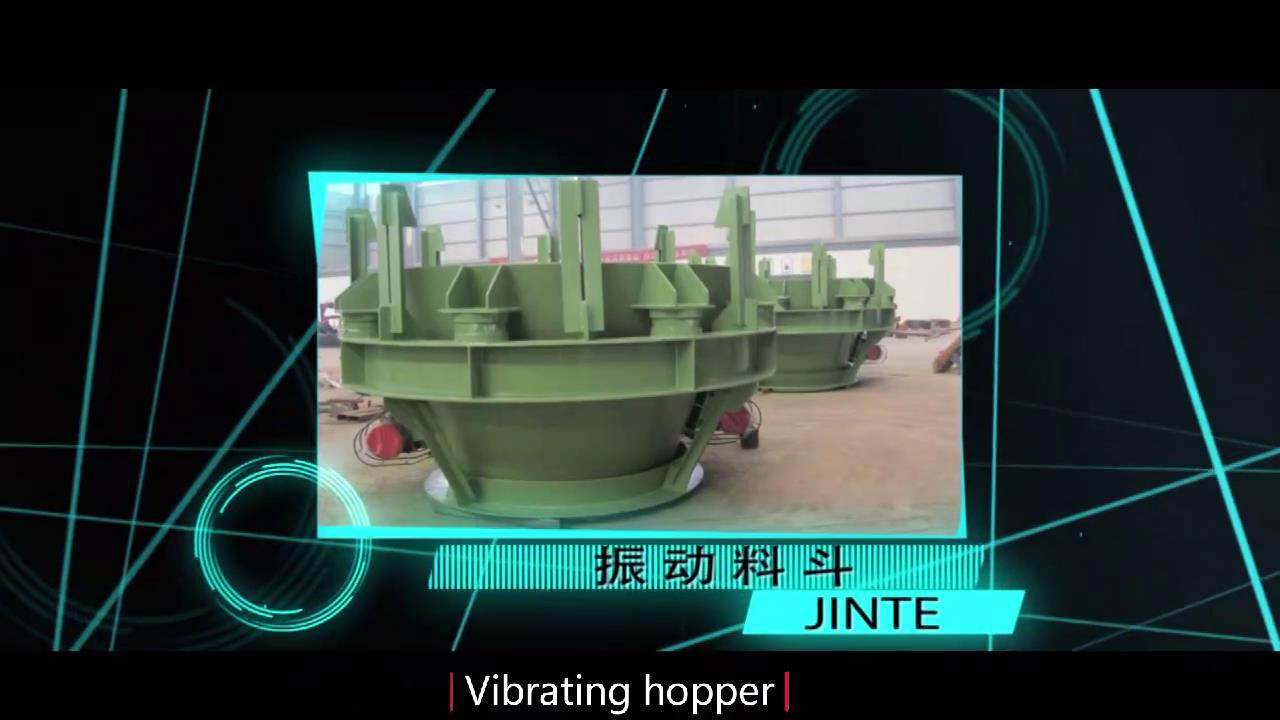
To prevent this, Henan Jinte integrates disc feeders and electromagnetic vibrating feeders (e.g., JDG vibrating grizzly feeders) to deliver a consistent, thin bed of material across the full width of the screen deck. Down-process material transport is managed by heavy-duty bucket elevators and conveyor lines, forming a closed-loop circuit.
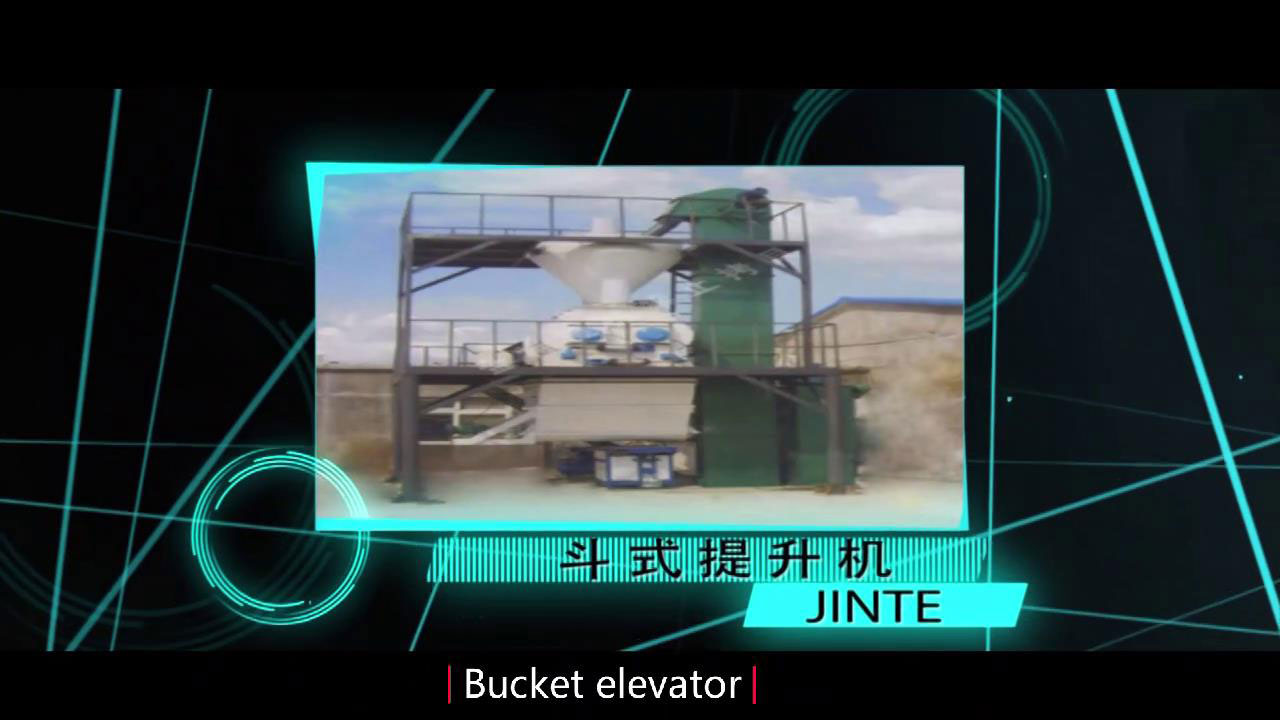
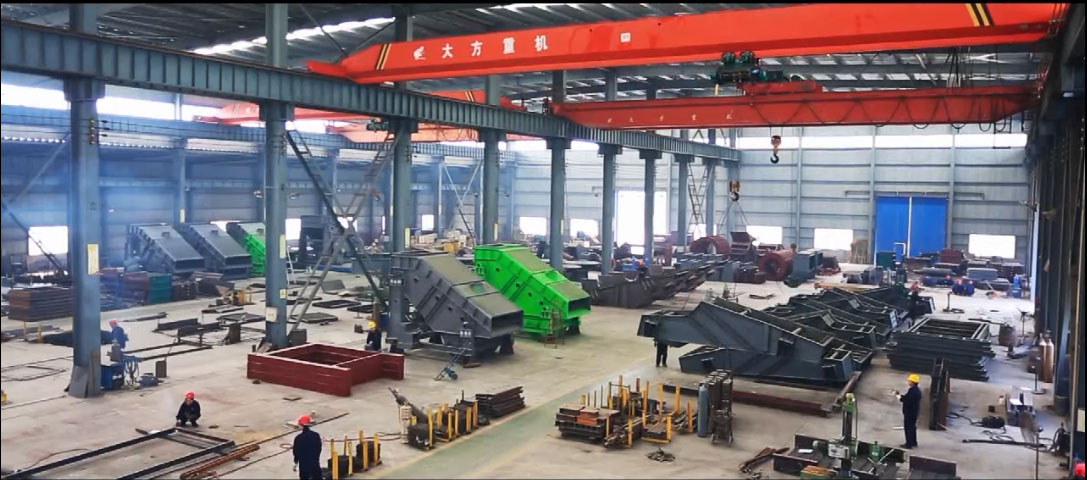
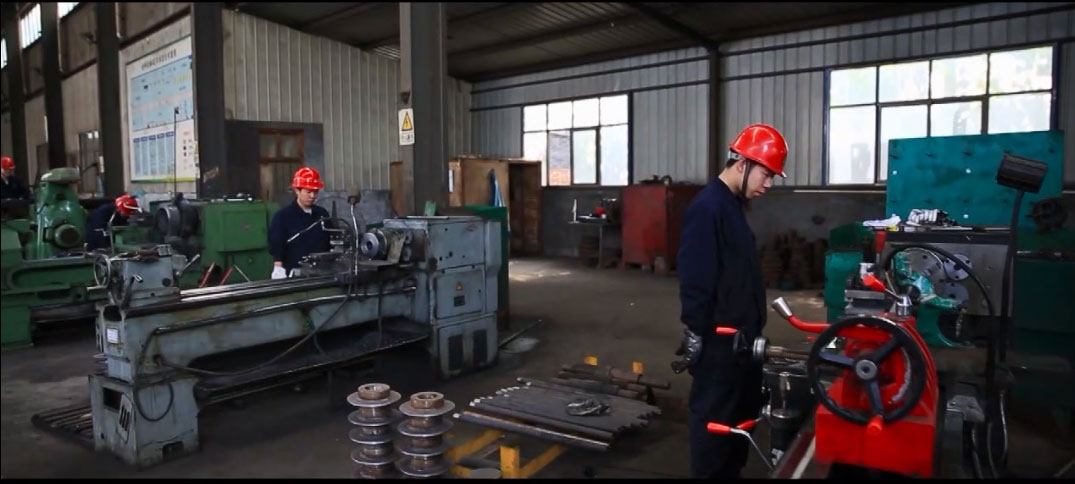
A look into our production facilities, CNC machining blocks, and raw component assembly lines located in Henan Province.
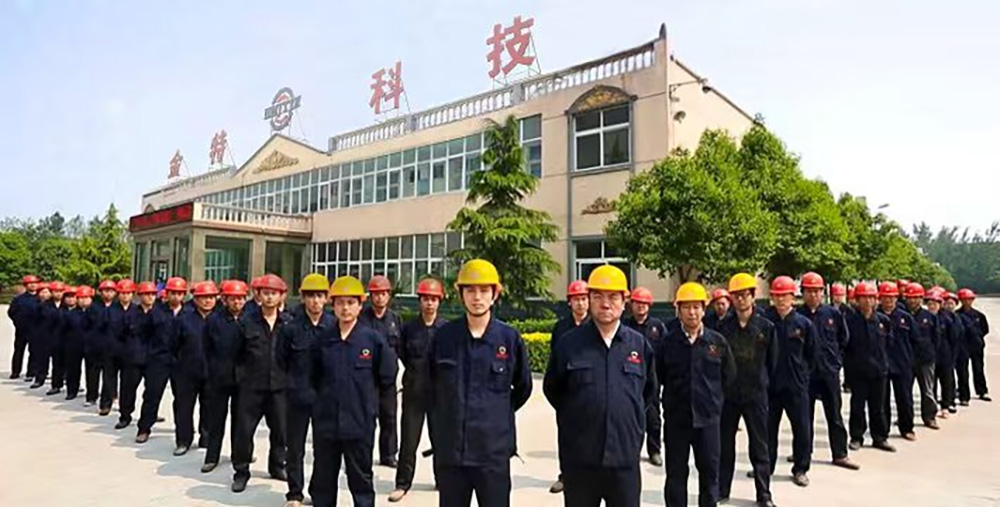
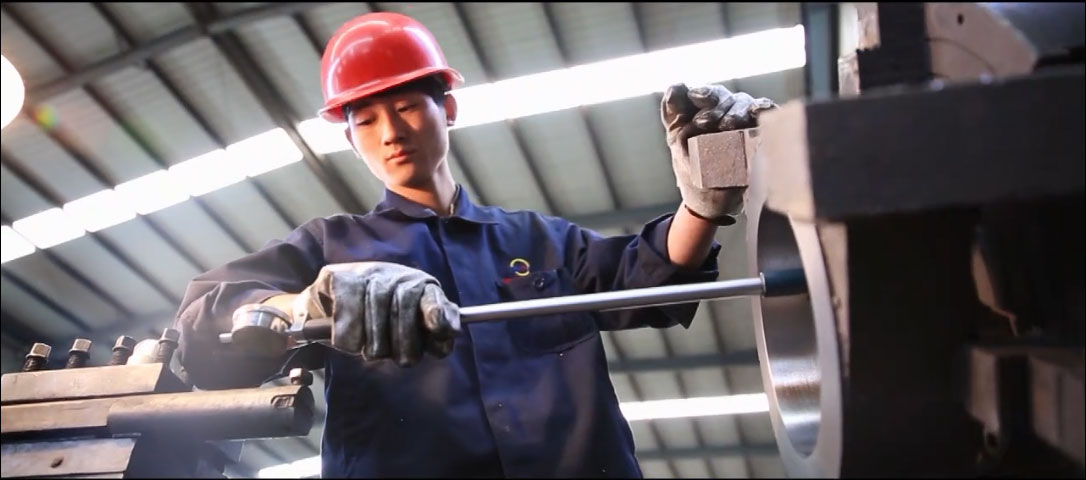
Our facility at Henan Jinte is equipped with over 80 sets of processing machinery, including automatic flame cutters, CNC bending equipment, automatic welding lines, and shot blasting chambers. These tools allow us to control manufacturing quality at every step, ensuring that structural frame joints are precise and robust.
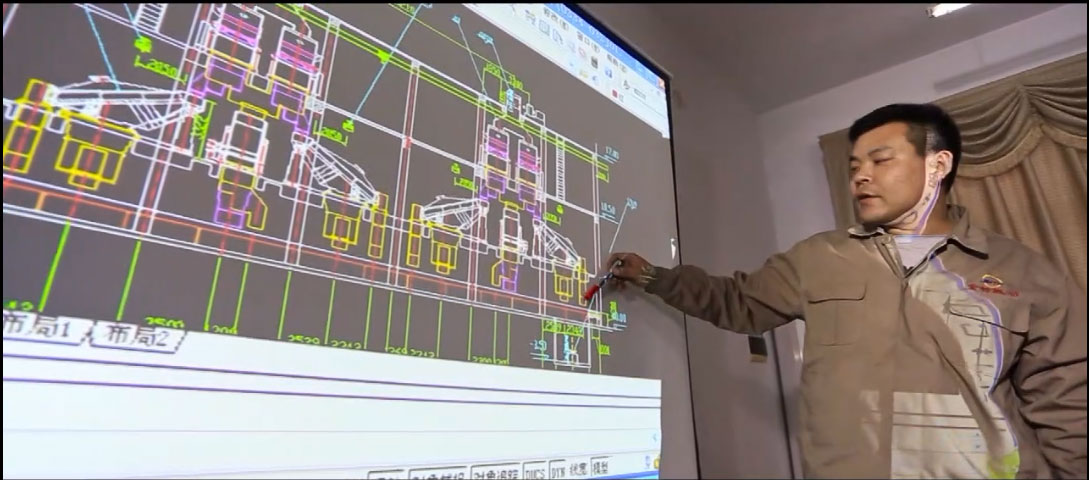
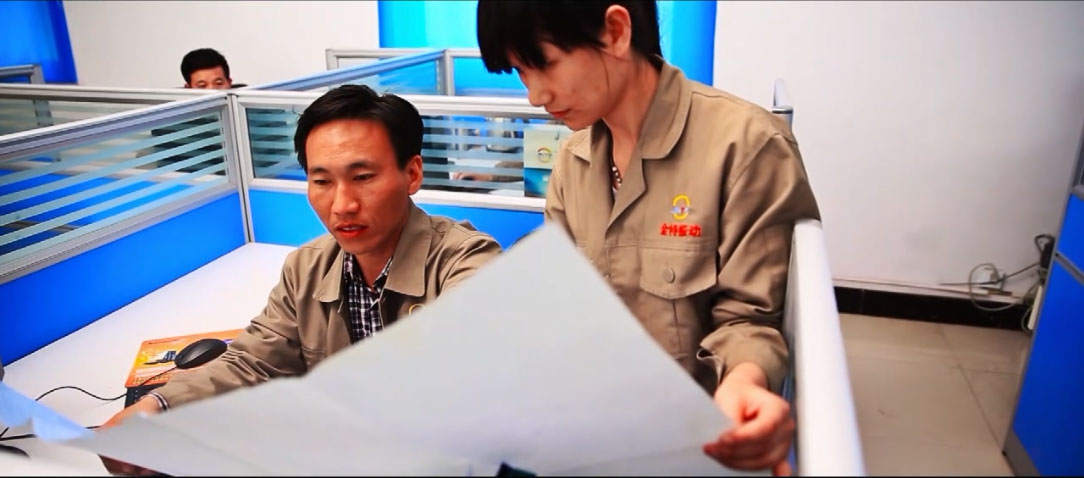
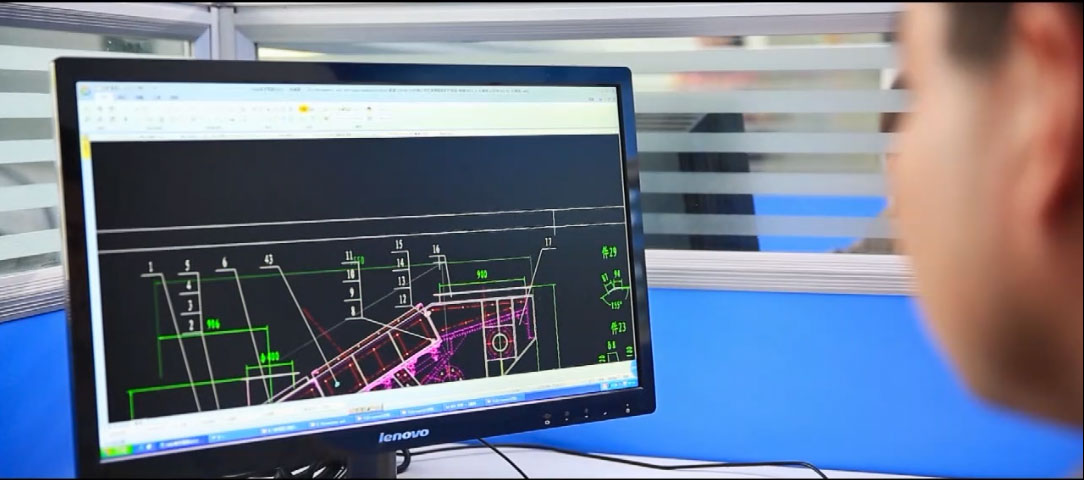
Our engineering offices use international 3D modeling and structural simulation software to evaluate the natural frequency of each screen frame. This design stage helps ensure that the operating frequency of the exciter drive remains separate from the natural resonance frequencies of the screen housing, preventing premature mechanical fatigue.

Answers to common engineering questions regarding the design, operation, and maintenance of industrial vibratory screen systems.
Providing industrial screening machinery and support to clients in Asia, India, Central Africa, and the Middle East.

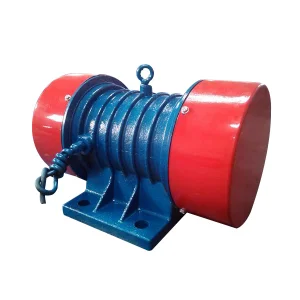
OEM-quality wear plates, vibratory motors, bucket elevators, and bulk feeding systems to keep your plant operational.