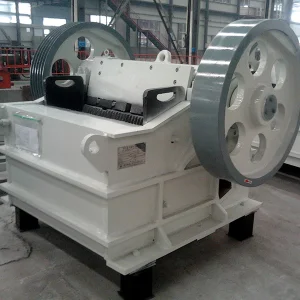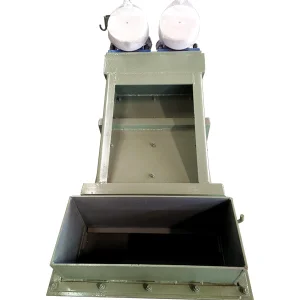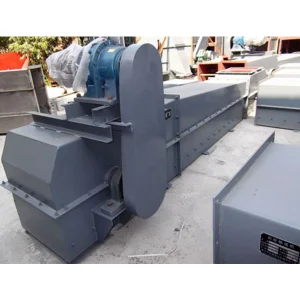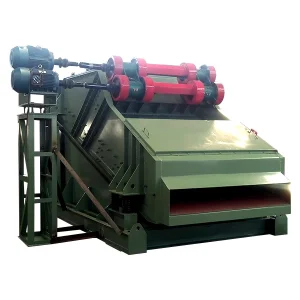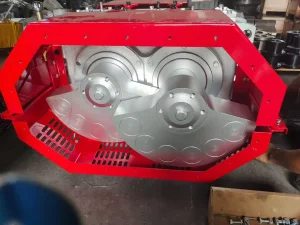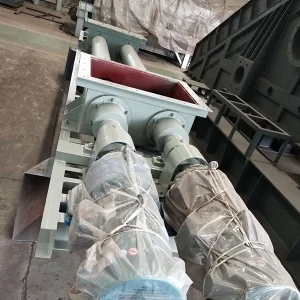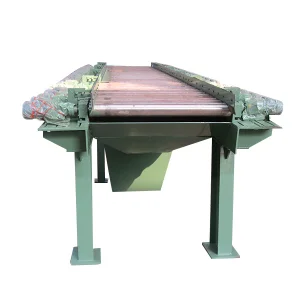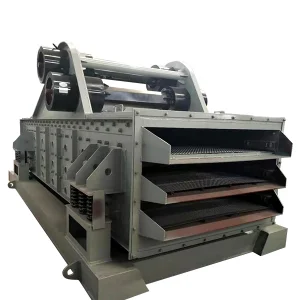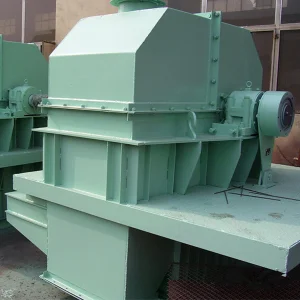
In the modern industrial landscape, the Reciprocating Plate Feeder has emerged as a cornerstone for heavy-duty bulk material handling. Unlike standard vibratory feeders, the reciprocating mechanism excels in handling wet, sticky, or clay-heavy materials that typically clog other systems. Globally, the transition toward high-capacity mining and automated coal processing has driven the demand for feeders that offer both structural durability and precise throughput control.
Henan Jinte Technology Co., Ltd. leverages the robust industrial ecosystem of Xinxiang, China. Our 26,000 square meter facility integrates raw material sourcing, precision CNC machining, and advanced stress-testing all within a 50km radius. This geographic advantage ensures a resilient supply chain, allowing us to maintain competitive lead times even during global logistics fluctuations.
The future of Reciprocating Plate Feeders lies in Intelligent Feedback Loops. Jinte is currently integrating IoT sensors to monitor plate wear and stroke frequency in real-time. Our roadmap includes the implementation of variable-frequency drive (VFD) synchronization, which adjusts feed rates based on downstream crusher load, significantly reducing energy consumption and mechanical fatigue.
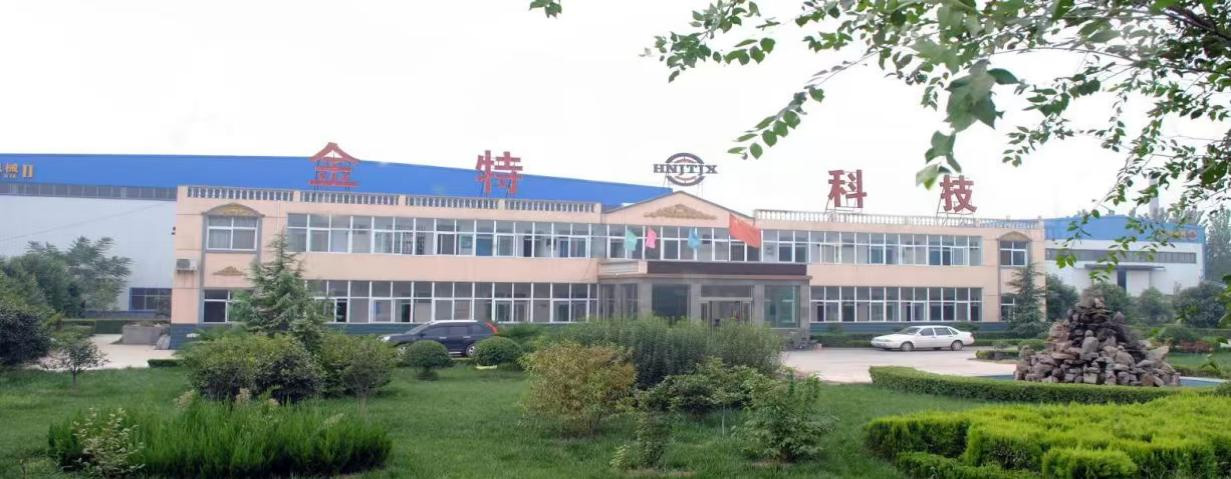
Officially established in 2018, Henan Jinte Technology Co., Ltd. has rapidly evolved into a mid-to-large-scale international enterprise. We specialize in the complete lifecycle of screening and conveying equipment, from initial CAD/CAXA 3D design to global export and installation.
Our products are engineered for environmental protection and energy efficiency, meeting international benchmarks that place us at the forefront of the vibration machinery industry. With a footprint in Iran, India, Central Africa, and across Asia, we bring localized engineering expertise to global projects.
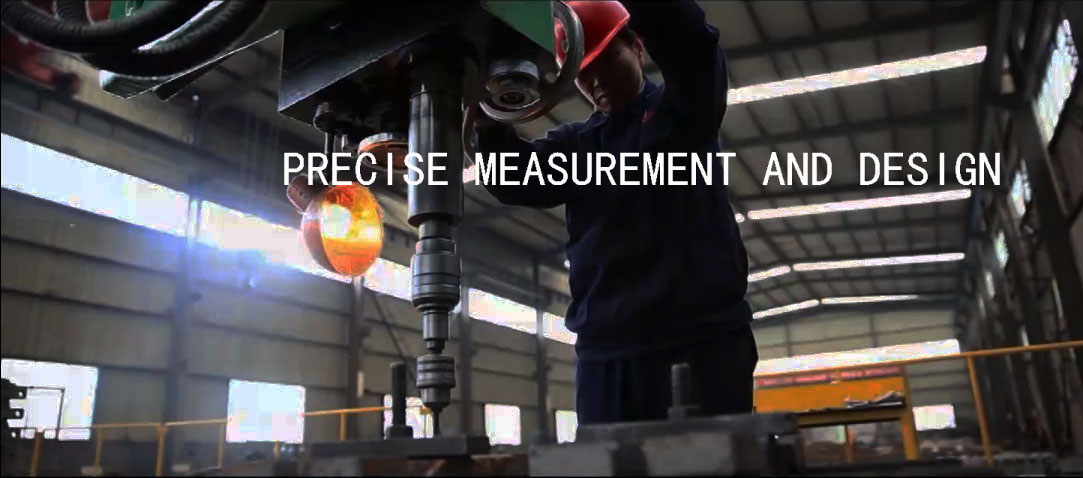
Our facility houses over 80 sets of processing equipment, including vertical CNC machining centers, automatic flame cutting machines, and CNC bending tools. We utilize automatic shot blasting to ensure superior surface preparation and longevity of our reciprocating feeders.
Using Finite Element Analysis (FEA), our engineering team simulates extreme load conditions. This allows us to optimize the plate thickness and eccentric drive mechanisms, ensuring our feeders can handle the impact of large-tonnage material drops without structural deformation.

Our network spans multiple continents, providing 24/7 technical support and localized spare parts availability.
In high-moisture iron ore mines, standard feeders often seize. Our Reciprocating Plate Feeders provide a positive-displacement action that "shears" sticky material, ensuring a consistent feed to primary jaw crushers.
Used extensively in coal bunkers, these feeders manage ROM (Run of Mine) coal with varying moisture levels. The adjustable stroke allows operators to match the exact caloric feed requirement of the boiler system.
Handling limestone and gypsum requires dust control and steady flow. Our feeders are designed with dust-tight seals and integrated chutes to meet modern environmental compliance standards (ESG).
Our commitment to excellence is reflected in our performance metrics: 98% Professional Ability rating and 100% Transport Safety record (excluding irresistible natural factors). We prioritize the secure packaging and stabilization of heavy machinery to ensure it arrives at your site ready for operation.
Modern screening and feeding machinery must reduce material waste. By optimizing the feed consistency, our machines improve the utilization efficiency of raw materials and reduce downstream energy waste by up to 15%.