
China has emerged as a dominant player in the global market for Auger Conveyors Hangers And Bearings. According to a report by the International Conveyor Association, China accounted for over 35% of the global market share in 2023. This surge is driven by rapid industrial growth and a focus on infrastructure development. As industries look for efficient material handling solutions, the demand for quality auger conveyors remains high.
Experts emphasize the importance of reliable hangers and bearings in enhancing the efficiency of auger systems. John Smith, a noted expert in conveyor technology, states, "The quality of auger conveyors hangers and bearings directly influences operational uptime." Companies are increasingly investing in advanced manufacturing techniques to improve product durability and performance. However, challenges remain in ensuring consistent quality amidst rising demand.
The global competition is fierce. Some manufacturers struggle to meet industry standards. The need for technical innovation and quality assurance is critical. As the landscape evolves, finding the right supplier of Auger Conveyors Hangers And Bearings becomes paramount for businesses worldwide. The future hinges on balancing cost, quality, and efficiency in this essential sector.
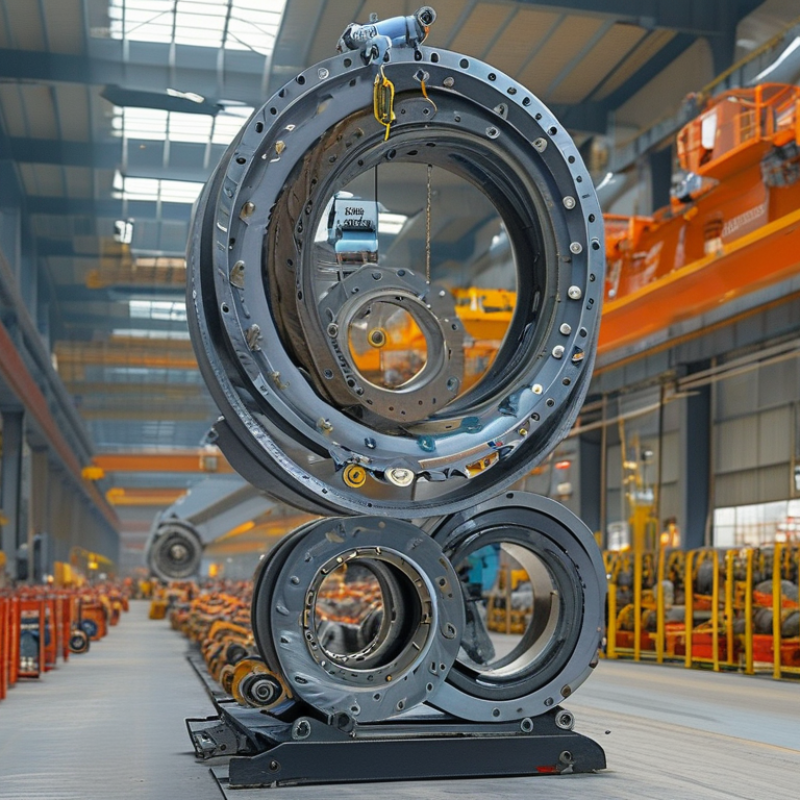
Auger conveyors play a critical role in many industries, especially in agriculture and food processing. In China, these machines have gained significant traction due to their efficiency in transporting bulk materials. The auger system is designed to move materials along a rotating screw within a tube, which is effective for moving grains, seeds, and powders. According to industry reports, China’s auger conveyor market was valued at approximately USD 150 million in 2022, with expectations to grow steadily in the coming years.
Chinese manufacturers are increasingly focusing on innovation and quality. Many companies are investing in advanced technology to improve the performance of auger conveyors. The use of high-quality materials for construction enhances durability. However, not all manufacturers adhere to the same standards. This inconsistency can lead to quality issues, raising concerns among global buyers. Roughly 30% of the products might not meet international quality benchmarks, which poses risks in operational efficiency when used abroad.
In addition to manufacturing advancements, the supply chain dynamics are shifting. Recent reports indicate that about 40% of Chinese auger conveyor parts are exported globally, highlighting their competitive advantage. Yet, some buyers express concerns regarding after-sales support and service. This is an area where improvements are needed to enhance trust and reliability in the market. Investing in reliable service mechanisms could significantly impact buyer satisfaction and loyalty in an increasingly competitive landscape.
Hangers are essential components in auger conveyors. They support the auger shaft and ensure smooth operation. The right hanger can reduce wear and tear, enhancing equipment longevity. According to industry reports, improper alignment caused by poor hangers can lead to significant operational issues. Data shows that up to 25% of conveyor failures are linked to hanger malfunctions.
Different types of hangers serve unique functions. Some provide vertical support, while others maintain lateral stability. Heavy-duty hangers are often used in high-capacity systems. They can handle more weight and reduce vibrations. Studies indicate that investing in high-quality hangers can improve efficiency by 15% to 20%. Regular inspections should be part of maintenance protocols.
Despite advancements, many operators overlook the importance of hanger selection. This can result in increased maintenance costs. Selecting the wrong type can lead to misalignment. A less-discussed aspect is the impact of environmental conditions on hanger performance. Temperature fluctuations can affect material durability. Consequently, it’s crucial to consider the operating environment during selection.
Bearings play a crucial role in the performance of auger conveyors. Their primary function is to reduce friction and support the rotating shaft. When functioning well, bearings enable the smooth movement of materials. However, when they wear out, they can cause significant disruptions. Delays and inefficiencies often result from faulty bearings. Hence, regular inspection is essential to maintain optimal performance.
Tips: Always check for signs of wear. Listen for unusual noises during operation. Regular lubrication can extend bearing life.
Additionally, the choice of bearings affects the entire conveyor system. Using low-quality bearings may lead to frequent breakdowns. The cost savings might seem appealing initially, but they lead to higher expenses in the long run. Proper selection and maintenance ensure that the system operates effectively and efficiently.
Remember, inadequate attention to bearings can lead to poor performance. Frequent adjustments and repairs will detract from overall productivity. Make it a habit to schedule routine maintenance checks for all components, especially bearings.
The global market for auger conveyor products continues to evolve, with China playing a pivotal role in this sector. Chinese manufacturers are adopting new technologies to enhance the efficiency of their auger conveyors. This trend is driven by a growing demand for reliable and durable equipment across various industries. In sectors such as agriculture and food processing, the focus is on creating equipment that can handle various materials, from grains to powdered substances.
Emerging global patterns indicate a shift towards automation and sustainability. Companies are seeking conveyor systems that not only boost productivity but also minimize environmental impact. The challenge lies in balancing traditional manufacturing methods with innovative approaches. While some manufacturers excel in quality, others face difficulties in meeting international standards. This inconsistency can affect the overall reputation of Chinese products abroad.
Moreover, buyers are increasingly looking for suppliers who prioritize transparency and communication. Trust is critical in international trade, and uncertainties about quality can lead to hesitation. Understanding market needs and adapting to them is essential for manufacturers aiming to gain a foothold in the global arena. The evolving landscape calls for continuous learning and improvement in production processes to meet buyer expectations.
When sourcing auger conveyor components from China, buyers need a solid approach. Understanding the local manufacturing landscape is essential. Many suppliers offer competitive pricing, but not all meet quality standards. Conducting thorough research can save potential headaches. Reach out to industry experts who understand the nuances of the market.
Establishing clear communication is crucial. Language barriers may complicate negotiations. Using simple, direct language can often help. It’s important to ask specific questions about materials and manufacturing processes. This ensures that you know what you are getting. Consider visiting factories for hands-on assessments. Personal interaction can reveal a lot about reliability.
Quality control should be a top priority. Implementing a stringent inspection process can help avoid defects. What works well for one supplier may not for another. It is wise to seek samples before placing large orders. This approach helps build trust and guarantees satisfaction. Always be prepared for hiccups in the supply chain. Adapting to unexpected changes can ensure smooth operations.
| Component Type | Material | Dimensions (mm) | Weight (kg) | Applications |
|---|---|---|---|---|
| Hanger | Steel | 50 x 100 | 0.5 | Agriculture, Food Processing |
| Bearing | Stainless Steel | 30 x 62 | 0.3 | Construction, Mining |
| Auger | Carbon Steel | 150 x 150 | 1.5 | Grain Handling, Bulk Material |
| Coupling | Aluminum | 40 x 80 | 0.2 | Mechanical Equipment |
: Auger conveyors are designed to transport bulk materials using a rotating screw within a tube.
They are crucial for efficiency in agriculture and food processing industries throughout the country.
About 30% of products may not meet international quality benchmarks, which raises operational risks.
Conduct thorough research and seek samples before placing large orders to avoid defects.
Use simple, direct language to overcome potential language barriers during negotiations.
There is a need for better service mechanisms to enhance trust and reliability in the market.
Visiting factories allows buyers to assess reliability and build a stronger relationship with suppliers.
Assuming all suppliers meet quality standards without conducting proper inspections can lead to issues.
Being adaptable to unexpected changes can help ensure smooth operations in sourcing.
Implementing a stringent quality control process during sourcing can help guarantee satisfaction.
The article provides a comprehensive overview of auger conveyors and their essential components, specifically focusing on Auger Conveyors Hangers and Bearings. It discusses the various types and functions of hangers, which play a crucial role in supporting the conveyor's structure and ensuring smooth operation. Furthermore, the importance of bearings is highlighted, as they significantly impact the performance and efficiency of auger conveyors by reducing friction and wear.
Additionally, the article analyzes global market trends for Chinese auger conveyor products, emphasizing the increasing demand for reliable components in various industries. It concludes with best practices for sourcing these components from China, guiding global buyers to navigate the complexities of procurement while ensuring high-quality standards. Overall, the article serves as an essential resource for understanding the dynamics of the auger conveyor market and the vital role of hangers and bearings therein.
